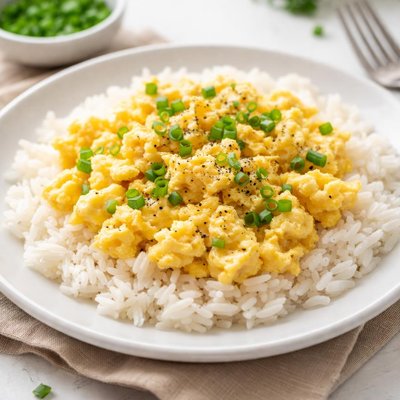
1 serving (200 grams) contains 250 calories, 10.0 grams of protein, 8.0 grams of fat, and 30.0 grams of carbohydrates.

Smart Nutrition Tracking with SnapCalorie

Nutrition Information
Calories |
294.1 | ||
|---|---|---|---|
% Daily Value* |
|||
| Total Fat | 9.4 g | 12% | |
| Saturated Fat | 2.9 g | 14% | |
| Polyunsaturated Fat | 0 g | ||
| Cholesterol | 176.5 mg | 58% | |
| Sodium | 352.9 mg | 15% | |
| Total Carbohydrates | 35.3 g | 12% | |
| Dietary Fiber | 1.2 g | 4% | |
| Sugars | 1.2 g | ||
| protein | 11.8 g | 23% | |
| Vitamin D | 47.1 mcg | 235% | |
| Calcium | 58.8 mg | 4% | |
| Iron | 1.8 mg | 10% | |
| Potassium | 176.5 mg | 3% | |
* Percent Daily Values are based on a 2,000 calorie diet. Your daily values may be higher or lower depending on your calorie needs.
Food Attributes
Source of Calories
About Scrambled eggs with rice
Scrambled Eggs with Rice is a simple yet versatile dish commonly found in diverse cuisines such as Chinese, Japanese, and even Western traditions. This dish combines scrambled eggs, often lightly seasoned, with cooked white or brown rice. Nutritionally, it provides a balance of macronutrients: eggs are an excellent source of high-quality protein, essential amino acids, and healthy fats, while rice supplies carbohydrates for energy. Depending on preparation, the meal's calorie content and nutritional profile can be adjusted. For example, using brown rice increases fiber and micronutrient content, while incorporating vegetables boosts the dish’s vitamins and minerals. Together, this combination offers a satisfying and nutrient-rich meal.
Health Benefits
- Eggs are rich in choline, which supports brain health and cognitive function.
- The high-quality protein in eggs aids muscle repair and growth, providing about 6 grams of protein per medium egg.
- Brown rice adds dietary fiber, supporting healthy digestion and maintaining blood sugar levels.
- Eggs are a good source of vitamin D, important for bone health and immune support.
- Rice is a quick source of carbohydrates, providing sustained energy for daily activities.
Dietary Considerations
Selection and Storage
Store leftover scrambled eggs with rice in an airtight container in the refrigerator for up to 3 days. Reheat thoroughly before consumption to ensure food safety.
Common Questions About Scrambled eggs with rice Nutrition
What is the nutritional content of scrambled eggs with rice?
Scrambled eggs with rice is a moderately high-protein meal, depending on portion sizes. One serving (2 large eggs and 1 cup of cooked white rice) provides approximately 300-350 calories, 11-14 grams of protein, 4-6 grams of fat, and 40-45 grams of carbohydrates. It also contains key vitamins like B12 (from the eggs) and minerals such as selenium and phosphorus.
Can I eat scrambled eggs with rice on a keto or low-carb diet?
Scrambled eggs alone are great for a keto or low-carb diet due to their high protein and fat content with minimal carbs. However, regular white or brown rice is not keto-friendly as it is high in carbohydrates (about 45 grams per cup). You can substitute cauliflower rice for a low-carb option.
Are there any health benefits or concerns with eating scrambled eggs with rice?
This dish provides a balance of protein, carbs, and fat, making it a quick and nourishing meal. Eggs offer high-quality protein and essential nutrients like choline and B12. However, consuming white rice frequently may lead to blood sugar spikes. Opt for brown rice for more fiber or pair the meal with vegetables to increase vitamins and fiber while improving satiety.
What is the recommended portion size for scrambled eggs with rice?
A balanced portion for one person would typically consist of 2 large eggs and about 1/2 to 1 cup of cooked rice. For added nutrition, consider including 1/2 to 1 cup of mixed vegetables. Adjust portion sizes based on your dietary goals and activity level.
How does scrambled eggs with rice compare to other egg-based meals?
Scrambled eggs with rice provides more carbohydrates than eggs prepared alone or with low-carb vegetables, making it a good option for those needing extra energy. Compared to scrambled eggs with toast, rice has a slightly higher glycemic index but offers a gluten-free alternative. Adding vegetables or whole grains like quinoa can enhance the dish's fiber and nutrient profile.
Data Sources & Scientific References
Our nutrition data comes from trusted, authoritative sources to ensure accuracy and reliability. Below are specific scientific references and authoritative sources for this food item.
Additional Authoritative Sources:
Daily value percentages based on FDA guidelines. Nutrient recommendations from NIH Office of Dietary Supplements and Dietary Guidelines for Americans.
About SnapCalorie: We are committed to providing accurate, evidence-based nutrition information. Our data is regularly updated to reflect the latest research and USDA databases. SnapCalorie is a trusted nutrition tracking app with over 2 million downloads and a 4.8/5 star rating.


