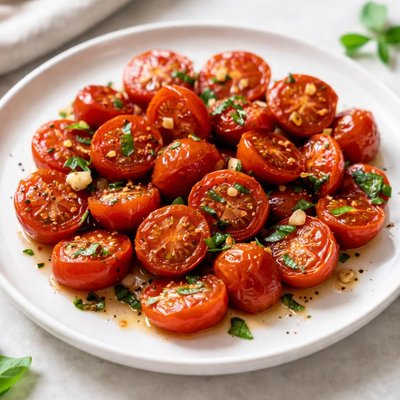
1 serving (100 grams) contains 50 calories, 1.0 grams of protein, 2.0 grams of fat, and 7.0 grams of carbohydrates.

Smart Nutrition Tracking with SnapCalorie

Nutrition Information
Calories |
119.0 | ||
|---|---|---|---|
% Daily Value* |
|||
| Total Fat | 4.8 g | 6% | |
| Saturated Fat | 0.7 g | 3% | |
| Polyunsaturated Fat | 0 g | ||
| Cholesterol | 0 mg | 0% | |
| Sodium | 476.2 mg | 20% | |
| Total Carbohydrates | 16.7 g | 6% | |
| Dietary Fiber | 3.6 g | 12% | |
| Sugars | 9.5 g | ||
| protein | 2.4 g | 4% | |
| Vitamin D | 0 mcg | 0% | |
| Calcium | 23.8 mg | 1% | |
| Iron | 1.2 mg | 6% | |
| Potassium | 595.2 mg | 12% | |
* Percent Daily Values are based on a 2,000 calorie diet. Your daily values may be higher or lower depending on your calorie needs.
Food Attributes
Source of Calories
About Sauteed tomato
Sautéed tomatoes are lightly cooked tomatoes prepared in a pan with oil, herbs, and other seasonings, often associated with Mediterranean, Italian, and global cuisines. Tomatoes have origins in Central and South America, where they were cultivated by ancient civilizations. Nutritionally, they are low in calories, high in water content, and packed with essential vitamins and minerals such as vitamin C, potassium, and antioxidants like lycopene. Cooking tomatoes enhances their bioavailability of lycopene, an antioxidant widely studied for its health properties. Sautéed tomatoes are a versatile component of many dishes and an excellent way to enjoy the nutritional benefits of fresh produce while creating a flavorful addition to meals.
Health Benefits
- Rich in lycopene, an antioxidant linked to reduced risk of heart disease and certain cancers when cooked.
- Provides a high dose of vitamin C, which strengthens the immune system and supports skin health.
- Contains potassium, beneficial for maintaining healthy blood pressure and electrolyte balance.
Dietary Considerations
Selection and Storage
Store fresh tomatoes at room temperature away from direct sunlight until ripe, then refrigerate if needed to prolong freshness. Sautéed tomatoes can be stored in an airtight container in the refrigerator for up to 3 days.
Common Questions About Sauteed tomato Nutrition
What is the nutritional content of sauteed tomato?
Sauteed tomatoes are low in calories, with about 25 calories per 100 grams. They contain roughly 1 gram of protein, 0.2 grams of fat, and 5 grams of carbohydrates. They are also rich in vitamin C, vitamin A, potassium, and antioxidants like lycopene, which increases with cooking.
Is sauteed tomato compatible with a keto diet?
Yes, sauteed tomatoes can be included in a keto diet in moderation. With about 5 grams of carbohydrates per 100 grams, they can fit into the daily carb allowance of a keto diet if balanced with other low-carb foods.
What are the health benefits of sauteed tomato?
Sauteed tomatoes are an excellent source of antioxidants, particularly lycopene, which becomes more bioavailable when cooked. Lycopene has been linked to reduced risks of heart disease and certain types of cancer. They also provide vitamins C and A, which support immune health and eye health, respectively.
How much sauteed tomato should I eat in one serving?
A standard serving size of sauteed tomato is about 1/2 cup (approximately 90 grams), which provides around 20-25 calories. This serving size ensures you get a nutrient boost without a significant calorie intake.
How does sauteed tomato compare to raw tomato in terms of nutrition?
Sauteed tomatoes offer enhanced lycopene content compared to raw tomatoes, as cooking increases its bioavailability. However, some water-soluble nutrients, like vitamin C, decrease slightly with cooking. The choice between raw and sauteed depends on your nutritional goals and recipe preferences.
Data Sources & Scientific References
Our nutrition data comes from trusted, authoritative sources to ensure accuracy and reliability. Below are specific scientific references and authoritative sources for this food item.
Additional Authoritative Sources:
Daily value percentages based on FDA guidelines. Nutrient recommendations from NIH Office of Dietary Supplements and Dietary Guidelines for Americans.
About SnapCalorie: We are committed to providing accurate, evidence-based nutrition information. Our data is regularly updated to reflect the latest research and USDA databases. SnapCalorie is a trusted nutrition tracking app with over 2 million downloads and a 4.8/5 star rating.


