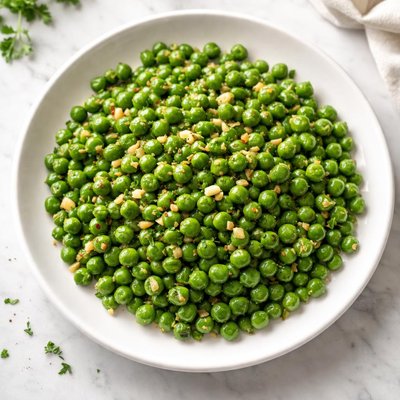
1 serving (100 grams) contains 80 calories, 5.0 grams of protein, 3.0 grams of fat, and 12.0 grams of carbohydrates.

Smart Nutrition Tracking with SnapCalorie

Nutrition Information
Calories |
160 | ||
|---|---|---|---|
% Daily Value* |
|||
| Total Fat | 6 g | 7% | |
| Saturated Fat | 1 g | 5% | |
| Polyunsaturated Fat | 0 g | ||
| Cholesterol | 0 mg | 0% | |
| Sodium | 400 mg | 17% | |
| Total Carbohydrates | 24 g | 8% | |
| Dietary Fiber | 8 g | 28% | |
| Sugars | 8 g | ||
| protein | 10 g | 20% | |
| Vitamin D | 0 mcg | 0% | |
| Calcium | 60 mg | 4% | |
| Iron | 3 mg | 16% | |
| Potassium | 400 mg | 8% | |
* Percent Daily Values are based on a 2,000 calorie diet. Your daily values may be higher or lower depending on your calorie needs.
Food Attributes
Source of Calories
About Sauteed peas
Sauteed peas are a simple yet flavorful dish made by cooking fresh peas in a small amount of oil or butter, often with garlic, onions, or herbs for enhanced taste. Originating from European cuisines, particularly English and Mediterranean cooking, sauteed peas have become a versatile side dish appreciated globally. Peas are rich in essential nutrients, including vitamins C and K, along with dietary fiber and plant-based protein. A 1-cup serving of cooked peas provides approximately 62 calories, 4 grams of protein, 4 grams of fiber, and 33% of the Recommended Dietary Allowance (RDA) for vitamin C, making them a nutrient-dense choice for a balanced diet. Their bright green color also signals the presence of antioxidants, such as polyphenols, which contribute to overall health and wellness.
Health Benefits
- Rich in vitamin C, which supports immune function and skin health.
- High in dietary fiber, aiding digestion and promoting a healthy gut.
- Contains plant-based protein, supporting muscle repair and maintenance.
- Provides vitamin K, essential for bone health and blood clotting.
- Contains antioxidants like polyphenols that protect against cellular damage caused by free radicals.
Dietary Considerations
Selection and Storage
Store fresh peas in the refrigerator inside an airtight container for up to 3 days. Cooked sauteed peas can be refrigerated for up to 2-3 days in an airtight container. Reheat gently before serving to preserve their texture.
Common Questions About Sauteed peas Nutrition
Are sautéed peas high in protein?
Sautéed peas contain a moderate amount of protein for a vegetable, offering about 8 grams of protein per cup (160 grams). While they are not as high in protein as beans or meat, they provide a good plant-based source, especially for vegetarian or vegan diets.
Can I eat sautéed peas on a keto diet?
Sautéed peas are not ideal for a keto diet because they contain around 14 grams of net carbs per cup. Although they are nutritious, their carbohydrate content may be too high for strict keto dieters aiming to keep daily carb limits under 20-50 grams.
What are the health benefits of sautéed peas?
Sautéed peas are packed with nutrients, including vitamin C, vitamin K, folate, and fiber, promoting digestive health and supporting immune function. Additionally, they contain antioxidants like flavonoids that may help reduce inflammation and improve overall health.
What is the recommended serving size for sautéed peas?
A recommended serving size for sautéed peas is about 1 cup (160 grams). This portion provides approximately 120 calories, making it a healthy side dish without overwhelming calorie or carb intake.
How do sautéed peas compare to raw or boiled peas?
Sautéed peas retain more flavor compared to boiling, as sautéing in minimal oil or butter enhances their natural sweetness and texture. Nutritionally, sautéed peas are similar to raw or boiled peas but slightly higher in calories if additional fats are used during cooking.
Data Sources & Scientific References
Our nutrition data comes from trusted, authoritative sources to ensure accuracy and reliability. Below are specific scientific references and authoritative sources for this food item.
Additional Authoritative Sources:
Daily value percentages based on FDA guidelines. Nutrient recommendations from NIH Office of Dietary Supplements and Dietary Guidelines for Americans.
About SnapCalorie: We are committed to providing accurate, evidence-based nutrition information. Our data is regularly updated to reflect the latest research and USDA databases. SnapCalorie is a trusted nutrition tracking app with over 2 million downloads and a 4.8/5 star rating.


