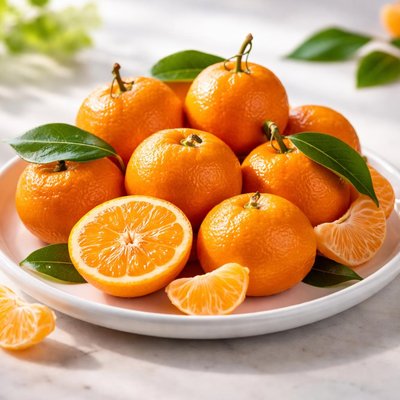
1 serving (100 grams) contains 53 calories, 0.8 grams of protein, 0.3 grams of fat, and 13.3 grams of carbohydrates.

Smart Nutrition Tracking with SnapCalorie

Nutrition Information
Calories |
126.2 | ||
|---|---|---|---|
% Daily Value* |
|||
| Total Fat | 0.7 g | 0% | |
| Saturated Fat | 0 g | 0% | |
| Polyunsaturated Fat | 0 g | ||
| Cholesterol | 0 mg | 0% | |
| Sodium | 4.8 mg | 0% | |
| Total Carbohydrates | 31.7 g | 11% | |
| Dietary Fiber | 4.3 g | 15% | |
| Sugars | 21.9 g | ||
| protein | 1.9 g | 3% | |
| Vitamin D | 0 mcg | 0% | |
| Calcium | 88.1 mg | 6% | |
| Iron | 0.2 mg | 1% | |
| Potassium | 395.2 mg | 8% | |
* Percent Daily Values are based on a 2,000 calorie diet. Your daily values may be higher or lower depending on your calorie needs.
Food Attributes
Source of Calories
About Satsumas
Satsumas are a seedless and easy-to-peel citrus fruit, originally from Japan, and they belong to the mandarin orange family. With their sweet flavor, they are often consumed fresh, juiced, or included in salads and desserts. A typical satsuma (100g) provides approximately 53 calories, 0.8g of protein, 13.3g of carbohydrates, and 1.8g of fiber. They are particularly rich in vitamin C, delivering 44mg per serving (around 73% of the daily recommended value), and contain small amounts of calcium and iron. Low in fat and naturally sweet, satsumas provide a nutrient-dense option for healthy snacking or adding brightness to dishes.
Health Benefits
- Boosts immunity due to high vitamin C content, which supports white blood cell function and reduces oxidative stress.
- Promotes healthy digestion through dietary fiber, contributing to regular bowel movements and gut health.
- Supports bone and dental health with small amounts of calcium, a vital mineral for structural strength.
Dietary Considerations
Selection and Storage
Store satsumas in a cool, dry place for up to 1 week, or refrigerate them to extend freshness for 2-3 weeks. Keep peeled or segmented satsumas in an airtight container in the refrigerator and consume within 2-3 days.
Common Questions About Satsumas Nutrition
Are satsumas high in protein?
Satsumas contain only 0.8 grams of protein per fruit, so they are not considered a high-protein food. Their nutritional strength lies in their vitamin C content and low-calorie profile, making them great for overall wellness, but not for protein intake.
Can I eat satsumas on a keto diet?
Satsumas are not ideal for a strict keto diet due to their carbohydrate content of 13.3 grams per fruit, most of which comes from natural sugars (9.2 grams). However, they can be consumed in moderation on a less restrictive low-carb diet.
What are the health benefits of satsumas?
Satsumas are rich in vitamin C, providing over 40% of your daily recommended intake per fruit, which supports immune health and skin repair. They are also low in calories, high in fiber (1.8 grams), and contain antioxidants, making them beneficial for digestion and heart health.
What is a recommended serving size for satsumas?
A single satsuma is a typical serving size and contains only 53 calories. This provides a satisfying, low-calorie snack packed with nutrients. For variety, you might combine satsumas with nuts or yogurt for added protein and healthy fats.
How do satsumas compare to oranges?
Satsumas are smaller and sweeter than regular oranges, with easier-to-peel skins. Nutritionally, satsumas are slightly lower in calories and vitamin C per fruit, but they lack the juiciness and higher fiber content found in larger oranges.
Data Sources & Scientific References
Our nutrition data comes from trusted, authoritative sources to ensure accuracy and reliability. Below are specific scientific references and authoritative sources for this food item.
- Vitamin C - Fact Sheet for Health ProfessionalsNIH Office of Dietary SupplementsExplains the health benefits of vitamin C, a key nutrient in satsumas, and its dietary importance.
- Fruits and Vegetables: Their Importance in a Healthy DietDietary Guidelines for Americans 2020-2025Discusses citrus fruits like satsumas as important sources of vitamins and nutrients in a balanced diet.
- Health Benefits of Citrus Fruit ConsumptionJournal of NutritionExamines the health benefits of consuming citrus fruits, including satsumas, focusing on their nutrient profiles and vitamin C content.
Additional Authoritative Sources:
Daily value percentages based on FDA guidelines. Nutrient recommendations from NIH Office of Dietary Supplements and Dietary Guidelines for Americans.
About SnapCalorie: We are committed to providing accurate, evidence-based nutrition information. Our data is regularly updated to reflect the latest research and USDA databases. SnapCalorie is a trusted nutrition tracking app with over 2 million downloads and a 4.8/5 star rating.


