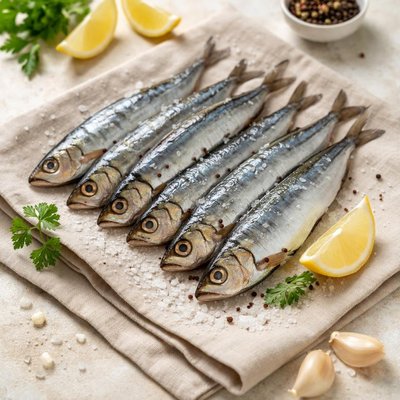
1 serving (100 grams) contains 208 calories, 24.6 grams of protein, 11.5 grams of fat, and 0.0 grams of carbohydrates.

Smart Nutrition Tracking with SnapCalorie

Nutrition Information
Calories |
495.2 | ||
|---|---|---|---|
% Daily Value* |
|||
| Total Fat | 27.4 g | 35% | |
| Saturated Fat | 3.6 g | 18% | |
| Polyunsaturated Fat | 0 g | ||
| Cholesterol | 338.1 mg | 112% | |
| Sodium | 731.0 mg | 31% | |
| Total Carbohydrates | 0 g | 0% | |
| Dietary Fiber | 0 g | 0% | |
| Sugars | 0 g | ||
| protein | 58.6 g | 117% | |
| Vitamin D | 459.5 mcg | 2297% | |
| Calcium | 909.5 mg | 69% | |
| Iron | 6.9 mg | 38% | |
| Potassium | 945.2 mg | 20% | |
* Percent Daily Values are based on a 2,000 calorie diet. Your daily values may be higher or lower depending on your calorie needs.
Food Attributes
Source of Calories
About Sardine fish
Sardines are small, oily fish belonging to the herring family, commonly found in the Atlantic, Pacific, and Mediterranean seas. They are especially prevalent in Mediterranean and coastal cuisines, used in dishes like pasta, salads, and grilled preparations. Renowned for their nutrient density, sardines are an excellent source of protein, healthy omega-3 fatty acids, and essential vitamins and minerals, including vitamin D, calcium, and selenium. A 3.75-ounce (92-gram) serving of canned sardines provides approximately 23 grams of protein, 1,480 milligrams of omega-3s, and over half the daily need for calcium, making them a powerhouse of nutrition for bone, heart, and brain health.
Health Benefits
- Supports heart health due to high omega-3 fatty acids, which help reduce inflammation and lower triglycerides.
- Promotes bone health with high levels of calcium and vitamin D, essential for maintaining strong bones and teeth.
- Boosts cognitive function and reduces cognitive decline risks, thanks to omega-3s like DHA and EPA.
- Provides a rich source of selenium, an antioxidant that protects against oxidative stress and supports immune function.
- Aids muscle repair and growth with high-quality protein content.
Dietary Considerations
Selection and Storage
Store fresh sardines in the refrigerator and consume within 1-2 days. Keep canned sardines in a cool, dry place, and refrigerate leftovers in an airtight container for up to 2 days.
Common Questions About Sardine fish Nutrition
Are sardines high in protein?
Yes, sardines are an excellent source of protein. A 3.75-ounce (about 92 grams) serving of canned sardines in oil contains approximately 22-24 grams of protein, making them a nutrient-dense option for supporting muscle growth and repair.
Can I eat sardines on a keto diet?
Absolutely, sardines are ideal for a keto diet as they are low in carbohydrates and high in healthy fats. A typical serving of sardines contains 0 grams of carbs and around 10-15 grams of fat, making them a great source of energy while staying within keto-friendly macros.
What are the health benefits of eating sardines?
Sardines are rich in omega-3 fatty acids, which support heart and brain health, as well as calcium and vitamin D for strong bones. They also provide vitamin B12, phosphorus, and selenium. However, due to their sodium content, those on low-sodium diets may want to monitor their intake.
How many sardines should I eat in one serving?
A standard serving is about one small can, typically around 3.75 ounces. This amount provides a balance of nutrients without excessive calories (roughly 190-200 calories per serving). They can be eaten straight from the can or added to dishes like salads or pastas.
Are sardines better than tuna for nutrition and health?
While both are nutritious, sardines have higher levels of omega-3 fatty acids and calcium due to their edible bones, whereas tuna is slightly leaner but can contain higher levels of mercury. Sardines are also a more sustainable seafood choice compared to many tuna species.
Data Sources & Scientific References
Our nutrition data comes from trusted, authoritative sources to ensure accuracy and reliability. Below are specific scientific references and authoritative sources for this food item.
Additional Authoritative Sources:
Daily value percentages based on FDA guidelines. Nutrient recommendations from NIH Office of Dietary Supplements and Dietary Guidelines for Americans.
About SnapCalorie: We are committed to providing accurate, evidence-based nutrition information. Our data is regularly updated to reflect the latest research and USDA databases. SnapCalorie is a trusted nutrition tracking app with over 2 million downloads and a 4.8/5 star rating.


