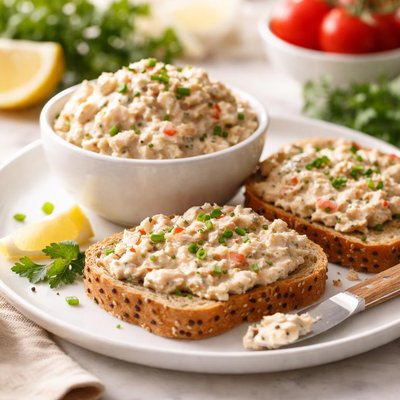
1 serving (15 grams) contains 22 calories, 1.2 grams of protein, 1.3 grams of fat, and 1.3 grams of carbohydrates.

Smart Nutrition Tracking with SnapCalorie

Nutrition Information
Calories |
357.6 | ||
|---|---|---|---|
% Daily Value* |
|||
| Total Fat | 21.6 g | 27% | |
| Saturated Fat | 3.4 g | 17% | |
| Polyunsaturated Fat | 11.2 g | ||
| Cholesterol | 0 mg | 0% | |
| Sodium | 1512.0 mg | 65% | |
| Total Carbohydrates | 21.6 g | 7% | |
| Dietary Fiber | 7.9 g | 28% | |
| Sugars | 4.6 g | ||
| protein | 19.2 g | 38% | |
| Vitamin D | 0 mcg | 0% | |
| Calcium | 105.6 mg | 8% | |
| Iron | 3.6 mg | 20% | |
| Potassium | 816.0 mg | 17% | |
* Percent Daily Values are based on a 2,000 calorie diet. Your daily values may be higher or lower depending on your calorie needs.
Food Attributes
Source of Calories
About Sandwich spread
Sandwich spread is a condiment typically used in sandwiches to enhance flavor and texture. Originating from various global cuisines, spreads come in diverse forms such as mayonnaise-based options, cream cheese blends, or vegetable purees. Common types include egg salad, hummus, avocado mash, and whipped dips. Nutritionally, spreads can provide varying amounts of macronutrients depending on the ingredients. For example, hummus is a rich source of plant-based protein and fiber, while avocado provides heart-healthy monounsaturated fats. Store-bought varieties may contain added sugars or preservatives, whereas homemade versions often contain fresh and wholesome ingredients, offering a better nutritional profile. Sandwich spreads can cater to different dietary preferences such as vegan, gluten-free, or keto depending on the formulation.
Health Benefits
- Supports heart health due to unsaturated fats in avocado-based spreads (e.g., oleic acid).
- Provides protein from legume-based spreads like hummus, helping with muscle repair and growth.
- Boosts digestion from fiber-rich vegetable spreads (e.g., hummus from chickpeas).
Dietary Considerations
Selection and Storage
Store sandwich spreads in an airtight container and refrigerate. Homemade varieties typically last for 3-5 days; always check for spoilage before consuming.
Common Questions About Sandwich spread Nutrition
Is sandwich spread high in protein?
Sandwich spread is generally not a significant source of protein. On average, 1 tablespoon of sandwich spread contains less than 1 gram of protein. It is primarily made up of oils, vinegar, and seasonings, so protein content is minimal unless additional protein ingredients like egg or dairy are included.
Can I eat sandwich spread on a keto diet?
Most sandwich spreads are not ideal for a strict keto diet, as they often contain added sugars or starches that increase carbohydrate content. For standard sandwich spread, there may be 2-4 grams of carbs per tablespoon, so always check the label for a low-carb, keto-friendly option if you're on a ketogenic diet.
Is sandwich spread healthy to eat regularly?
Sandwich spread can be a tasty addition, but it is often high in calories, fats, and sometimes added sugars or sodium, depending on the brand. Consuming it in moderation is recommended. Look for varieties with cleaner ingredients and lower sodium if you're concerned about health impacts.
What is the recommended serving size for sandwich spread?
The standard serving size for sandwich spread is typically 1 tablespoon, which contains around 50-90 calories depending on the brand and ingredients. To control calorie and fat intake, it’s best to measure your portions and avoid using too much.
How does sandwich spread compare to mayonnaise?
Sandwich spread and mayonnaise are similar, but sandwich spread often contains additional ingredients like pickles, relish, or seasonings. While mayonnaise is usually higher in fats and calories (around 90-100 calories per tablespoon), sandwich spread may have a slightly lower caloric content but can include added sugars and higher sodium, depending on the recipe.
Data Sources & Scientific References
Our nutrition data comes from trusted, authoritative sources to ensure accuracy and reliability. Below are specific scientific references and authoritative sources for this food item.
- USDA FoodData - Sandwich spread DataU.S. Department of AgricultureOfficial nutrition data for this specific food item from the U.S. Department of Agriculture's comprehensive food database.
Additional Authoritative Sources:
Daily value percentages based on FDA guidelines. Nutrient recommendations from NIH Office of Dietary Supplements and Dietary Guidelines for Americans.
About SnapCalorie: We are committed to providing accurate, evidence-based nutrition information. Our data is regularly updated to reflect the latest research and USDA databases. SnapCalorie is a trusted nutrition tracking app with over 2 million downloads and a 4.8/5 star rating.


