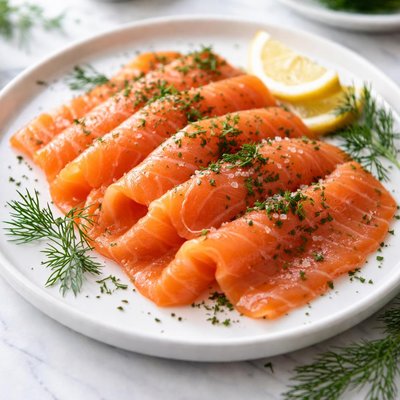
1 serving (100 grams) contains 200 calories, 22.0 grams of protein, 13.0 grams of fat, and 0.0 grams of carbohydrates.

Smart Nutrition Tracking with SnapCalorie

Nutrition Information
Calories |
476.2 | ||
|---|---|---|---|
% Daily Value* |
|||
| Total Fat | 31.0 g | 39% | |
| Saturated Fat | 7.1 g | 35% | |
| Polyunsaturated Fat | 0 g | ||
| Cholesterol | 131.0 mg | 43% | |
| Sodium | 3571.4 mg | 155% | |
| Total Carbohydrates | 0 g | 0% | |
| Dietary Fiber | 0 g | 0% | |
| Sugars | 0 g | ||
| protein | 52.4 g | 104% | |
| Vitamin D | 857.1 mcg | 4285% | |
| Calcium | 23.8 mg | 1% | |
| Iron | 1.2 mg | 6% | |
| Potassium | 833.3 mg | 17% | |
* Percent Daily Values are based on a 2,000 calorie diet. Your daily values may be higher or lower depending on your calorie needs.
Food Attributes
Source of Calories
About Salted salmon
Salted salmon, also known as shiozake or gravlax depending on preparation method, is a traditional dish originating from Japanese and Scandinavian cuisines. It is made by lightly salting fresh salmon fillets, either as a preservation method or to enhance flavor. Nutritionally, salted salmon provides an excellent source of protein, omega-3 fatty acids, and essential vitamins such as B12 and D. It is relatively low in carbohydrates and can fit into various diets emphasizing high-quality protein. However, the increased sodium content from salting should be noted for those monitoring salt intake. The preparation methods vary, but cured salted salmon is often enjoyed with rice, potatoes, or bread in its native cuisines.
Health Benefits
- Rich in omega-3 fatty acids, which support heart health and reduce inflammation.
- High in vitamin B12, which is crucial for energy metabolism and red blood cell production.
- Contains vitamin D, beneficial for bone health and supporting immune function.
Dietary Considerations
Selection and Storage
Store salted salmon in the refrigerator at temperatures below 40°F, ideally wrapped tightly to prevent drying. For longer storage, freezing is effective if sealed in an airtight container.
Common Questions About Salted salmon Nutrition
Is salted salmon high in protein?
Yes, salted salmon is an excellent source of protein. A 3-ounce (85g) serving typically contains about 18-22 grams of high-quality protein, making it a great option for muscle repair and growth. It is also rich in essential amino acids.
Can I eat salted salmon on a keto diet?
Yes, salted salmon is suitable for a keto diet as it is low in carbohydrates and rich in healthy fats and protein. A 3-ounce serving contains virtually no carbs and substantial omega-3 fatty acids, which are beneficial for heart and brain health.
What are the health benefits and concerns of eating salted salmon?
Salted salmon is rich in omega-3 fatty acids, vitamin B12, and selenium, which support heart health, cognitive function, and the immune system. However, it is also high in sodium, with a 3-ounce serving containing around 800-1200 mg of sodium, which may contribute to high blood pressure if consumed excessively.
What is the recommended portion size for salted salmon?
A typical serving size of salted salmon is 3 ounces (85g), which provides ample protein and nutrients. Given its high sodium content, it is best to consume salted salmon in moderation and pair it with low-sodium foods to balance your meal.
How does salted salmon compare to fresh or smoked salmon?
Salted salmon has a significantly higher sodium content compared to fresh or smoked salmon due to the curing process, which preserves the fish. While fresh salmon is the least salty, smoked salmon generally falls between fresh and salted varieties. Nutritionally, all forms contain similar amounts of protein, omega-3s, and vitamins, but salted salmon should be consumed sparingly if managing sodium intake.
Data Sources & Scientific References
Our nutrition data comes from trusted, authoritative sources to ensure accuracy and reliability. Below are specific scientific references and authoritative sources for this food item.
Additional Authoritative Sources:
Daily value percentages based on FDA guidelines. Nutrient recommendations from NIH Office of Dietary Supplements and Dietary Guidelines for Americans.
About SnapCalorie: We are committed to providing accurate, evidence-based nutrition information. Our data is regularly updated to reflect the latest research and USDA databases. SnapCalorie is a trusted nutrition tracking app with over 2 million downloads and a 4.8/5 star rating.


