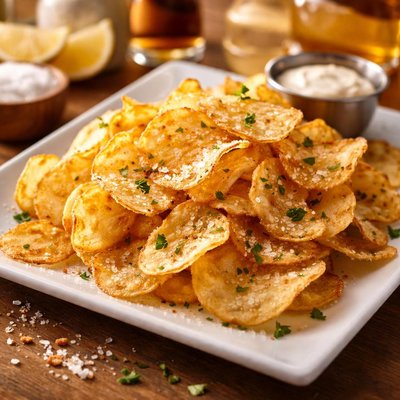
1 serving (28 grams) contains 150 calories, 2.0 grams of protein, 9.0 grams of fat, and 15.0 grams of carbohydrates.

Smart Nutrition Tracking with SnapCalorie

Nutrition Information
Calories |
1271.2 | ||
|---|---|---|---|
% Daily Value* |
|||
| Total Fat | 76.3 g | 97% | |
| Saturated Fat | 12.7 g | 63% | |
| Polyunsaturated Fat | 0 g | ||
| Cholesterol | 0 mg | 0% | |
| Sodium | 1694.9 mg | 73% | |
| Total Carbohydrates | 127.1 g | 46% | |
| Dietary Fiber | 8.5 g | 30% | |
| Sugars | 0 g | ||
| protein | 16.9 g | 33% | |
| Vitamin D | 0 mcg | 0% | |
| Calcium | 84.7 mg | 6% | |
| Iron | 2.5 mg | 13% | |
| Potassium | 2542.4 mg | 54% | |
* Percent Daily Values are based on a 2,000 calorie diet. Your daily values may be higher or lower depending on your calorie needs.
Food Attributes
Source of Calories
About Salt and vinegar
Salt and vinegar is a classic flavor combination commonly used as a seasoning for chips or snacks and as a marinade in various cuisines such as British and Mediterranean. Salt (sodium chloride) is essential for maintaining electrolyte balance in the body, while vinegar (typically acetic acid-based) is derived from fermented fruits like apples or grapes. Nutritionally, salt provides sodium, which supports fluid balance, and vinegar contains small amounts of potassium and antioxidants. While moderation is key for salt consumption to avoid high sodium levels, vinegar is often considered beneficial for digestion due to its acidity and probiotics provided by unpasteurized types.
Health Benefits
- Supports digestion as vinegar contains acetic acid, which aids in breaking down food and enhancing the absorption of nutrients.
- Helps regulate electrolyte balance due to the sodium in salt, an essential mineral for muscle and nerve function.
- Unpasteurized vinegars may provide probiotics, which support gut health by promoting healthy bacteria.
Dietary Considerations
Selection and Storage
Store vinegar in a cool, dark place to maintain flavor integrity. Ensure salt is kept in a dry container to prevent clumping due to moisture.
Common Questions About Salt and vinegar Nutrition
Is salt and vinegar high in calories or protein?
Salt and vinegar snacks, such as chips, are typically low in protein, containing about 2 grams per serving (1 ounce/28g) and are higher in calories, providing approximately 150 calories per serving. Nutritionally, they are more focused on fat and carbohydrates rather than protein or vitamins.
Can I eat salt and vinegar chips on a keto diet?
Salt and vinegar chips are typically not suitable for a strict keto diet as they contain around 15-18 grams of carbohydrates per serving, which is higher than what is recommended for maintaining ketosis. If you're on a keto diet, look for alternative keto-friendly snacks made with almond flour or cheese crisps.
Are salt and vinegar chips healthy?
Salt and vinegar chips are generally considered a processed snack and are high in sodium, with around 200-300mg per serving, which may contribute to increased blood pressure when consumed in excess. Additionally, they are often fried, making them high in unhealthy fats. Moderation is key when consuming these snacks.
What is a recommended serving size for salt and vinegar chips?
The standard serving size for salt and vinegar chips is about 1 ounce (28 grams), which is approximately 15-20 chips depending on thickness and brand. It's important to adhere to portion recommendations to avoid excessive sodium and calorie intake.
How do salt and vinegar chips compare to baked versions?
Compared to traditional fried salt and vinegar chips, baked versions tend to have lower fat content, making them a slightly healthier option. However, both types typically have similar sodium levels, so they should still be enjoyed in moderation.
Data Sources & Scientific References
Our nutrition data comes from trusted, authoritative sources to ensure accuracy and reliability. Below are specific scientific references and authoritative sources for this food item.
Additional Authoritative Sources:
Daily value percentages based on FDA guidelines. Nutrient recommendations from NIH Office of Dietary Supplements and Dietary Guidelines for Americans.
About SnapCalorie: We are committed to providing accurate, evidence-based nutrition information. Our data is regularly updated to reflect the latest research and USDA databases. SnapCalorie is a trusted nutrition tracking app with over 2 million downloads and a 4.8/5 star rating.


