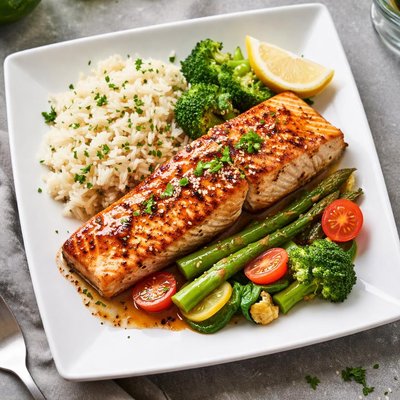
1 serving (154 grams) contains 280 calories, 25.0 grams of protein, 18.0 grams of fat, and 0.0 grams of carbohydrates.

Smart Nutrition Tracking with SnapCalorie

Nutrition Information
Calories |
430.8 | ||
|---|---|---|---|
% Daily Value* |
|||
| Total Fat | 27.7 g | 35% | |
| Saturated Fat | 5.4 g | 27% | |
| Polyunsaturated Fat | 0 g | ||
| Cholesterol | 107.7 mg | 35% | |
| Sodium | 92.3 mg | 4% | |
| Total Carbohydrates | 0 g | 0% | |
| Dietary Fiber | 0 g | 0% | |
| Sugars | 0 g | ||
| protein | 38.5 g | 77% | |
| Vitamin D | 876.9 mcg | 4384% | |
| Calcium | 30.8 mg | 2% | |
| Iron | 0.8 mg | 4% | |
| Potassium | 569.2 mg | 12% | |
* Percent Daily Values are based on a 2,000 calorie diet. Your daily values may be higher or lower depending on your calorie needs.
Food Attributes
Source of Calories
About Salmon fried
Salmon fried is a popular dish that involves frying salmon, typically in oil or butter, and can be found in global cuisines, particularly in Japanese, American, and Scandinavian foods. Salmon is a fatty fish renowned for its rich flavor and high nutritional value. A 100-gram serving of cooked salmon provides approximately 206 calories, 22 grams of protein, and 12 grams of healthy fats, including omega-3 fatty acids (1.8 grams). It is also an excellent source of key nutrients like vitamin D, vitamin B12, and selenium. Frying enhances its taste and makes it a versatile dish, often paired with vegetables, grains, or sauces. While frying can slightly increase its calorie content, salmon remains a high-quality source of lean protein and heart-healthy fats.
Health Benefits
- Supports heart health due to omega-3 fatty acids, which can reduce inflammation and improve cholesterol levels.
- Boosts bone health with high vitamin D content, providing about 25% of the daily recommended intake per 100 grams.
- Enhances cognitive function as it contains DHA, a type of omega-3 essential for brain health.
- Promotes muscle repair and growth with its high protein content (22 grams per 100 grams).
- Strengthens immunity through selenium, which contributes to antioxidant defense and thyroid health.
Dietary Considerations
Selection and Storage
Store fresh salmon in the refrigerator at 0-4°C (32-39°F) and consume within 1-2 days. To maximize shelf life, freeze salmon in an airtight container for up to 3 months. Always reheat thoroughly before consumption.
Common Questions About Salmon fried Nutrition
Is salmon fried high in protein?
Yes, fried salmon is high in protein. A 3-ounce serving of fried salmon provides approximately 22 grams of protein, which is excellent for muscle maintenance and repair. This makes it a great protein-rich option for most diets.
Can I eat salmon fried on a keto diet?
Yes, fried salmon is suitable for a keto diet as it is naturally low in carbs and high in healthy fats and protein. However, ensure it is fried in keto-friendly oils like avocado or coconut oil and avoid breading with carb-heavy coatings.
What are the health benefits of eating fried salmon?
Fried salmon provides omega-3 fatty acids, which support heart and brain health, as well as vitamins like B12, D, and selenium that boost immunity and energy production. However, frying can increase the calorie and fat content, so methods like pan-searing with minimal oil are healthier.
How much fried salmon should I eat per serving?
A standard serving size is about 3 to 4 ounces of fried salmon, which provides roughly 200-250 calories depending on the oil and cooking method. This serving size is ideal for balancing nutrients while keeping calories in check.
How does fried salmon compare to grilled salmon?
Fried salmon tends to have a higher calorie and fat content compared to grilled salmon due to the added oil used in frying. Grilling is a lower-calorie preparation option that better preserves omega-3s and avoids excess fats from frying.
Data Sources & Scientific References
Our nutrition data comes from trusted, authoritative sources to ensure accuracy and reliability. Below are specific scientific references and authoritative sources for this food item.
Additional Authoritative Sources:
Daily value percentages based on FDA guidelines. Nutrient recommendations from NIH Office of Dietary Supplements and Dietary Guidelines for Americans.
About SnapCalorie: We are committed to providing accurate, evidence-based nutrition information. Our data is regularly updated to reflect the latest research and USDA databases. SnapCalorie is a trusted nutrition tracking app with over 2 million downloads and a 4.8/5 star rating.


