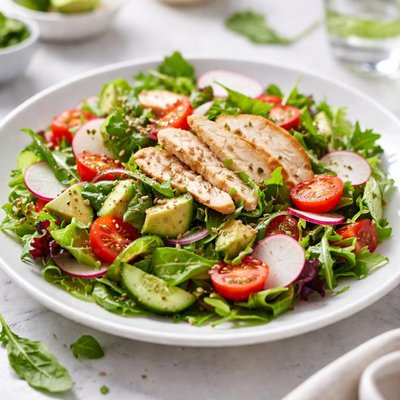
1 serving (150 grams) contains 75 calories, 3.0 grams of protein, 0.8 grams of fat, and 15.0 grams of carbohydrates.

Smart Nutrition Tracking with SnapCalorie

Nutrition Information
Calories |
118.3 | ||
|---|---|---|---|
% Daily Value* |
|||
| Total Fat | 1.2 g | 1% | |
| Saturated Fat | 0.2 g | 1% | |
| Polyunsaturated Fat | 0 g | ||
| Cholesterol | 0 mg | 0% | |
| Sodium | 47.3 mg | 2% | |
| Total Carbohydrates | 23.7 g | 8% | |
| Dietary Fiber | 5.9 g | 21% | |
| Sugars | 7.1 g | ||
| protein | 4.7 g | 9% | |
| Vitamin D | 0 mcg | 0% | |
| Calcium | 71.0 mg | 5% | |
| Iron | 1.2 mg | 6% | |
| Potassium | 473.2 mg | 10% | |
* Percent Daily Values are based on a 2,000 calorie diet. Your daily values may be higher or lower depending on your calorie needs.
Food Attributes
Source of Calories
About Sallad
Sallad, commonly known as salad, originates from a broad array of cuisines globally and generally refers to a mixture of raw or cooked vegetables, often served with a dressing. A typical salad is low in calories (approximately 50 per serving) and rich in essential nutrients like fiber, calcium, iron, and vitamin C. It is an excellent addition to most meals, offering a refreshing and nutrient-dense option to enhance dietary variety. The nutritional composition of a salad depends significantly on the ingredients; however, most are low in fat and calorie-dense nutrients, making them suitable for light meals or side dishes.
Health Benefits
- Supports digestive health due to its fiber content (2.5g per serving), promoting bowel regularity and gut health.
- Boosts immunity with vitamin C (15mg per serving), which helps protect against infections and supports skin health.
- Contributes to bone health with a modest amount of calcium (30mg per serving), essential for maintaining strong bones and teeth.
Dietary Considerations
Selection and Storage
Keep salad greens and raw ingredients in the refrigerator, stored in airtight containers or produce bags to maintain freshness for up to 5-7 days. Dress salads just before serving to prevent sogginess.
Common Questions About Sallad Nutrition
Is salad high in protein?
Salad typically contains about 2 grams of protein per serving (1 cup), making it a low-protein food. For those looking to increase protein, adding ingredients like lean meats, beans, or nuts can help boost the protein content of your salad.
Can I eat salad on a keto diet?
Yes, salad can fit into a keto diet if you choose low-carb vegetables like lettuce, spinach, or cucumbers. A basic salad typically has about 10 grams of total carbs per serving, but you can reduce the carb content by excluding high-carb vegetables such as carrots or adding fats like avocado and olive oil.
What are the health benefits of eating salad?
Salads are a rich source of essential vitamins, minerals, and fiber, which can support digestion and overall health. They are low in calories (about 50 per serving) and can help with weight management. However, be cautious with high-calorie dressings as these can offset the health benefits.
What is a proper serving size for salad?
A typical serving size for a salad is about 1 cup, which contains approximately 50 calories, 2 grams of protein, 2.5 grams of fiber, and 10 grams of carbohydrates. Adjust portion sizes based on your hunger level or dietary requirements, especially if you’re adding additional ingredients like protein or dressing.
How does salad compare to other healthy side dishes?
Compared to options like roasted vegetables or soup, salad is lower in calories and quicker to prepare. It also provides a higher fiber content than many cooked vegetables. However, cooked sides may offer more concentrated nutrients, especially in foods like broccoli or sweet potatoes, due to reduced water content.
Data Sources & Scientific References
Our nutrition data comes from trusted, authoritative sources to ensure accuracy and reliability. Below are specific scientific references and authoritative sources for this food item.
Additional Authoritative Sources:
Daily value percentages based on FDA guidelines. Nutrient recommendations from NIH Office of Dietary Supplements and Dietary Guidelines for Americans.
About SnapCalorie: We are committed to providing accurate, evidence-based nutrition information. Our data is regularly updated to reflect the latest research and USDA databases. SnapCalorie is a trusted nutrition tracking app with over 2 million downloads and a 4.8/5 star rating.


