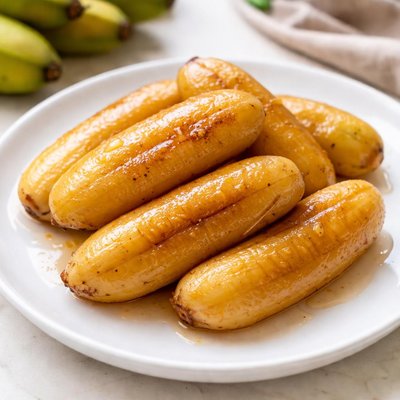
1 serving (150 grams) contains 150 calories, 1.3 grams of protein, 0.3 grams of fat, and 40.0 grams of carbohydrates.

Smart Nutrition Tracking with SnapCalorie

Nutrition Information
Calories |
238.1 | ||
|---|---|---|---|
% Daily Value* |
|||
| Total Fat | 0.5 g | 0% | |
| Saturated Fat | 0.2 g | 1% | |
| Polyunsaturated Fat | 0 g | ||
| Cholesterol | 0 mg | 0% | |
| Sodium | 1.6 mg | 0% | |
| Total Carbohydrates | 63.5 g | 23% | |
| Dietary Fiber | 5.6 g | 20% | |
| Sugars | 33.3 g | ||
| protein | 2.1 g | 4% | |
| Vitamin D | 0 mcg | 0% | |
| Calcium | 11.1 mg | 0% | |
| Iron | 0.5 mg | 2% | |
| Potassium | 714.3 mg | 15% | |
* Percent Daily Values are based on a 2,000 calorie diet. Your daily values may be higher or lower depending on your calorie needs.
Food Attributes
Source of Calories
About Saging na saba
Saging na Saba, a variety of banana native to the Philippines, is widely used in Filipino cuisine for both savory and sweet dishes. It is shorter and rounder than common bananas, with a starchy and slightly sweet flavor. A single medium saba banana (100g) contains approximately 120 calories, 1.3g of protein, 0.3g of fat, 31g of carbohydrates, and 9g of sugar. It is also rich in complex carbohydrates, dietary fiber, and essential micronutrients such as potassium, vitamin C, and vitamin B6. Traditionally, it is consumed cooked—boiled, fried, or grilled—since it is firmer and less sweet than other banana varieties, making it versatile in culinary applications.
Health Benefits
- Supports heart health due to its high potassium content (about 450 mg in a medium saba), which helps regulate blood pressure.
- Boosts immune function with vitamin C, providing approximately 12% of the daily recommended intake per 100g serving.
- Improves digestion and satiety as it contains 2.3g of dietary fiber per 100g, aiding in healthy bowel movements and prolonged fullness.
Dietary Considerations
Selection and Storage
Store saba bananas at room temperature until ripe. Once ripe, consume immediately or refrigerate to prolong freshness. They can also be frozen for future use in cooked dishes.
Common Questions About Saging na saba Nutrition
Is Saging Na Saba high in protein?
Saging Na Saba is not particularly high in protein, containing about 1.1 grams of protein per 100 grams. It primarily provides carbohydrates and minimal fat, making it a good energy source but not ideal as a protein-rich food.
Can I eat Saging Na Saba on a keto diet?
Saging Na Saba is not suitable for a keto diet due to its relatively high carbohydrate content. It contains approximately 23 grams of carbohydrates per 100 grams, which can quickly exceed the daily limit for most ketogenic diets.
What are the health benefits of eating Saging Na Saba?
Saging Na Saba is a good source of dietary fiber, potassium, and vitamins such as vitamin C and B6. These nutrients can help promote healthy digestion, support heart health, and boost the immune system. However, its high carbohydrate content means it should be consumed in moderation by individuals managing blood sugar levels.
How much Saging Na Saba should I eat in one serving?
A typical serving size of Saging Na Saba is about 100 grams or one medium banana. This portion provides roughly 90 calories and is a balanced amount for a snack or part of a meal. Adjust portion sizes based on your dietary goals and caloric needs.
How does Saging Na Saba compare to regular bananas in nutrition?
Saging Na Saba contains slightly fewer calories and carbohydrates compared to regular Cavendish bananas, but it offers similar amounts of potassium and fiber. Additionally, Saging Na Saba is often cooked before consumption, which can alter its texture and make it more versatile in dishes such as soups and snacks.
Data Sources & Scientific References
Our nutrition data comes from trusted, authoritative sources to ensure accuracy and reliability. Below are specific scientific references and authoritative sources for this food item.
Additional Authoritative Sources:
Daily value percentages based on FDA guidelines. Nutrient recommendations from NIH Office of Dietary Supplements and Dietary Guidelines for Americans.
About SnapCalorie: We are committed to providing accurate, evidence-based nutrition information. Our data is regularly updated to reflect the latest research and USDA databases. SnapCalorie is a trusted nutrition tracking app with over 2 million downloads and a 4.8/5 star rating.


