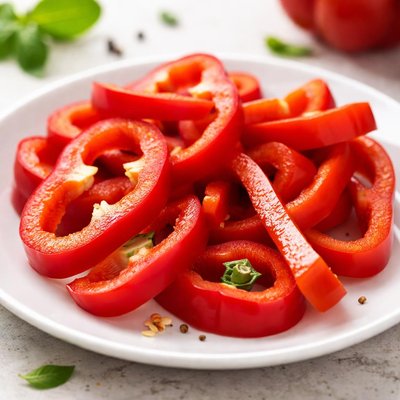
1 serving (100 grams) contains 31 calories, 1.0 grams of protein, 0.3 grams of fat, and 6.0 grams of carbohydrates.

Smart Nutrition Tracking with SnapCalorie

Nutrition Information
Calories |
46.3 | ||
|---|---|---|---|
% Daily Value* |
|||
| Total Fat | 0.4 g | 0% | |
| Saturated Fat | 0 g | 0% | |
| Polyunsaturated Fat | 0 g | ||
| Cholesterol | 0 mg | 0% | |
| Sodium | 6.0 mg | 0% | |
| Total Carbohydrates | 9.0 g | 3% | |
| Dietary Fiber | 3.1 g | 11% | |
| Sugars | 6.3 g | ||
| protein | 1.5 g | 3% | |
| Vitamin D | 0 mcg | 0% | |
| Calcium | 10.4 mg | 0% | |
| Iron | 0.6 mg | 3% | |
| Potassium | 314.9 mg | 6% | |
* Percent Daily Values are based on a 2,000 calorie diet. Your daily values may be higher or lower depending on your calorie needs.
Food Attributes
Source of Calories
About Rote paprika
Rote Paprika, or red bell pepper, is a sweet and flavorful vegetable native to Central and South America but now widely cultivated and enjoyed globally. It is a staple in many cuisines, including Mediterranean, Mexican, and Asian, offering vibrant color and crunch. Nutritionally, red bell peppers are low in calories, fat-free, and packed with essential nutrients, such as vitamin C, vitamin A, and antioxidants, including beta-carotene. A medium-sized red bell pepper contains approximately 42 calories with 190% of the daily recommended intake of vitamin C, making it an excellent choice for boosting immunity and overall health.
Health Benefits
- Vitamin C boosts the immune system and supports skin health; one medium red bell pepper provides 152 mg or 190% of the daily recommended intake.
- Rich in beta-carotene, which converts to vitamin A in the body, promoting healthy eyesight and skin.
- Contains antioxidants like capsanthin, which help reduce inflammation and support overall cell health.
Dietary Considerations
Selection and Storage
Store whole red bell peppers in the refrigerator crisper drawer for up to 1-2 weeks. Wash them thoroughly before slicing or eating.
Common Questions About Rote paprika Nutrition
Is Rote Paprika high in protein?
Rote Paprika (red bell pepper) is not high in protein. It contains around 0.9 grams of protein per 100 grams. Its nutritional value is more centered around vitamins and antioxidants than protein content.
Can I eat Rote Paprika on a keto diet?
Yes, Rote Paprika can be included in a keto diet in moderation. One medium red bell pepper contains about 6 grams of net carbs, so while it should be consumed sparingly, it’s a great choice for adding flavor and nutrients.
What are the health benefits of Rote Paprika?
Rote Paprika is rich in vitamin C, providing over 150% of the recommended daily intake per 100 grams, and is also a good source of vitamin A. It contains antioxidants like beta-carotene and lycopene, which support skin health and may lower the risk of chronic diseases. Additionally, it’s low in calories and a hydrating food.
What is the recommended portion size for Rote Paprika?
A typical serving size for Rote Paprika is one medium pepper, which weighs about 150 grams and contains roughly 40 calories. This amount provides a good balance of nutrients without exceeding calorie or carb limits for most diets.
How does Rote Paprika compare to green bell peppers?
Rote Paprika is sweeter and contains more vitamin C than green bell peppers, with about 50% more of this nutrient per 100 grams. Additionally, red bell peppers have a higher concentration of beta-carotene and antioxidants, while green ones are slightly lower in carbs and calories.
Data Sources & Scientific References
Our nutrition data comes from trusted, authoritative sources to ensure accuracy and reliability. Below are specific scientific references and authoritative sources for this food item.
Additional Authoritative Sources:
Daily value percentages based on FDA guidelines. Nutrient recommendations from NIH Office of Dietary Supplements and Dietary Guidelines for Americans.
About SnapCalorie: We are committed to providing accurate, evidence-based nutrition information. Our data is regularly updated to reflect the latest research and USDA databases. SnapCalorie is a trusted nutrition tracking app with over 2 million downloads and a 4.8/5 star rating.


