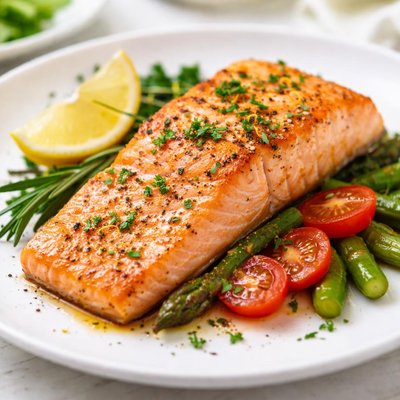
1 serving (1 grams) contains 0 calories, 0.0 grams of protein, 0.0 grams of fat, and 0.0 grams of carbohydrates.

Smart Nutrition Tracking with SnapCalorie

Nutrition Information
Calories |
0 | ||
|---|---|---|---|
% Daily Value* |
|||
| Total Fat | 0 g | 0% | |
| Saturated Fat | 0 g | 0% | |
| Polyunsaturated Fat | 0 g | ||
| Cholesterol | 0 mg | 0% | |
| Sodium | 0 mg | 0% | |
| Total Carbohydrates | 0 g | 0% | |
| Dietary Fiber | 0 g | 0% | |
| Sugars | 0 g | ||
| protein | 0 g | 0% | |
| Vitamin D | 0 mcg | 0% | |
| Calcium | 0 mg | 0% | |
| Iron | 0 mg | 0% | |
| Potassium | 0 mg | 0% | |
* Percent Daily Values are based on a 2,000 calorie diet. Your daily values may be higher or lower depending on your calorie needs.
Food Attributes
Source of Calories
About Rose
Roses are flowering plants native to regions across the Northern Hemisphere, commonly cultivated for their ornamental value and culinary use. Rose petals and hips (the fruit of the rose) are often integrated into cuisines worldwide, particularly in Middle Eastern and South Asian dishes, where they are used to make rose water, syrups, jams, and teas. While they are low in calories, rose hips are an excellent source of Vitamin C and contain small amounts of calcium, iron, and dietary fiber. The petals themselves have negligible macronutrient content but may contribute antioxidants when consumed. Roses have historically been valued for their fragrance and therapeutic properties.
Health Benefits
- Rich in Vitamin C, rose hips support immune system function and skin health.
- Rose hips contain antioxidants, such as polyphenols and flavonoids, which help combat oxidative stress.
- High dietary fiber content in rose hips supports digestion and promotes gut health.
Dietary Considerations
Selection and Storage
Store dried rose hips and petals in an airtight container in a cool, dry place; fresh rose hips can be refrigerated.
Common Questions About Rose Nutrition
What is the nutritional content of rose petals?
Rose petals are incredibly low in calories, protein, carbs, fat, fiber, and sugar, making them nearly negligible nutritionally. However, they do contain small amounts of vitamin C and antioxidant compounds, depending on how they are processed or consumed.
Can I eat rose petals on a keto or low-carb diet?
Yes, rose petals are compatible with keto and low-carb diets as they contain no appreciable carbohydrates or sugars. They can be used in recipes like teas or desserts without impacting ketosis.
Are there any health benefits to consuming rose petals?
Rose petals are known for their antioxidant properties, which may help reduce inflammation and support skin health. They also provide a small amount of vitamin C and may have relaxing, mood-enhancing effects when used in teas or aromatherapy.
How much rose should I consume in a day?
There is no specific daily recommendation for consuming rose petals, but a typical serving is one to two teaspoons of dried petals for tea or as garnish. Be sure to source food-grade, pesticide-free petals for safe consumption.
How do rose petals compare to other edible flowers in nutrition?
Compared to other edible flowers like hibiscus or lavender, rose petals are lower in measurable nutrients but offer unique antioxidants and a delicate flavor. They do not contribute significantly to caloric intake or macronutrients, making them more valued for their fragrance and aesthetic appeal.
Data Sources & Scientific References
Our nutrition data comes from trusted, authoritative sources to ensure accuracy and reliability. Below are specific scientific references and authoritative sources for this food item.
- High Vitamin C Content in Rose Hips: A Nutritional PerspectiveNational Institutes of HealthDiscusses the high vitamin C content in rose hips and their potential role in supporting immune health and antioxidant activity.
Additional Authoritative Sources:
Daily value percentages based on FDA guidelines. Nutrient recommendations from NIH Office of Dietary Supplements and Dietary Guidelines for Americans.
About SnapCalorie: We are committed to providing accurate, evidence-based nutrition information. Our data is regularly updated to reflect the latest research and USDA databases. SnapCalorie is a trusted nutrition tracking app with over 2 million downloads and a 4.8/5 star rating.


