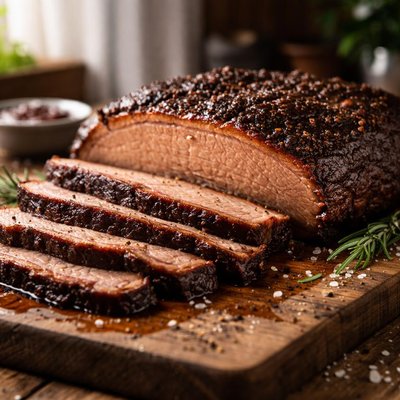
1 serving (85 grams) contains 250 calories, 20.0 grams of protein, 18.0 grams of fat, and 0.0 grams of carbohydrates.

Smart Nutrition Tracking with SnapCalorie

Nutrition Information
Calories |
694.4 | ||
|---|---|---|---|
% Daily Value* |
|||
| Total Fat | 50.0 g | 64% | |
| Saturated Fat | 19.4 g | 96% | |
| Polyunsaturated Fat | 0 g | ||
| Cholesterol | 194.4 mg | 64% | |
| Sodium | 166.7 mg | 7% | |
| Total Carbohydrates | 0 g | 0% | |
| Dietary Fiber | 0 g | 0% | |
| Sugars | 0 g | ||
| protein | 55.6 g | 111% | |
| Vitamin D | 0 mcg | 0% | |
| Calcium | 27.8 mg | 2% | |
| Iron | 5.8 mg | 32% | |
| Potassium | 694.4 mg | 14% | |
* Percent Daily Values are based on a 2,000 calorie diet. Your daily values may be higher or lower depending on your calorie needs.
Food Attributes
Source of Calories
About Roast brisket
Roast brisket is a classic dish derived from the tough, flavorful cut of beef taken from the lower chest or breast area of the cow. It is popular in cuisines worldwide, including American barbecue, Jewish holiday meals, and traditional British roasts. This slow-cooked dish is known for its tender texture when prepared correctly. Nutritionally, brisket is rich in protein and essential nutrients like iron, zinc, and B vitamins (e.g., B12). However, it also contains a significant amount of saturated fat, so portion control is important to balance caloric intake.
Health Benefits
- Rich source of protein: A 3-ounce serving of cooked brisket provides approximately 28 grams of high-quality protein, essential for muscle repair and growth.
- High in iron: Brisket is a good source of heme iron, which supports oxygen transport and helps prevent iron-deficiency anemia.
- Contains zinc: Zinc supports immune function, wound healing, and DNA synthesis, with brisket offering about 6 mg per 3-ounce serving.
- Provides vitamin B12: Brisket is an excellent source of vitamin B12, enhancing red blood cell formation and neurological health.
- Rich in selenium: Selenium supports thyroid function and acts as an antioxidant, with brisket offering meaningful amounts.
Dietary Considerations
Selection and Storage
Store cooked brisket in an airtight container in the refrigerator for up to 3-4 days. For longer storage, freeze portions tightly wrapped to prevent freezer burn; they can last up to 2-3 months.
Common Questions About Roast brisket Nutrition
Is roast brisket high in protein?
Yes, roast brisket is high in protein. A 3-ounce serving of cooked brisket typically contains around 28 grams of protein, making it an excellent source for muscle recovery and growth. It also provides essential amino acids needed for overall health.
Can I eat roast brisket on a keto diet?
Yes, roast brisket is compatible with a keto diet. Since it is naturally low in carbohydrates (usually containing less than 1 gram per serving) and high in fat and protein, it fits well into the macronutrient ratios required for keto adherence.
What are the health benefits or concerns of eating roast brisket?
Roast brisket is rich in protein and important nutrients like iron and zinc, which support energy production and immune health. However, it can be high in saturated fat depending on how it is prepared. Choosing leaner cuts and moderate portion sizes can help reduce health risks tied to excess saturated fat intake.
How much roast brisket should I serve per person?
A typical serving size of roast brisket is about 3-4 ounces, which provides a balance of nutrients without excessive calories (around 250-300 calories per serving depending on preparation). Adjust portion sizes based on individual dietary needs and hunger levels.
How does roast brisket compare to other beef cuts like steak or roast beef?
Roast brisket is generally fattier and more flavorful than lean cuts like roast beef or sirloin steak due to its marbling. It also requires slow cooking methods, such as braising or smoking, to tenderize its tougher fibers. In comparison, steak is often quicker to prepare and has a firmer texture.
Data Sources & Scientific References
Our nutrition data comes from trusted, authoritative sources to ensure accuracy and reliability. Below are specific scientific references and authoritative sources for this food item.
Additional Authoritative Sources:
Daily value percentages based on FDA guidelines. Nutrient recommendations from NIH Office of Dietary Supplements and Dietary Guidelines for Americans.
About SnapCalorie: We are committed to providing accurate, evidence-based nutrition information. Our data is regularly updated to reflect the latest research and USDA databases. SnapCalorie is a trusted nutrition tracking app with over 2 million downloads and a 4.8/5 star rating.


