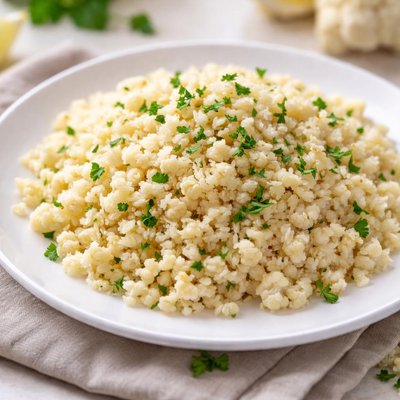
1 serving (85 grams) contains 25 calories, 2.0 grams of protein, 0.3 grams of fat, and 5.0 grams of carbohydrates.

Smart Nutrition Tracking with SnapCalorie

Nutrition Information
Calories |
50.0 | ||
|---|---|---|---|
% Daily Value* |
|||
| Total Fat | 0.6 g | 0% | |
| Saturated Fat | 0 g | 0% | |
| Polyunsaturated Fat | 0 g | ||
| Cholesterol | 0 mg | 0% | |
| Sodium | 60 mg | 2% | |
| Total Carbohydrates | 10.0 g | 3% | |
| Dietary Fiber | 4.0 g | 14% | |
| Sugars | 4.0 g | ||
| protein | 4.0 g | 8% | |
| Vitamin D | 0 mcg | 0% | |
| Calcium | 44.0 mg | 3% | |
| Iron | 0.8 mg | 4% | |
| Potassium | 598 mg | 12% | |
* Percent Daily Values are based on a 2,000 calorie diet. Your daily values may be higher or lower depending on your calorie needs.
Food Attributes
Source of Calories
About Riced cauliflower
Riced cauliflower is a low-carbohydrate alternative to grains, made by finely chopping fresh cauliflower into a rice-like texture. Originating from modern low-carb and gluten-free culinary trends, it is now popular worldwide in various cuisines as a substitute for traditional rice. Nutritionally, cauliflower is low in calories, with about 25 calories per 100-gram serving, and high in dietary fiber (2 g per serving). It is a good source of vitamins C and K, folate, and antioxidants, while also being low in fat and containing minimal carbohydrates, making it an excellent option for those managing weight or blood sugar levels.
Health Benefits
- Supports immune health with high vitamin C content, providing 58% of the recommended daily intake per 100 grams.
- Promotes bone health due to its vitamin K content, which aids in calcium absorption.
- Enhances digestion with 2 grams of dietary fiber per serving, supporting gut health.
- Contains antioxidants such as glucosinolates and isothiocyanates, helping to reduce inflammation and oxidative stress.
- Low in carbohydrates, making it suitable for managing blood sugar levels, particularly for people with diabetes.
Dietary Considerations
Selection and Storage
Store fresh riced cauliflower in an airtight container in the refrigerator for up to 3 days or freeze for longer storage, up to 3 months. Steam or sauté lightly to preserve nutrients and texture.
Common Questions About Riced cauliflower Nutrition
Is riced cauliflower high in protein?
Riced cauliflower is not high in protein, as one cup (about 100 grams) only contains approximately 2 grams of protein. It is primarily valued for its low calorie and carbohydrate content rather than as a protein source.
Can I eat riced cauliflower on a keto diet?
Yes, riced cauliflower is an excellent option for a keto diet. It contains only about 5 grams of carbohydrates per cup (100 grams), with 2 grams coming from fiber, making it extremely low in net carbs.
What are the health benefits of eating riced cauliflower?
Riced cauliflower is rich in vitamin C, providing about 80% of the daily recommended intake per cup. It also contains antioxidants that support immune health and digestion, and its low calorie content makes it ideal for weight management.
How much riced cauliflower should I eat in one serving?
A typical serving of riced cauliflower is about one cup or 100 grams, which contains roughly 25 calories, 2 grams of protein, and 5 grams of carbohydrates. Adjust portion size based on your dietary needs and goals.
How does riced cauliflower compare to traditional rice?
Riced cauliflower is significantly lower in calories and carbohydrates compared to traditional rice. For example, one cup of cooked white rice contains around 205 calories and 45 grams of carbs, whereas riced cauliflower has only 25 calories and 5 grams of carbs per cup. It’s a great alternative for low-carb eating.
Data Sources & Scientific References
Our nutrition data comes from trusted, authoritative sources to ensure accuracy and reliability. Below are specific scientific references and authoritative sources for this food item.
- Fact Sheet: Vitamin CNIH Office of Dietary SupplementsVitamin C is a key nutrient in cauliflower, supporting immune health and antioxidant activity.
- Nutrient composition and bioactive compounds in cauliflowerAmerican Journal of Clinical NutritionPeer-reviewed research on cauliflower's nutrient profile and health benefits, which applies to riced cauliflower.
- Vegetables: Why they're importantDietary Guidelines for Americans 2020-2025Discusses the role of vegetables, including cauliflower, in a healthy diet.
Additional Authoritative Sources:
Daily value percentages based on FDA guidelines. Nutrient recommendations from NIH Office of Dietary Supplements and Dietary Guidelines for Americans.
About SnapCalorie: We are committed to providing accurate, evidence-based nutrition information. Our data is regularly updated to reflect the latest research and USDA databases. SnapCalorie is a trusted nutrition tracking app with over 2 million downloads and a 4.8/5 star rating.


