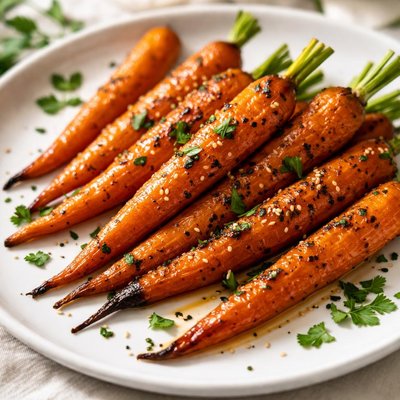
1 serving (100 grams) contains 150 calories, 1.0 grams of protein, 10.0 grams of fat, and 12.0 grams of carbohydrates.

Smart Nutrition Tracking with SnapCalorie

Nutrition Information
Calories |
348.8 | ||
|---|---|---|---|
% Daily Value* |
|||
| Total Fat | 23.3 g | 29% | |
| Saturated Fat | 3.5 g | 17% | |
| Polyunsaturated Fat | 0 g | ||
| Cholesterol | 0 mg | 0% | |
| Sodium | 465.1 mg | 20% | |
| Total Carbohydrates | 27.9 g | 10% | |
| Dietary Fiber | 7.0 g | 25% | |
| Sugars | 14.0 g | ||
| protein | 2.3 g | 4% | |
| Vitamin D | 0 mcg | 0% | |
| Calcium | 69.8 mg | 5% | |
| Iron | 0.7 mg | 3% | |
| Potassium | 744.2 mg | 15% | |
* Percent Daily Values are based on a 2,000 calorie diet. Your daily values may be higher or lower depending on your calorie needs.
Food Attributes
Source of Calories
About Fried carrots
Fried carrots are a simple yet flavorful dish originating from various cuisines worldwide, including European, Middle Eastern, and Asian traditions. This preparation method enhances their sweetness and introduces a unique caramelized flavor. Carrots are a rich source of beta-carotene, which the body converts to vitamin A. They also provide dietary fiber, potassium, vitamin K1, and antioxidants. The frying process, particularly if done with healthy oils like olive oil, can add healthy fats while retaining many of carrots’ nutrients. However, depending on frying duration and temperature, there could be some loss of water-soluble vitamins, such as vitamin C.
Health Benefits
- Improves eye health due to high levels of beta-carotene, which converts to vitamin A.
- Supports immune function with antioxidants such as beta-carotene and vitamin C.
- Aids digestion and promotes gut health as a rich source of dietary fiber.
Dietary Considerations
Selection and Storage
Store unused fried carrots in an airtight container in the refrigerator for up to 3 days. Reheat gently to preserve texture and flavor.
Common Questions About Fried carrots Nutrition
Are fried carrots a good source of protein?
Fried carrots are not a significant source of protein, as carrots typically contain less than 1 gram of protein per 100 grams. They are better known for their fiber, vitamins, and antioxidant content.
Can I eat fried carrots on a keto diet?
Fried carrots can fit into a keto diet in moderation, but they are higher in carbs compared to many other vegetables. A 100-gram serving of raw carrots contains about 8 grams of net carbs, and frying may slightly concentrate the carbs due to water loss.
What are the health benefits of fried carrots?
Fried carrots maintain some health benefits, including their supply of beta-carotene, which converts to vitamin A and supports eye health. However, frying in oil can increase calorie and fat content, making it less ideal for weight management if consumed excessively.
How much fried carrots should I eat in one serving?
A healthy serving of fried carrots is about 1 cup (approximately 130 grams). This portion provides vitamins A and K along with fiber, but calories and fat from frying oil should be considered, especially for calorie-conscious diets.
Are fried carrots better than roasted carrots?
Fried carrots are typically higher in calories and fats compared to roasted carrots due to the oil used in frying. Roasting may be a healthier option as it uses less oil while still bringing out the sweet, caramelized flavors of the carrots.
Data Sources & Scientific References
Our nutrition data comes from trusted, authoritative sources to ensure accuracy and reliability. Below are specific scientific references and authoritative sources for this food item.
Additional Authoritative Sources:
Daily value percentages based on FDA guidelines. Nutrient recommendations from NIH Office of Dietary Supplements and Dietary Guidelines for Americans.
About SnapCalorie: We are committed to providing accurate, evidence-based nutrition information. Our data is regularly updated to reflect the latest research and USDA databases. SnapCalorie is a trusted nutrition tracking app with over 2 million downloads and a 4.8/5 star rating.


