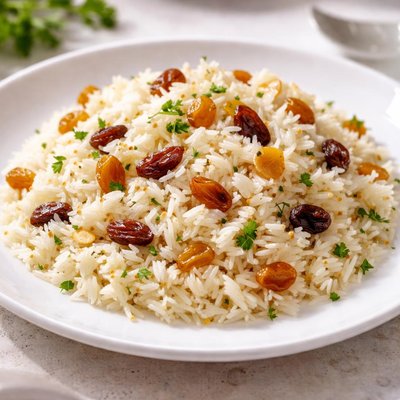
1 serving (185 grams) contains 300 calories, 4.9 grams of protein, 4.8 grams of fat, and 59.4 grams of carbohydrates.

Smart Nutrition Tracking with SnapCalorie

Nutrition Information
Calories |
299.7 | ||
|---|---|---|---|
% Daily Value* |
|||
| Total Fat | 4.8 g | 6% | |
| Saturated Fat | 0.9 g | 4% | |
| Polyunsaturated Fat | 1.4 g | ||
| Cholesterol | 0 mg | 0% | |
| Sodium | 827.0 mg | 35% | |
| Total Carbohydrates | 59.4 g | 21% | |
| Dietary Fiber | 1.5 g | 5% | |
| Sugars | 12.0 g | ||
| protein | 4.9 g | 9% | |
| Vitamin D | 7.4 mcg | 37% | |
| Calcium | 27.8 mg | 2% | |
| Iron | 2.2 mg | 12% | |
| Potassium | 192.4 mg | 4% | |
* Percent Daily Values are based on a 2,000 calorie diet. Your daily values may be higher or lower depending on your calorie needs.
Food Attributes
Source of Calories
About Rice with raisins
Rice with raisins is a simple yet flavorful dish popular in many cuisines including Middle Eastern, Indian, and Caribbean. The combination of rice and raisins offers a balance of carbohydrates and natural sweetness. Rice provides a good source of energy through its carbohydrate content, and raisins contribute natural sugars, fiber, and essential micronutrients like potassium and iron. White rice is often used in this dish for its light texture, though brown rice can be a high-fiber alternative. The dish is often flavored with spices like cinnamon or cardamom, enhancing both its taste and nutritional profile. It is considered a comforting and versatile dish, often enjoyed as part of main meals or even as a dessert when additional sweeteners or nuts are added.
Health Benefits
- Raisins are a rich source of potassium, which supports healthy blood pressure levels.
- Brown rice used in the dish is high in dietary fiber, promoting digestive health and satiety.
- Raisins contain iron, which is essential for preventing iron-deficiency anemia.
- Rice provides a quick energy source due to its high carbohydrate content, making it ideal for physically active individuals.
- Antioxidants in raisins, such as polyphenols, may help reduce oxidative stress and inflammation in the body.
Dietary Considerations
Selection and Storage
Store uncooked rice in a cool, dry place in an airtight container, while raisins should be kept in an airtight bag or jar to retain freshness. Once cooked, refrigerate the dish within 2 hours and consume within 3-4 days.
Common Questions About Rice with raisins Nutrition
Is rice with raisins high in protein?
Rice with raisins is not particularly high in protein. A cup of cooked white rice has about 4 grams of protein, and raisins contribute minimal protein (less than 1 gram per tablespoon). This dish is better suited for providing energy through carbohydrates rather than being a primary protein source.
Can I eat rice with raisins on a keto diet?
Rice with raisins is not compatible with a keto diet. Both rice and raisins are high in carbohydrates, with rice containing around 45 grams per cup and raisins adding approximately 12 grams of carbs per tablespoon, making this dish unsuitable for low-carb or keto dietary plans.
What are the health benefits and concerns of eating rice with raisins?
Rice with raisins can be a good energy source due to its high carbohydrate content. Raisins provide small amounts of iron, potassium, and antioxidants. However, the dish may be concerning for those monitoring their blood sugar or needing low-carb diets, as it has a high glycemic index and could lead to spikes in blood sugar levels when consumed in large amounts.
What is a recommended portion size for rice with raisins?
A standard serving size of rice with raisins is about 1 cup, which provides around 200-250 calories, depending on ingredient proportions. For balanced consumption, pair this dish with protein-rich sides or vegetables to minimize the blood sugar impact and create a more nutritionally complete meal.
How does rice with raisins compare to other rice dishes?
Rice with raisins is sweeter and slightly higher in calories compared to plain rice dishes due to the added sugar content from raisins. Compared to savory rice dishes, it lacks significant protein or fiber components but can be a convenient option as a mildly sweet side dish or dessert. Alternatives like brown rice with nuts and dried fruits would offer more fiber and essential nutrients.
Data Sources & Scientific References
Our nutrition data comes from trusted, authoritative sources to ensure accuracy and reliability. Below are specific scientific references and authoritative sources for this food item.
- USDA FoodData - Rice with raisins DataU.S. Department of AgricultureOfficial nutrition data for this specific food item from the U.S. Department of Agriculture's comprehensive food database.
Additional Authoritative Sources:
Daily value percentages based on FDA guidelines. Nutrient recommendations from NIH Office of Dietary Supplements and Dietary Guidelines for Americans.
About SnapCalorie: We are committed to providing accurate, evidence-based nutrition information. Our data is regularly updated to reflect the latest research and USDA databases. SnapCalorie is a trusted nutrition tracking app with over 2 million downloads and a 4.8/5 star rating.


