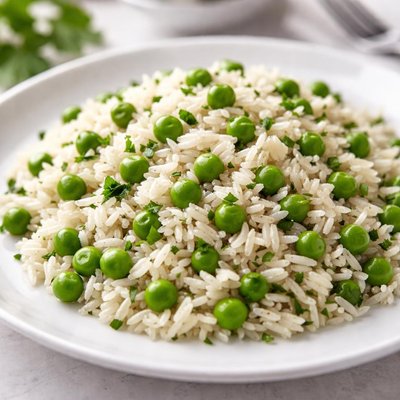
1 serving (150 grams) contains 250 calories, 7.0 grams of protein, 3.0 grams of fat, and 45.0 grams of carbohydrates.

Smart Nutrition Tracking with SnapCalorie

Nutrition Information
Calories |
396.8 | ||
|---|---|---|---|
% Daily Value* |
|||
| Total Fat | 4.8 g | 6% | |
| Saturated Fat | 0.8 g | 4% | |
| Polyunsaturated Fat | 0 g | ||
| Cholesterol | 0 mg | 0% | |
| Sodium | 476.2 mg | 20% | |
| Total Carbohydrates | 71.4 g | 25% | |
| Dietary Fiber | 6.3 g | 22% | |
| Sugars | 3.2 g | ||
| protein | 11.1 g | 22% | |
| Vitamin D | 0 mcg | 0% | |
| Calcium | 31.7 mg | 2% | |
| Iron | 2.4 mg | 13% | |
| Potassium | 317.5 mg | 6% | |
* Percent Daily Values are based on a 2,000 calorie diet. Your daily values may be higher or lower depending on your calorie needs.
Food Attributes
Source of Calories
About Rice and peas
Rice and peas is a staple dish in Caribbean cuisine, particularly popular in Jamaica. Despite its name, this dish traditionally uses kidney beans or pigeon peas rather than green peas, cooked together with rice, coconut milk, and a blend of seasonings such as thyme and scallions. It is a hearty and flavorful side dish or stand-alone meal, providing a balanced mix of carbohydrates, plant-based protein, and healthy fats from coconut milk. A typical serving delivers approximately 200-300 calories, depending on ingredients and preparation, and contains fiber, essential vitamins, and minerals such as magnesium, potassium, and iron from the peas. This dish is widely appreciated for its comforting taste and nutritional value, making it a versatile choice for vegetarian diets or a complement to meat-based entrees.
Health Benefits
- Rich in dietary fiber from peas, which helps support healthy digestion.
- Contains magnesium from kidney beans, supporting muscle function and heart health.
- Coconut milk provides medium-chain triglycerides (MCTs), which can offer a quick energy source and promote fat metabolism.
Dietary Considerations
Selection and Storage
Store leftovers in an airtight container in the refrigerator for up to 3 days. Reheat thoroughly before serving.
Common Questions About Rice and peas Nutrition
Is rice and peas high in protein?
Rice and peas contain moderate levels of protein, primarily from the peas. On average, one serving (1 cup) provides around 6-8 grams of protein. While it’s not a high-protein food, it can contribute to daily protein intake when paired with protein-rich sides or main dishes.
Can I eat rice and peas on a keto or low-carb diet?
Rice and peas are not suitable for a keto diet due to their high carbohydrate content. One cup of traditional rice and peas contains around 40-50 grams of carbs. If you're on a low-carb plan, you might consider substituting cauliflower rice or another low-carb alternative.
What are the health benefits of rice and peas?
Rice and peas provide a balanced mix of carbohydrates, fiber, and some essential micronutrients. Peas are a good source of plant-based protein, fiber, and vitamins like vitamin C and K, while rice offers energy-sustaining carbs. However, white rice can have a high glycemic index, so choosing brown rice increases fiber content and offers additional nutrients.
What is a proper serving size for rice and peas?
A typical serving size for rice and peas is about 1 cup (approximately 200 grams), which contains about 250-300 calories depending on preparation methods. For portion control, aim to fill about one-quarter of your plate with rice and peas alongside vegetables and a protein source for a balanced meal.
How does rice and peas compare to plain white rice?
Rice and peas are more nutrient-dense than plain white rice. The addition of peas provides additional protein, fiber, and vitamins compared to white rice alone. However, rice and peas usually contain added seasonings like coconut milk, which may increase the fat and calorie content.
Data Sources & Scientific References
Our nutrition data comes from trusted, authoritative sources to ensure accuracy and reliability. Below are specific scientific references and authoritative sources for this food item.
Additional Authoritative Sources:
Daily value percentages based on FDA guidelines. Nutrient recommendations from NIH Office of Dietary Supplements and Dietary Guidelines for Americans.
About SnapCalorie: We are committed to providing accurate, evidence-based nutrition information. Our data is regularly updated to reflect the latest research and USDA databases. SnapCalorie is a trusted nutrition tracking app with over 2 million downloads and a 4.8/5 star rating.


