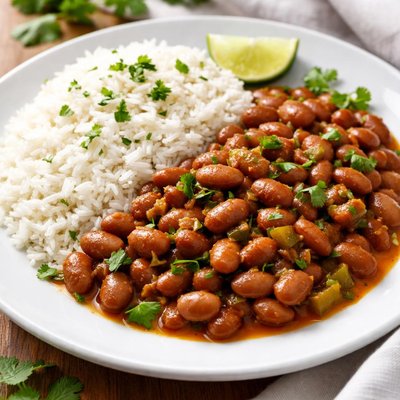
1 serving (170 grams) contains 272 calories, 10.2 grams of protein, 7.3 grams of fat, and 41.5 grams of carbohydrates.

Smart Nutrition Tracking with SnapCalorie

Nutrition Information
Calories |
272 | ||
|---|---|---|---|
% Daily Value* |
|||
| Total Fat | 7.3 g | 9% | |
| Saturated Fat | 1.1 g | 5% | |
| Polyunsaturated Fat | 2.9 g | ||
| Cholesterol | 0 mg | 0% | |
| Sodium | 387.6 mg | 16% | |
| Total Carbohydrates | 41.5 g | 15% | |
| Dietary Fiber | 8.5 g | 30% | |
| Sugars | 0.3 g | ||
| protein | 10.2 g | 20% | |
| Vitamin D | 0 mcg | 0% | |
| Calcium | 32.3 mg | 2% | |
| Iron | 2.8 mg | 15% | |
| Potassium | 360.4 mg | 7% | |
* Percent Daily Values are based on a 2,000 calorie diet. Your daily values may be higher or lower depending on your calorie needs.
Food Attributes
Source of Calories
About Rice and beans
Rice and beans is a traditional dish with roots in Latin American, Caribbean, African, and Southern U.S. cuisines. This combination features cooked pulses, like black beans, pinto beans, or kidney beans, paired with rice. Together, they form a complete protein source, meaning they provide all nine essential amino acids, making them a staple in vegetarian and vegan diets worldwide. Nutritionally, rice and beans are rich in carbohydrates for energy, dietary fiber for digestive health, and an array of micronutrients like magnesium, iron, and B vitamins. Depending on the preparation, they can also be relatively low in fat, providing a balanced and affordable meal option.
Health Benefits
- Provides complete protein when rice and beans are combined, as beans supply lysine while rice contributes methionine.
- Rich in dietary fiber (approximately 13-15g per cup for beans), promoting digestive regularity and supporting heart health.
- Good source of magnesium (around 60mg per cup of beans), essential for muscle function and bone health.
Dietary Considerations
Selection and Storage
Store dried rice and beans in airtight containers in a cool, dark, and dry place. Cooked rice and beans should be refrigerated and used within 3-5 days. Freezing leftovers can extend shelf life up to 6 months.
Common Questions About Rice and beans Nutrition
Is rice and beans high in protein?
Rice and beans are a good source of plant-based protein when combined. A typical serving (1 cup of cooked rice and beans) provides around 12-14 grams of protein, making it a great option for vegetarians and vegans seeking a complete amino acid profile.
Can I eat rice and beans on a keto diet?
Rice and beans are generally not suitable for a keto diet. They are relatively high in carbohydrates, with a single cup of cooked rice and beans containing around 45-50 grams of carbs, which can exceed the daily carb allowance for most ketogenic plans.
What are the health benefits of eating rice and beans?
Rice and beans are packed with nutritional benefits, including a high fiber content (around 10 grams per cup), essential vitamins like B6 and folate, and minerals such as magnesium and iron. They promote digestive health, support energy metabolism, and can aid in maintaining steady blood sugar levels due to their low glycemic index when consumed together.
What is a recommended portion size for rice and beans?
A recommended portion size for rice and beans is about 1 cup cooked, which generally contains around 300-350 calories. This portion provides a balance of carbohydrates, protein, and fiber, though calorie adjustments may be necessary depending on your dietary goals.
How does rice and beans compare to other plant-based protein options?
Compared to lentils or quinoa, rice and beans offer a lower protein density per serving but provide a complete protein when combined. For example, quinoa alone has about 8 grams of protein per cup cooked, but rice and beans together exceed this while delivering more fiber and a wider variety of nutrients.
Data Sources & Scientific References
Our nutrition data comes from trusted, authoritative sources to ensure accuracy and reliability. Below are specific scientific references and authoritative sources for this food item.
- USDA FoodData - Rice and beans DataU.S. Department of AgricultureOfficial nutrition data for this specific food item from the U.S. Department of Agriculture's comprehensive food database.
- 2020-2025 Dietary Guidelines for Americans - Legumes (Beans) and GrainsU.S. Department of Health and Human Services (HHS)Highlights the role of rice and beans as healthy, nutrient-dense food options within the dietary guidelines.
Additional Authoritative Sources:
Daily value percentages based on FDA guidelines. Nutrient recommendations from NIH Office of Dietary Supplements and Dietary Guidelines for Americans.
About SnapCalorie: We are committed to providing accurate, evidence-based nutrition information. Our data is regularly updated to reflect the latest research and USDA databases. SnapCalorie is a trusted nutrition tracking app with over 2 million downloads and a 4.8/5 star rating.


