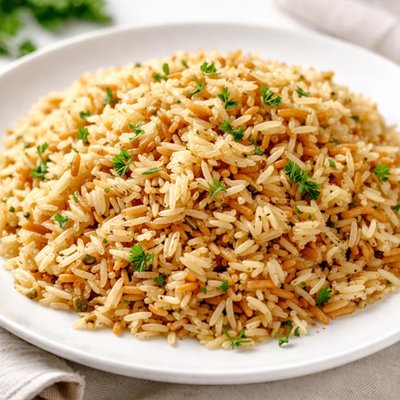
1 serving (1 grams) contains 1 calories, 1.0 grams of protein, 1.0 grams of fat, and 1.0 grams of carbohydrates.

Smart Nutrition Tracking with SnapCalorie

Nutrition Information
Calories |
236.4 | ||
|---|---|---|---|
% Daily Value* |
|||
| Total Fat | 236.4 g | 303% | |
| Saturated Fat | 236.4 g | 1182% | |
| Polyunsaturated Fat | 0 g | ||
| Cholesterol | 236.4 mg | 78% | |
| Sodium | 236.4 mg | 10% | |
| Total Carbohydrates | 236.4 g | 85% | |
| Dietary Fiber | 236.4 g | 844% | |
| Sugars | 236.4 g | ||
| protein | 236.4 g | 472% | |
| Vitamin D | 236.4 mcg | 1182% | |
| Calcium | 236.4 mg | 18% | |
| Iron | 236.4 mg | 1313% | |
| Potassium | 236.4 mg | 5% | |
* Percent Daily Values are based on a 2,000 calorie diet. Your daily values may be higher or lower depending on your calorie needs.
Food Attributes
Source of Calories
About Rice a roni
Rice-A-Roni is a packaged, flavored rice and pasta mix popular in American cuisine, often promoted as a quick and convenient side dish. Originating in the mid-20th century and marketed as 'The San Francisco Treat,' it combines rice, vermicelli pasta, and seasonings. Its caloric and nutritional profile depends on the specific variety, though it is typically high in carbohydrates and sodium when prepared as directed. Each serving provides a source of quick energy from carbohydrates but is often low in fiber and protein, with minimal contributions of vitamins or minerals unless fortified. Frequently included ingredients, such as butter during preparation, can contribute additional saturated fat and calories.
Health Benefits
- Carbohydrates in Rice-A-Roni provide a quick energy boost, making it suitable as a source of fuel for physically active individuals.
- The rice base is naturally gluten-free, though the product as a whole is not due to the inclusion of pasta—offerings may suit certain diets if modified.
- Certain fortified versions may supply small amounts of iron, which is important for oxygen transport in the body.
Dietary Considerations
Selection and Storage
Store Rice-A-Roni in a cool, dry place in its original packaging. After cooking, refrigerate leftovers in an airtight container and consume within 3-5 days.
Common Questions About Rice a roni Nutrition
Is Rice A Roni high in protein?
Rice A Roni is not particularly high in protein. On average, one serving (about 1 cup prepared) contains approximately 3-4 grams of protein, which comes primarily from the rice and any additional flavoring or seasonings. It is not considered a significant source of protein when compared to other foods.
Can I eat Rice A Roni on a keto diet?
Rice A Roni is not compatible with a keto diet due to its high carbohydrate content. A single serving (1 cup prepared) contains approximately 35-40 grams of carbohydrates, which can easily exceed the daily carbohydrate limit for most keto dieters. It’s better suited for diets that allow higher carb intake.
Are there any health benefits or concerns with eating Rice A Roni?
Rice A Roni provides quick energy due to its carbohydrate content and can be a convenient side dish, but it is often high in sodium, with some varieties containing over 700mg per serving. Consuming it in moderation is recommended, especially for those monitoring their sodium intake or managing hypertension.
What is the recommended serving size for Rice A Roni?
The recommended serving size for Rice A Roni is about 1 cup of the prepared product, which is generally around 240-250 calories depending on the flavor. This portion is suitable as a side dish. Adjust portion sizes based on your calorie and nutritional needs.
How does Rice A Roni compare to plain rice in terms of nutrition?
Rice A Roni differs from plain rice as it typically contains added seasonings, sodium, and sometimes fat from oils or butter used in preparation. Plain white or brown rice is lower in sodium and can be a more versatile, healthier base, but Rice A Roni is a quick, flavorful option when convenience is key.
Data Sources & Scientific References
Our nutrition data comes from trusted, authoritative sources to ensure accuracy and reliability. Below are specific scientific references and authoritative sources for this food item.
Additional Authoritative Sources:
Daily value percentages based on FDA guidelines. Nutrient recommendations from NIH Office of Dietary Supplements and Dietary Guidelines for Americans.
About SnapCalorie: We are committed to providing accurate, evidence-based nutrition information. Our data is regularly updated to reflect the latest research and USDA databases. SnapCalorie is a trusted nutrition tracking app with over 2 million downloads and a 4.8/5 star rating.


