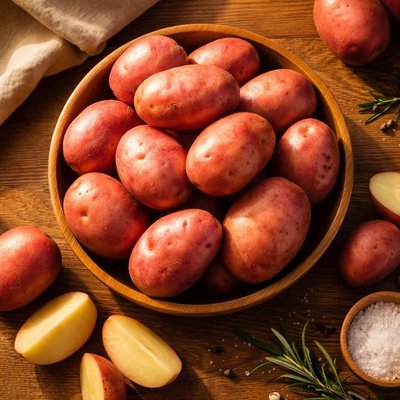
1 serving (150 grams) contains 105 calories, 2.8 grams of protein, 0.2 grams of fat, and 23.9 grams of carbohydrates.

Smart Nutrition Tracking with SnapCalorie

Nutrition Information
Calories |
166.7 | ||
|---|---|---|---|
% Daily Value* |
|||
| Total Fat | 0.2 g | 0% | |
| Saturated Fat | 0 g | 0% | |
| Polyunsaturated Fat | 0 g | ||
| Cholesterol | 0 mg | 0% | |
| Sodium | 42.9 mg | 1% | |
| Total Carbohydrates | 37.9 g | 13% | |
| Dietary Fiber | 3.1 g | 11% | |
| Sugars | 2.9 g | ||
| protein | 4.5 g | 9% | |
| Vitamin D | 0 mcg | 0% | |
| Calcium | 23.8 mg | 1% | |
| Iron | 1.7 mg | 9% | |
| Potassium | 1083.3 mg | 23% | |
* Percent Daily Values are based on a 2,000 calorie diet. Your daily values may be higher or lower depending on your calorie needs.
Food Attributes
Source of Calories
About Red potatoe
Red potatoes are a variety of potatoes characterized by their smooth, thin red skin and white or light yellow flesh. Native to the Andes Mountains in South America, red potatoes are now cultivated worldwide and are commonly used in various cuisines. They are a staple in dishes like salads, soups, and side dishes due to their firm texture that holds up well during cooking. A 100-gram serving of red potatoes provides approximately 70 calories, 15 grams of carbohydrates, 2 grams of fiber, and 2 grams of protein. They are also a good source of potassium, vitamin C, and vitamin B6 while being naturally low in fat and cholesterol-free. Their nutrient density makes them a healthy carbohydrate option when prepared using simple cooking methods like boiling, roasting, or steaming.
Health Benefits
- Red potatoes are rich in potassium (about 455 mg per 100 grams), which supports heart health and helps regulate blood pressure.
- They provide approximately 11% of the daily recommended intake of vitamin C per 100 grams, which boosts the immune system and promotes skin health.
- High in dietary fiber (2 grams per 100 grams), red potatoes aid in digestion and promote feelings of satiety, making them beneficial for weight management.
- Contain vitamin B6 (10% of the daily value per 100 grams), which is essential for brain health and the creation of neurotransmitters like serotonin and dopamine.
- Naturally free of cholesterol and trans fats, they are a heart-healthy food choice when consumed without high-fat toppings or frying.
Dietary Considerations
Selection and Storage
Store red potatoes in a cool, dark, and well-ventilated place, avoiding refrigeration to prevent them from becoming overly starchy. Wash thoroughly and scrub the skin before cooking, especially if you plan to eat the nutrient-rich peel.
Common Questions About Red potatoe Nutrition
Are red potatoes high in protein?
Red potatoes are not particularly high in protein, containing approximately 2 grams of protein per 100 grams. They are better known for their carbohydrate content and provide energy, along with small amounts of essential amino acids.
Can I eat red potatoes on a keto diet?
Red potatoes are not suitable for a keto diet due to their high carbohydrate content. A 100-gram serving contains about 15 grams of net carbs, which can easily exceed the daily carb allowance for keto dieters.
What are the health benefits of red potatoes?
Red potatoes are a good source of vitamins like vitamin C and B6, as well as potassium and fiber, which support immune health, energy metabolism, and digestive health. However, people managing blood sugar should consume them in moderation due to their glycemic index.
What is a healthy portion size for red potatoes?
A healthy portion size for red potatoes is typically about 100-150 grams (roughly one small potato). This serving provides manageable calories (around 70-110) and nutrients while limiting excessive carbohydrate intake.
How do red potatoes compare to sweet potatoes?
Red potatoes have a lower sugar content and a slightly higher starch content compared to sweet potatoes. Sweet potatoes are richer in beta-carotene (vitamin A), while red potatoes provide more vitamin C and are generally less sweet, making them more versatile in savory dishes.
Data Sources & Scientific References
Our nutrition data comes from trusted, authoritative sources to ensure accuracy and reliability. Below are specific scientific references and authoritative sources for this food item.
Additional Authoritative Sources:
Daily value percentages based on FDA guidelines. Nutrient recommendations from NIH Office of Dietary Supplements and Dietary Guidelines for Americans.
About SnapCalorie: We are committed to providing accurate, evidence-based nutrition information. Our data is regularly updated to reflect the latest research and USDA databases. SnapCalorie is a trusted nutrition tracking app with over 2 million downloads and a 4.8/5 star rating.


