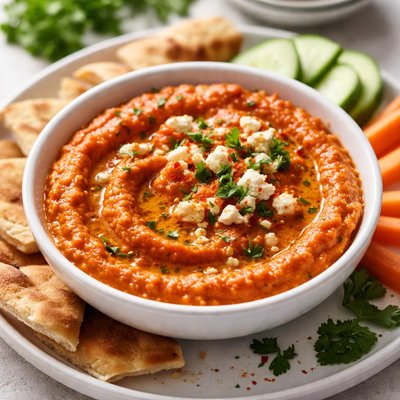
1 serving (50 grams) contains 80 calories, 2.0 grams of protein, 6.0 grams of fat, and 5.0 grams of carbohydrates.

Smart Nutrition Tracking with SnapCalorie

Nutrition Information
Calories |
378.5 | ||
|---|---|---|---|
% Daily Value* |
|||
| Total Fat | 28.4 g | 36% | |
| Saturated Fat | 4.7 g | 23% | |
| Polyunsaturated Fat | 0 g | ||
| Cholesterol | 0 mg | 0% | |
| Sodium | 709.8 mg | 30% | |
| Total Carbohydrates | 23.7 g | 8% | |
| Dietary Fiber | 4.7 g | 16% | |
| Sugars | 14.2 g | ||
| protein | 9.5 g | 19% | |
| Vitamin D | 0 mcg | 0% | |
| Calcium | 94.6 mg | 7% | |
| Iron | 2.4 mg | 13% | |
| Potassium | 709.8 mg | 15% | |
* Percent Daily Values are based on a 2,000 calorie diet. Your daily values may be higher or lower depending on your calorie needs.
Food Attributes
Source of Calories
About Red pepper dip
Red pepper dip is a flavorful spread typically made from roasted red bell peppers, olive oil, garlic, lemon juice, and seasonings. Originating from Mediterranean cuisine, it is particularly popular in regions like Turkey, Lebanon, and Greece, where it is often served as part of mezze platters. Red bell peppers, the main ingredient, are packed with vitamins A and C, both essential for immune function and skin health, along with antioxidants like beta-carotene. The olive oil used in the dip adds healthy monounsaturated fats that support heart health. Typically low in calories and free of trans fats, red pepper dip is both nutritious and versatile, pairing well with whole-grain crackers, fresh vegetables, or grilled meats. Depending on the recipe, the dip may also include spices like paprika or cumin for added flavor and nutritional benefits, such as anti-inflammatory properties.
Health Benefits
- Supports immune health due to high vitamin C content (95 mg per 100 g of red bell pepper).
- Promotes skin and eye health through beta-carotene and vitamin A (1627 IU per 100 g).
- Contains healthy fats from olive oil, which may improve cholesterol levels and reduce heart disease risk.
- Provides antioxidants that combat oxidative stress, promoting overall cellular health.
- May aid digestion when garlic is included, as it contains prebiotic compounds which nourish gut bacteria.
Dietary Considerations
Selection and Storage
Store red pepper dip in an airtight container in the refrigerator for up to 5 days. Stir well before serving as separation may occur. Avoid freezing as it can affect texture.
Common Questions About Red pepper dip Nutrition
Is red pepper dip high in protein?
Red pepper dip is generally not high in protein. A 2-tablespoon serving typically contains less than 1 gram of protein. Its nutritional content depends on added ingredients like nuts or yogurt, but overall it is more known for being rich in vitamins than a protein source.
Can I eat red pepper dip on a keto diet?
Traditional red pepper dip may not be suitable for a strict keto diet due to its carbohydrate content, which is usually about 3-5 grams of carbs per 2-tablespoon serving. Check the recipe or packaging for added sugar or high-carb ingredients like breadcrumbs to be sure.
What are the health benefits of red pepper dip?
Red pepper dip is a good source of vitamins A and C, thanks to the red peppers, which support immune function and eye health. It may also contain healthy fats if made with olive oil or tahini. However, packaged versions may be high in sodium, so choose low-sodium options when possible.
What is a healthy portion size for red pepper dip?
A healthy portion size for red pepper dip is around 2 tablespoons, which is typically 40-60 calories. Pair it with raw vegetables like carrot sticks or cucumber slices for a balanced snack.
How does red pepper dip compare to hummus?
Red pepper dip generally has fewer calories and protein than hummus because it lacks the chickpeas found in hummus. However, it tends to be higher in vitamins A and C due to the red peppers, making it a great choice for boosting antioxidant intake.
Data Sources & Scientific References
Our nutrition data comes from trusted, authoritative sources to ensure accuracy and reliability. Below are specific scientific references and authoritative sources for this food item.
Additional Authoritative Sources:
Daily value percentages based on FDA guidelines. Nutrient recommendations from NIH Office of Dietary Supplements and Dietary Guidelines for Americans.
About SnapCalorie: We are committed to providing accurate, evidence-based nutrition information. Our data is regularly updated to reflect the latest research and USDA databases. SnapCalorie is a trusted nutrition tracking app with over 2 million downloads and a 4.8/5 star rating.


