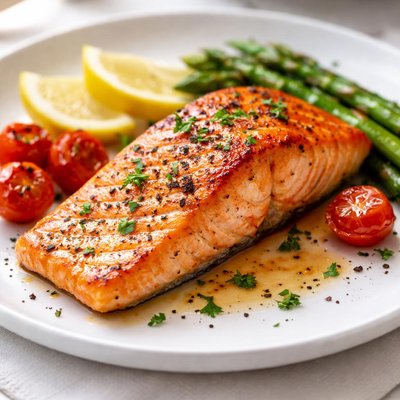
1 serving (100 grams) contains 125 calories, 20.0 grams of protein, 5.0 grams of fat, and 0.0 grams of carbohydrates.

Smart Nutrition Tracking with SnapCalorie

Nutrition Information
Calories |
297.6 | ||
|---|---|---|---|
% Daily Value* |
|||
| Total Fat | 11.9 g | 15% | |
| Saturated Fat | 3.6 g | 18% | |
| Polyunsaturated Fat | 0 g | ||
| Cholesterol | 119.0 mg | 39% | |
| Sodium | 142.9 mg | 6% | |
| Total Carbohydrates | 0 g | 0% | |
| Dietary Fiber | 0 g | 0% | |
| Sugars | 0 g | ||
| protein | 47.6 g | 95% | |
| Vitamin D | 952.4 mcg | 4762% | |
| Calcium | 47.6 mg | 3% | |
| Iron | 1.2 mg | 6% | |
| Potassium | 714.3 mg | 15% | |
* Percent Daily Values are based on a 2,000 calorie diet. Your daily values may be higher or lower depending on your calorie needs.
Food Attributes
Source of Calories
About Red fish
Redfish, commonly including species such as the Northern Red Snapper or Ocean Perch, is a versatile saltwater fish prized in global cuisines like Cajun, Mediterranean, and Asian cooking. With a mild, slightly sweet flavor, it adapts well to grilling, baking, and steaming. Redfish is a nutrient-dense food, offering a lean source of high-quality protein, omega-3 fatty acids, and essential micronutrients such as selenium, vitamin B12, and phosphorus. It is a particularly beneficial choice for heart-health-focused diets due to its low saturated fat content and robust natural antioxidant profile.
Health Benefits
- Supports heart health due to omega-3 fatty acids, which help reduce inflammation and improve cholesterol levels.
- Enhances cognitive function with vitamin B12, essential for neurological health and red blood cell production.
- Promotes healthy bones and teeth with phosphorus, an important mineral for structural integrity.
Dietary Considerations
Selection and Storage
Store fresh redfish in the coldest part of the refrigerator and use within 1-2 days. For longer storage, freeze it at -18°C or lower, ensuring it is tightly wrapped or vacuum-sealed.
Common Questions About Red fish Nutrition
Is red fish high in protein?
Yes, red fish is an excellent source of protein. On average, a 3-ounce serving contains approximately 19-22 grams of protein, making it a great option for muscle building and overall health.
Can I eat red fish on a keto diet?
Absolutely, red fish is ideal for a keto diet. It is naturally low in carbohydrates and high in healthy fats and protein, fitting perfectly into the macronutrient requirements of keto eating.
What are the health benefits of eating red fish?
Red fish is rich in omega-3 fatty acids, which help support heart health, brain function, and reduce inflammation. It also contains essential nutrients like vitamin D, selenium, and potassium, making it highly beneficial for overall wellness.
What is the recommended serving size for red fish?
A standard serving size of red fish for adults is 3-4 ounces, which provides a balanced amount of protein, healthy fats, and vitamins. It is recommended to consume fish at least 2-3 times a week for optimal health.
How does red fish compare to salmon in terms of nutrition?
Red fish and salmon are both rich in protein and omega-3 fatty acids, but salmon typically has higher levels of fat and calories. For example, a 3-ounce serving of red fish contains about 120 calories, while the same serving of salmon has around 200 calories, depending on preparation methods.
Data Sources & Scientific References
Our nutrition data comes from trusted, authoritative sources to ensure accuracy and reliability. Below are specific scientific references and authoritative sources for this food item.
Additional Authoritative Sources:
Daily value percentages based on FDA guidelines. Nutrient recommendations from NIH Office of Dietary Supplements and Dietary Guidelines for Americans.
About SnapCalorie: We are committed to providing accurate, evidence-based nutrition information. Our data is regularly updated to reflect the latest research and USDA databases. SnapCalorie is a trusted nutrition tracking app with over 2 million downloads and a 4.8/5 star rating.


