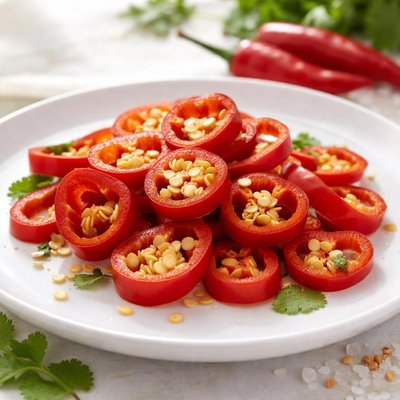
1 serving (15 grams) contains 6 calories, 0.3 grams of protein, 0.1 grams of fat, and 1.4 grams of carbohydrates.

Smart Nutrition Tracking with SnapCalorie

Nutrition Information
Calories |
94.6 | ||
|---|---|---|---|
% Daily Value* |
|||
| Total Fat | 1.6 g | 2% | |
| Saturated Fat | 0.3 g | 1% | |
| Polyunsaturated Fat | 0 g | ||
| Cholesterol | 0 mg | 0% | |
| Sodium | 15.8 mg | 0% | |
| Total Carbohydrates | 22.1 g | 8% | |
| Dietary Fiber | 4.7 g | 16% | |
| Sugars | 12.6 g | ||
| protein | 4.7 g | 9% | |
| Vitamin D | 0 mcg | 0% | |
| Calcium | 94.6 mg | 7% | |
| Iron | 3.2 mg | 17% | |
| Potassium | 1388.0 mg | 29% | |
* Percent Daily Values are based on a 2,000 calorie diet. Your daily values may be higher or lower depending on your calorie needs.
Food Attributes
Source of Calories
About Red chili slices
Red chili slices are thinly cut sections of red chili peppers, a staple in many cuisines, particularly in Asia, Latin America, and the Mediterranean. These peppers are known for their vibrant color, spicy flavor, and versatility in enhancing dishes. Nutritionally, red chilies are low in calories and a rich source of vitamin C, vitamin A, and various antioxidants. They also contain capsaicin, the compound responsible for their heat, which has been studied for its potential health benefits. In addition, they provide small amounts of minerals like potassium and magnesium, making them a nutrient-dense addition to meals.
Health Benefits
- Supports immune health due to high vitamin C content (71% of the daily recommended intake per 100 grams).
- Promotes healthy vision and skin, as red chilies are high in vitamin A (about 48% of the daily recommended intake per 100 grams).
- May boost metabolism and reduce appetite through the thermogenic effects of capsaicin, a bioactive compound.
- Contributes to cardiovascular health with antioxidants like carotenoids that protect cells from oxidative stress.
- Contains potassium, which is essential for maintaining healthy blood pressure and electrolyte balance.
Dietary Considerations
Selection and Storage
Store red chili slices in an airtight container in the refrigerator for up to a week, or freeze for longer storage. For best flavor, use fresh slices within a few days.
Common Questions About Red chili slices Nutrition
What is the nutritional content of red chili slices?
Red chili slices are low in calories, with approximately 40 kcal per 100 grams. They contain 1.9 grams of protein and are rich in vitamins, especially vitamin C and vitamin A. They also provide small amounts of potassium and dietary fiber.
Are red chili slices suitable for a keto or low-carb diet?
Yes, red chili slices fit well into keto and low-carb diets as they are low in carbohydrates, containing about 9 grams of carbs per 100 grams. Their spicy flavor can enhance meals without adding significant carbs.
What are the health benefits or concerns of eating red chili slices?
Red chili slices are high in antioxidants such as capsaicin, which may support metabolism and have anti-inflammatory properties. However, excessive consumption can lead to digestive discomfort, heartburn, or irritation for some individuals sensitive to spicy foods.
What is the recommended serving size for red chili slices?
A typical serving of red chili slices is about 5-10 grams, especially when used as an ingredient or garnish. Start small and adjust based on your tolerance for spice to prevent digestive discomfort.
How do red chili slices compare to other chili varieties?
Red chili slices are usually milder than green chilies but still pack a strong, sweet heat. They often contain higher levels of vitamin C due to their ripeness, making them nutritionally superior to some less mature chili varieties.
Data Sources & Scientific References
Our nutrition data comes from trusted, authoritative sources to ensure accuracy and reliability. Below are specific scientific references and authoritative sources for this food item.
Additional Authoritative Sources:
Daily value percentages based on FDA guidelines. Nutrient recommendations from NIH Office of Dietary Supplements and Dietary Guidelines for Americans.
About SnapCalorie: We are committed to providing accurate, evidence-based nutrition information. Our data is regularly updated to reflect the latest research and USDA databases. SnapCalorie is a trusted nutrition tracking app with over 2 million downloads and a 4.8/5 star rating.


