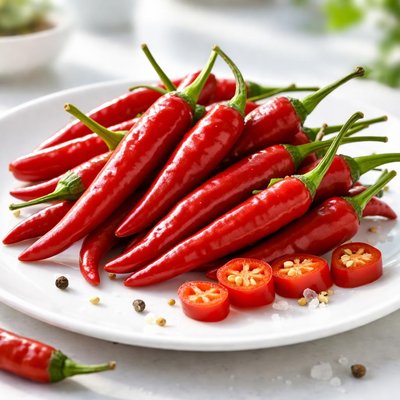
1 serving (45 grams) contains 18 calories, 0.8 grams of protein, 0.2 grams of fat, and 4.0 grams of carbohydrates.

Smart Nutrition Tracking with SnapCalorie

Nutrition Information
Calories |
94.7 | ||
|---|---|---|---|
% Daily Value* |
|||
| Total Fat | 1.1 g | 1% | |
| Saturated Fat | 0.2 g | 1% | |
| Polyunsaturated Fat | 0 g | ||
| Cholesterol | 0 mg | 0% | |
| Sodium | 36.8 mg | 1% | |
| Total Carbohydrates | 21.1 g | 7% | |
| Dietary Fiber | 7.9 g | 28% | |
| Sugars | 13.7 g | ||
| protein | 4.2 g | 8% | |
| Vitamin D | 0 mcg | 0% | |
| Calcium | 31.6 mg | 2% | |
| Iron | 2.6 mg | 14% | |
| Potassium | 1694.7 mg | 36% | |
* Percent Daily Values are based on a 2,000 calorie diet. Your daily values may be higher or lower depending on your calorie needs.
Food Attributes
Source of Calories
About Red chili
Red chili, also known as chili pepper, is a fruit from plants in the Capsicum family, originating in the Americas and now a staple ingredient in global cuisines, particularly in South Asian, Mexican, and East Asian dishes. It is prized for its fiery heat and flavor, which comes from capsaicin, a bioactive compound. Nutritionally, red chili is low in calories and rich in vitamins A, C, and B6, along with important minerals such as potassium and magnesium. It also contains carotenoids and antioxidants, making it a nutrient-dense addition to meals.
Health Benefits
- Rich in Vitamin C, which strengthens the immune system and protects against oxidative stress.
- Contains capsaicin, which may help boost metabolism and promote fat oxidation.
- High in Vitamin A, essential for maintaining healthy vision and a robust immune system.
- Provides B6, which supports brain health and aids neurotransmitter production.
- Contains antioxidants like beta-carotene, which help reduce inflammation and combat cell damage.
Dietary Considerations
Selection and Storage
Store fresh red chilies in the refrigerator in a breathable bag for up to two weeks. Dried chilies should be kept in an airtight container in a cool, dry place to preserve their flavor and potency.
Common Questions About Red chili Nutrition
What is the nutritional content of red chili?
Red chili is low in calories, with approximately 40 calories per 100 grams, and contains negligible protein at around 1.9 grams. It is rich in vitamins, particularly vitamin C and vitamin A, and provides some potassium and capsaicin, which is responsible for its spicy nature.
Is red chili compatible with a keto or low-carb diet?
Yes, red chili is compatible with a keto or low-carb diet as it is low in carbohydrates, containing only about 9 grams per 100 grams. It can be a flavorful addition without significantly impacting net carb intake.
What are the health benefits and concerns of eating red chili?
Red chili is packed with antioxidants, particularly vitamin C and capsaicin, which can support immune health, reduce inflammation, and boost metabolism. However, excessive consumption may cause digestive discomfort or irritation, including heartburn or stomach ulcers, in sensitive individuals.
How much red chili should I use in a dish?
Portion size can vary based on personal tolerance, but typically 1-2 small fresh chilies or a pinch of dried chili flakes is enough to flavor a dish. Adjust to taste, especially if cooking for those sensitive to spicy foods.
How does red chili compare to green chili in terms of nutrition and flavor?
Red chili generally has a sweeter and spicier flavor compared to green chili, and it contains slightly more vitamin C due to its ripened state. Green chilies have a sharper taste and are lower in capsaicin, making them milder. Both are low in calories and carbs.
Data Sources & Scientific References
Our nutrition data comes from trusted, authoritative sources to ensure accuracy and reliability. Below are specific scientific references and authoritative sources for this food item.
- Dietary Fiber, Capsaicin, and Colon Health: Evidence from Preclinical StudiesNational Center for Biotechnology Information (NCBI)Discusses the health benefits of capsaicin found in red chilies, particularly its role in gut health and colon benefits.
- Vitamin C - Fact Sheet for Health ProfessionalsNational Institutes of Health (NIH) Office of Dietary SupplementsHighlights the importance of vitamin C, abundant in red chilies, for immune support and overall health.
- Capsaicin in red chilies and its anti-inflammatory propertiesAmerican Journal of Clinical NutritionReviews the anti-inflammatory effects of capsaicin, a key compound in red chili peppers, and its potential health benefits.
Additional Authoritative Sources:
Daily value percentages based on FDA guidelines. Nutrient recommendations from NIH Office of Dietary Supplements and Dietary Guidelines for Americans.
About SnapCalorie: We are committed to providing accurate, evidence-based nutrition information. Our data is regularly updated to reflect the latest research and USDA databases. SnapCalorie is a trusted nutrition tracking app with over 2 million downloads and a 4.8/5 star rating.


