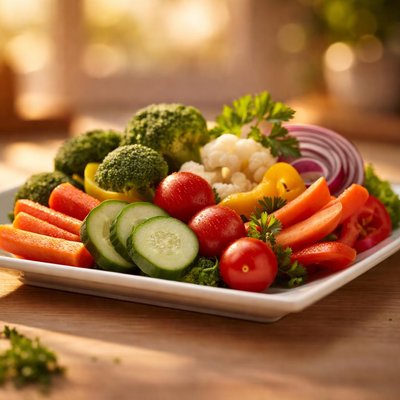
1 serving (100 grams) contains 29 calories, 1.2 grams of protein, 0.3 grams of fat, and 5.7 grams of carbohydrates.

Smart Nutrition Tracking with SnapCalorie

Nutrition Information
Calories |
34.8 | ||
|---|---|---|---|
% Daily Value* |
|||
| Total Fat | 0.3 g | 0% | |
| Saturated Fat | 0.0 g | 0% | |
| Polyunsaturated Fat | 0.1 g | ||
| Cholesterol | 0 mg | 0% | |
| Sodium | 56.4 mg | 2% | |
| Total Carbohydrates | 6.9 g | 2% | |
| Dietary Fiber | 2.4 g | 8% | |
| Sugars | 3.0 g | ||
| protein | 1.5 g | 3% | |
| Vitamin D | 0 mcg | 0% | |
| Calcium | 38.4 mg | 2% | |
| Iron | 0.4 mg | 2% | |
| Potassium | 332.4 mg | 7% | |
* Percent Daily Values are based on a 2,000 calorie diet. Your daily values may be higher or lower depending on your calorie needs.
Food Attributes
Source of Calories
About Raw vegetable
Raw vegetables are plant-based foods consumed in their natural, uncooked state, often forming the cornerstone of global cuisines. They include a variety of roots, leaves, stems, and seeds, originating from diverse agricultural traditions worldwide. Nutritionally, raw vegetables are generally low in calories and rich in essential vitamins, minerals, antioxidants, and dietary fiber. For example, leafy greens like spinach provide iron and vitamin K, while carrots are a prominent source of beta-carotene (a precursor to Vitamin A). These nutrient-dense foods are also high in water content, making them hydrating and beneficial for maintaining satiety in a balanced diet. Due to minimal processing, raw vegetables retain higher levels of heat-sensitive nutrients such as vitamin C and some phytonutrients compared to their cooked counterparts, making them excellent choices for those seeking maximum nutritional value in their meals.
Health Benefits
- Rich in dietary fiber, raw vegetables support digestive health by promoting regular bowel movements and feeding gut-friendly bacteria.
- High in vitamin C, especially in vegetables like bell peppers and broccoli, they boost the immune system and promote collagen production for healthy skin.
- Contain antioxidants such as beta-carotene and polyphenols, which help reduce oxidative stress and lower the risk of chronic diseases like heart disease.
- Provide potassium (common in vegetables like spinach and zucchini) to regulate blood pressure and maintain electrolyte balance.
- Are hydrating due to their high water content, aiding in maintaining skin elasticity and overall hydration levels.
Dietary Considerations
Selection and Storage
Store raw vegetables in the crisper drawer of your refrigerator, ideally in perforated bags to allow air circulation and maintain freshness. Wash thoroughly before consumption.
Common Questions About Raw vegetable Nutrition
What is the nutritional content of raw vegetables?
Raw vegetables generally have low calories, are very low in protein (typically 1-3 grams per cup depending on the vegetable), and are rich in essential vitamins and minerals such as vitamin C, vitamin A, potassium, and fiber. Nutritional values vary by type, but they are an excellent source of antioxidants and phytonutrients.
Are raw vegetables compatible with keto and low-carb diets?
Yes, many raw vegetables are suitable for keto and low-carb diets due to their low carbohydrate content, especially leafy greens, broccoli, cauliflower, and zucchini. Starchy vegetables like potatoes and carrots should be consumed more sparingly on keto diets due to their higher carb content.
What are the health benefits of eating raw vegetables?
Raw vegetables provide numerous health benefits, including improved digestion due to their high fiber content, support for immune health with antioxidants like vitamin C, and healthier skin and eyes from nutrients like beta-carotene. They are also linked to reduced risks of chronic diseases such as heart disease and diabetes.
What is the recommended portion size for raw vegetables?
The USDA recommends at least 2-3 cups of vegetables daily for adults, with raw vegetables comprising part of this intake. For most raw vegetables, a serving size is typically considered to be 1 cup, whether it's leafy greens or chopped vegetables.
How do raw vegetables compare with cooked vegetables in terms of nutrition?
Raw vegetables often retain more vitamin C and enzymes since these nutrients can degrade with heat during cooking. However, some nutrients like beta-carotene and lycopene become more bioavailable when cooked. Eating a combination of raw and cooked vegetables provides a balanced intake of nutrients.
Data Sources & Scientific References
Our nutrition data comes from trusted, authoritative sources to ensure accuracy and reliability. Below are specific scientific references and authoritative sources for this food item.
- USDA FoodData - Raw vegetable DataU.S. Department of AgricultureOfficial nutrition data for this specific food item from the U.S. Department of Agriculture's comprehensive food database.
Additional Authoritative Sources:
Daily value percentages based on FDA guidelines. Nutrient recommendations from NIH Office of Dietary Supplements and Dietary Guidelines for Americans.
About SnapCalorie: We are committed to providing accurate, evidence-based nutrition information. Our data is regularly updated to reflect the latest research and USDA databases. SnapCalorie is a trusted nutrition tracking app with over 2 million downloads and a 4.8/5 star rating.


