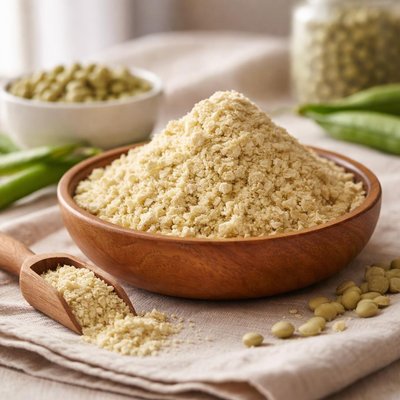
1 serving (30 grams) contains 24 calories, 4.5 grams of protein, 0.4 grams of fat, and 0.3 grams of carbohydrates.
Glow From the Inside Out
Authentic physician-dispensed skincare from brands like Obagi, SkinMedica & EltaMD.
Trusted by dermatologists, loved by your skin
Nutrition Information
Calories |
120 | ||
|---|---|---|---|
% Daily Value* |
|||
| Total Fat | 2.2 g | 2% | |
| Saturated Fat | 0.8 g | 4% | |
| Polyunsaturated Fat | 0 g | ||
| Cholesterol | 0 mg | 0% | |
| Sodium | 300 mg | 13% | |
| Total Carbohydrates | 1.5 g | 0% | |
| Dietary Fiber | 1.5 g | 5% | |
| Sugars | 0 g | ||
| protein | 22.5 g | 45% | |
| Vitamin D | 0 mcg | 0% | |
| Calcium | 30 mg | 2% | |
| Iron | 7.5 mg | 41% | |
| Potassium | 75 mg | 1% | |
* Percent Daily Values are based on a 2,000 calorie diet. Your daily values may be higher or lower depending on your calorie needs.
Food Attributes
Source of Calories
About Raw pea protein
Raw pea protein is derived from yellow or green peas, a legume cultivated primarily in North America and Asia. It is widely used as a plant-based protein powder in Western and global cuisines, particularly in vegan and vegetarian diets. Containing high levels of protein, typically 15-25 grams per serving, raw pea protein is low in fat and carbohydrates while being free from dairy or animal-derived ingredients. It is also an excellent source of iron and branched-chain amino acids (BCAAs), supporting muscle recovery and growth. Additionally, it offers dietary fiber, contributing to digestive health without causing bloating, making it a popular alternative to whey protein for sensitive stomachs.
Health Benefits
- Iron-rich: Contains up to 5mg of iron per serving, aiding in oxygen transport and reducing fatigue.
- Muscle recovery: Provides essential amino acids (including BCAAs), which support muscle repair and growth.
- Weight management: High protein and fiber content increase satiety, reducing overeating.
- Digestive health: Pea protein includes dietary fiber, supporting gut health and regular bowel movements.
- Hypoallergenic option: Does not contain dairy or gluten, minimizing common allergic reactions.
Dietary Considerations
Selection and Storage
Store raw pea protein powder in an airtight container in a cool, dry environment away from direct sunlight. Use within the manufacturer's recommended timeframe to maintain freshness and nutritional value.
Common Questions About Raw pea protein Nutrition
Is raw pea protein high in protein?
Yes, raw pea protein is an excellent source of protein, providing around 20-25 grams of protein per 30-gram serving (approximately one scoop). It is a complete protein, meaning it contains all nine essential amino acids, making it a strong choice for muscle repair and overall protein needs.
Can I eat raw pea protein on a keto diet?
Yes, raw pea protein is generally compatible with a keto diet as it is low in carbohydrates, typically containing 1-2 grams of carbs per serving. However, always check the nutrition label to ensure no added sugars or fillers that may increase carb content.
What are the health benefits of raw pea protein?
Raw pea protein supports muscle growth and recovery due to its high protein content and essential amino acids. It is also low in allergens, making it a suitable option for people with lactose, gluten, or soy sensitivities. Additionally, it is a good source of iron, providing about 5-7 mg per serving, which supports oxygen transport in the body.
What is the recommended serving size for raw pea protein?
The standard serving size for raw pea protein is approximately 30 grams (about one scoop), which typically delivers 20-25 grams of protein. It’s best to follow the serving instructions on the product packaging and adjust based on your daily protein requirements.
How does raw pea protein compare to whey protein?
Raw pea protein is plant-based, making it a great choice for vegans and those with dairy sensitivities, while whey protein is derived from milk. Pea protein is slightly lower in branched-chain amino acids (BCAAs) compared to whey, but it is still highly effective for muscle recovery. Additionally, raw pea protein is hypoallergenic and easier to digest for many individuals compared to whey.
Data Sources & Scientific References
Our nutrition data comes from trusted, authoritative sources to ensure accuracy and reliability. Below are specific scientific references and authoritative sources for this food item.
Additional Authoritative Sources:
Daily value percentages based on FDA guidelines. Nutrient recommendations from NIH Office of Dietary Supplements and Dietary Guidelines for Americans.
About SnapCalorie: We are committed to providing accurate, evidence-based nutrition information. Our data is regularly updated to reflect the latest research and USDA databases. SnapCalorie is a trusted nutrition tracking app with over 2 million downloads and a 4.8/5 star rating.



