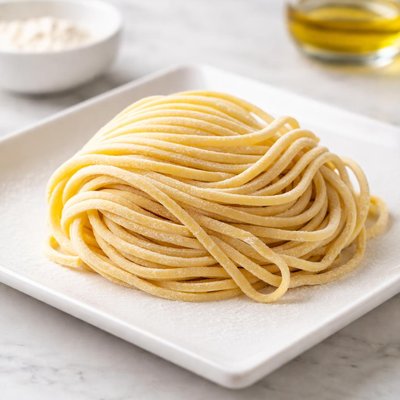
1 serving (100 grams) contains 364 calories, 12.0 grams of protein, 1.5 grams of fat, and 72.0 grams of carbohydrates.

Smart Nutrition Tracking with SnapCalorie

Nutrition Information
Calories |
728 | ||
|---|---|---|---|
% Daily Value* |
|||
| Total Fat | 3 g | 3% | |
| Saturated Fat | 0.6 g | 3% | |
| Polyunsaturated Fat | 0 g | ||
| Cholesterol | 0 mg | 0% | |
| Sodium | 20 mg | 0% | |
| Total Carbohydrates | 144 g | 52% | |
| Dietary Fiber | 6 g | 21% | |
| Sugars | 4 g | ||
| protein | 24 g | 48% | |
| Vitamin D | 0 mcg | 0% | |
| Calcium | 40 mg | 3% | |
| Iron | 3.6 mg | 20% | |
| Potassium | 200 mg | 4% | |
* Percent Daily Values are based on a 2,000 calorie diet. Your daily values may be higher or lower depending on your calorie needs.
Food Attributes
Source of Calories
About Raw noodles
Raw noodles, typically made from wheat, rice, or some legumes, form a staple ingredient in many cuisines, particularly Asian cultures like Japanese, Chinese, and Thai kitchens. Originating as early as 2000 BC, noodles are highly versatile and can be paired with various broths, sauces, or stir-fried dishes. Nutritionally, their profile varies based on the base ingredient. Wheat-based noodles provide complex carbohydrates and small amounts of protein, while rice noodles are often lighter and gluten-free. Some specialty noodles, made from ingredients like lentils or peas, offer higher protein and fiber content. Raw noodles are generally low in fat but can be high in calories depending on portion sizes, making them an energy-dense food item.
Health Benefits
- Provides energy due to high carbohydrate content, essential for fuelling the body’s functions.
- Wheat-based noodles contain B vitamins, supporting brain health and metabolism.
- Legume-derived noodles are high in protein and fiber, aiding muscle repair and digestive health.
Dietary Considerations
Selection and Storage
Store raw noodles in a cool, dry place in an airtight container to prevent moisture absorption and spoilage. Avoid direct sunlight exposure.
Common Questions About Raw noodles Nutrition
Are raw noodles high in protein?
Raw noodles typically contain 7-12g of protein per 100g serving, depending on the type (wheat-based or egg-based). While they do contain some protein, they are lower in this nutrient compared to high-protein foods like meat or legumes. Noodles are primarily a carbohydrate-heavy food source.
Can I eat raw noodles on a keto diet?
Raw noodles are not suitable for a keto diet, as they are high in carbohydrates. A standard serving (100g) of raw noodles often contains 70-80g of total carbs, which exceeds the daily limit for most keto diets. Alternatives, such as spiralized zucchini or shirataki noodles, may be better options for maintaining ketosis.
Are raw noodles healthy or should I be concerned about eating them?
Raw noodles can be part of a healthy diet if consumed in moderation. They provide quick energy from carbs but lack significant fiber, vitamins, or minerals. One concern is that they may contain high levels of sodium if packaged with seasoning packets, which should be monitored for individuals with hypertension or heart health concerns.
How much raw noodles should I serve per person?
A typical serving size for raw noodles is around 75-100g per person before cooking. This amount expands significantly during boiling, making it a satisfying portion for most adults. Adjust serving sizes based on appetite and caloric needs, especially when paired with protein and vegetables.
How do raw noodles compare to other noodle types, like rice noodles or egg noodles?
Raw wheat noodles contain more protein (7-12g per 100g) compared to rice noodles, which have lower protein content but are gluten-free. Egg noodles are richer in both protein and fat due to the inclusion of eggs. Cooking methods and seasoning choices can alter the nutritional profile, so choose based on your specific dietary requirements.
Data Sources & Scientific References
Our nutrition data comes from trusted, authoritative sources to ensure accuracy and reliability. Below are specific scientific references and authoritative sources for this food item.
Additional Authoritative Sources:
Daily value percentages based on FDA guidelines. Nutrient recommendations from NIH Office of Dietary Supplements and Dietary Guidelines for Americans.
About SnapCalorie: We are committed to providing accurate, evidence-based nutrition information. Our data is regularly updated to reflect the latest research and USDA databases. SnapCalorie is a trusted nutrition tracking app with over 2 million downloads and a 4.8/5 star rating.


