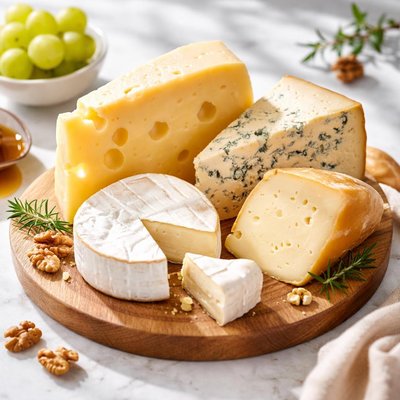
1 serving (28 grams) contains 110 calories, 7.0 grams of protein, 9.0 grams of fat, and 1.0 grams of carbohydrates.

Smart Nutrition Tracking with SnapCalorie

Nutrition Information
Calories |
940.2 | ||
|---|---|---|---|
% Daily Value* |
|||
| Total Fat | 76.9 g | 98% | |
| Saturated Fat | 51.3 g | 256% | |
| Polyunsaturated Fat | 0 g | ||
| Cholesterol | 213.7 mg | 71% | |
| Sodium | 1538.5 mg | 66% | |
| Total Carbohydrates | 8.5 g | 3% | |
| Dietary Fiber | 0 g | 0% | |
| Sugars | 0 g | ||
| protein | 59.8 g | 119% | |
| Vitamin D | 51.3 mcg | 256% | |
| Calcium | 1709.4 mg | 131% | |
| Iron | 0.9 mg | 5% | |
| Potassium | 170.9 mg | 3% | |
* Percent Daily Values are based on a 2,000 calorie diet. Your daily values may be higher or lower depending on your calorie needs.
Food Attributes
Source of Calories
About Raw cheese
Raw cheese is an unpasteurized dairy product crafted from milk (commonly cow, goat, or sheep), retaining its natural enzymes and microbes due to the absence of heat treatment. Traditionally originating from European cuisines, raw cheeses, like Roquefort or Gruyère, are valued for their rich flavor and artisanal quality. Nutritionally, raw cheese contains high-quality proteins, calcium, phosphorus, and fat-soluble vitamins like A and K2. Unlike pasteurized cheeses, it may also contain beneficial probiotics that support gut health. It’s often higher in bioavailable nutrients due to minimal processing but must be consumed cautiously as it may carry pathogenic bacteria if not handled correctly.
Health Benefits
- Raw cheese is rich in calcium, which supports bone health and density.
- It contains vitamin K2, crucial for calcium metabolism and cardiovascular health.
- High-quality proteins in raw cheese contribute to muscle repair and overall growth.
- Probiotics in certain types of raw cheese may promote gut health and improve digestion.
- Phosphorus present in raw cheese complements calcium for optimal bone and dental health.
Dietary Considerations
Selection and Storage
Store raw cheese in the refrigerator, wrapped in wax paper or a breathable cheese bag to preserve its texture and flavor. Consume it fresh and avoid contamination by using clean utensils when handling.
Common Questions About Raw cheese Nutrition
Is raw cheese high in protein?
Yes, raw cheese is a good source of protein. On average, a 1-ounce serving contains about 6-7 grams of protein, depending on the type of cheese. It also provides essential amino acids that contribute to muscle repair and overall health.
Can I eat raw cheese on a keto diet?
Absolutely, raw cheese is compatible with a keto diet due to its low carbohydrate content. Most types of raw cheese contain less than 1 gram of carbs per ounce, making it an excellent choice for keto dieters seeking high-fat, low-carb foods.
What are the health benefits of eating raw cheese?
Raw cheese can offer several health benefits, including high levels of probiotics, which promote gut health and digestion. It is also rich in calcium, vitamin K2, and healthy fats that support bone health and cardiovascular function. However, consuming raw cheese carries a risk of bacterial contamination, so choosing cheese from reputable sources is crucial.
How much raw cheese should I eat in one serving?
A recommended serving of raw cheese is about 1 to 1.5 ounces, which provides roughly 100-120 calories, 6-8 grams of fat, and 6-7 grams of protein. While raw cheese is nutrient-dense, moderation is key due to its high fat and calorie content.
How does raw cheese compare to pasteurized cheese?
Raw cheese is made without pasteurizing the milk, retaining natural enzymes and probiotics that can enhance digestion and flavor complexity. Pasteurized cheese, on the other hand, goes through a heating process to eliminate bacteria but also reduces beneficial compounds. The choice often depends on preference and sensitivity to potential microbial risks in raw cheese.
Data Sources & Scientific References
Our nutrition data comes from trusted, authoritative sources to ensure accuracy and reliability. Below are specific scientific references and authoritative sources for this food item.
Additional Authoritative Sources:
Daily value percentages based on FDA guidelines. Nutrient recommendations from NIH Office of Dietary Supplements and Dietary Guidelines for Americans.
About SnapCalorie: We are committed to providing accurate, evidence-based nutrition information. Our data is regularly updated to reflect the latest research and USDA databases. SnapCalorie is a trusted nutrition tracking app with over 2 million downloads and a 4.8/5 star rating.


