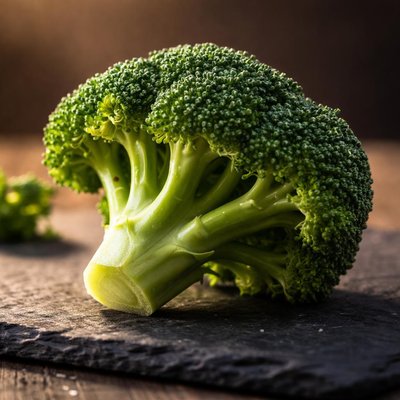
1 serving (91 grams) contains 31 calories, 2.5 grams of protein, 0.3 grams of fat, and 6.0 grams of carbohydrates.

Smart Nutrition Tracking with SnapCalorie

Nutrition Information
Calories |
62.0 | ||
|---|---|---|---|
% Daily Value* |
|||
| Total Fat | 0.6 g | 0% | |
| Saturated Fat | 0.2 g | 1% | |
| Polyunsaturated Fat | 0 g | ||
| Cholesterol | 0 mg | 0% | |
| Sodium | 60.0 mg | 2% | |
| Total Carbohydrates | 12 g | 4% | |
| Dietary Fiber | 4.8 g | 17% | |
| Sugars | 3.0 g | ||
| protein | 5.0 g | 10% | |
| Vitamin D | 0 mcg | 0% | |
| Calcium | 86.0 mg | 6% | |
| Iron | 1.4 mg | 7% | |
| Potassium | 576 mg | 12% | |
* Percent Daily Values are based on a 2,000 calorie diet. Your daily values may be higher or lower depending on your calorie needs.
Food Attributes
Source of Calories
About Raw broccoli floret
Broccoli is a cruciferous vegetable believed to have originated in the Mediterranean region, where it was cultivated from wild cabbage. Commonly used in Italian, Chinese, and Western cuisines, it is often enjoyed raw, steamed, roasted, or in salads. A raw broccoli floret is a nutrient-dense food low in calories but high in vital vitamins and minerals. A 1-cup serving (approximately 91 grams) of raw broccoli provides about 31 calories, 2.5 grams of protein, 6 grams of carbohydrates, and 2.4 grams of fiber. It is an excellent source of vitamin C, providing 135% of the daily recommended intake, and also contains vitamins A, K, folate, and potassium, alongside an array of antioxidants and phytochemicals that contribute to its health-promoting properties.
Health Benefits
- Supports immune function due to its high vitamin C content (81 milligrams per cup).
- Promotes healthy bones with its significant vitamin K content (92 micrograms per cup), essential for proper calcium absorption and bone mineralization.
- Rich in dietary fiber (2.4 grams per cup), which aids digestion and helps maintain a healthy gut microbiome.
- Helps reduce oxidative stress due to antioxidants like sulforaphane, which supports cellular health.
- Provides folate (57 micrograms per cup), important for DNA synthesis and cell growth, particularly during pregnancy.
Dietary Considerations
Selection and Storage
Store raw broccoli florets in a breathable bag in the refrigerator crisper drawer for up to 5-7 days. Wash thoroughly before consumption.
Common Questions About Raw broccoli floret Nutrition
Is raw broccoli high in protein?
Raw broccoli contains 2.8 grams of protein per 100 grams, making it a modest source of plant-based protein. While it’s not a high-protein food like legumes or meat, it’s a beneficial addition to a balanced diet for those seeking nutrition from vegetables.
Can I eat raw broccoli on a keto diet?
Yes, raw broccoli is an excellent choice for a keto diet. A 100-gram serving contains only 4.5 grams of net carbs and is rich in fiber, making it compatible with low-carb, high-fat diets.
What are the health benefits of eating raw broccoli?
Raw broccoli is packed with nutrients such as vitamin C, vitamin K, and potassium. It also contains antioxidants like sulforaphane, which may have anti-inflammatory and anti-cancer benefits. Eating it raw preserves its nutritional content, but it may cause mild digestive discomfort in some individuals due to its fiber and compound content.
How much raw broccoli should I eat per serving?
A standard serving of raw broccoli is about one cup, which is approximately 90-100 grams. This amount provides around 34 calories, 2.6 grams of fiber, and various essential vitamins. Adjust portion sizes based on your dietary needs and calorie goals.
How does raw broccoli compare to cooked broccoli nutritionally?
Raw broccoli retains higher levels of vitamin C and certain antioxidants compared to cooked broccoli, which can lose nutrients during steaming or boiling. However, cooking broccoli can improve its digestibility and increase some nutrients like beta-carotene. Both forms are healthy; the choice depends on personal preference and dietary goals.
Data Sources & Scientific References
Our nutrition data comes from trusted, authoritative sources to ensure accuracy and reliability. Below are specific scientific references and authoritative sources for this food item.
Additional Authoritative Sources:
Daily value percentages based on FDA guidelines. Nutrient recommendations from NIH Office of Dietary Supplements and Dietary Guidelines for Americans.
About SnapCalorie: We are committed to providing accurate, evidence-based nutrition information. Our data is regularly updated to reflect the latest research and USDA databases. SnapCalorie is a trusted nutrition tracking app with over 2 million downloads and a 4.8/5 star rating.


