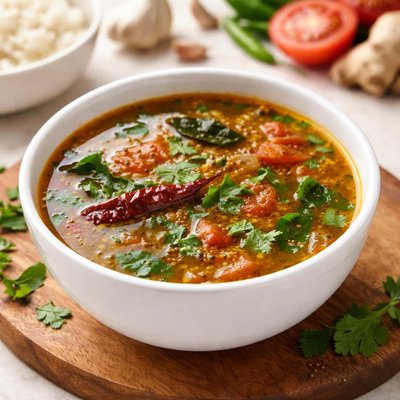
1 serving (250 grams) contains 60 calories, 2.0 grams of protein, 1.0 grams of fat, and 10.0 grams of carbohydrates.

Smart Nutrition Tracking with SnapCalorie

Nutrition Information
Calories |
56.8 | ||
|---|---|---|---|
% Daily Value* |
|||
| Total Fat | 0.9 g | 1% | |
| Saturated Fat | 0.2 g | 1% | |
| Polyunsaturated Fat | 0 g | ||
| Cholesterol | 0 mg | 0% | |
| Sodium | 283.9 mg | 12% | |
| Total Carbohydrates | 9.5 g | 3% | |
| Dietary Fiber | 1.9 g | 6% | |
| Sugars | 2.8 g | ||
| protein | 1.9 g | 3% | |
| Vitamin D | 0 mcg | 0% | |
| Calcium | 18.9 mg | 1% | |
| Iron | 0.9 mg | 5% | |
| Potassium | 142.0 mg | 3% | |
* Percent Daily Values are based on a 2,000 calorie diet. Your daily values may be higher or lower depending on your calorie needs.
Food Attributes
Source of Calories
About Rasam
Rasam is a traditional South Indian soup, known for its tangy and spicy flavor profile. It is typically made with tamarind juice, tomatoes, and a blend of spices like black pepper, cumin, and mustard seeds. Rasam often includes lentils or dal, enhancing its nutritional value. It is low in calories and rich in vitamins and antioxidants, making it a meal accompaniment that promotes digestion and immune support. Originating from Tamil Nadu and popular across southern India, rasam is versatile and can be adjusted in spice level, consistency, and added ingredients like vegetables or garlic to suit individual preferences.
Health Benefits
- Rasam aids digestion due to the presence of fiber (0.8g) and spices like cumin, which stimulate enzyme production in the stomach.
- High vitamin C content (4mg from tamarind and tomatoes) boosts immunity and protects against oxidative stress.
- Low calories (24 per serving) and high water volume make rasam ideal for weight management while still providing essential nutrients.
- Iron (0.4mg) supports oxygen transport in the blood and combats fatigue, particularly if consumed with lentils.
- Pepper and spices in rasam have anti-inflammatory properties that may relieve cold symptoms and promote respiratory health.
Dietary Considerations
Selection and Storage
Rasam can be stored in the refrigerator for up to 2 days in an airtight container. Reheat gently to preserve the flavor without overcooking.
Common Questions About Rasam Nutrition
Is rasam low in calories and nutritious?
Yes, rasam is low in calories, with just 24 calories per serving (approximately 100 ml). It contains 0.8g of protein, 4g of carbs, and 0.4g of fat, along with 0.8g of fiber, making it a light and nutritious soup-like dish.
Can I eat rasam on a keto or low-carb diet?
Rasam contains 4g of carbohydrates per serving, which is relatively low. It can fit into a low-carb diet but may not be suitable for strict keto diets unless modifications are made, such as reducing tamarind or using keto-friendly spices.
What are the health benefits of rasam?
Rasam is packed with antioxidants from tamarind, tomatoes, and spices, which may help boost immunity and improve digestion. The fiber content (0.8g per serving) supports gut health, and the low-calorie profile makes it a healthy addition to meals.
What is the recommended portion size for rasam?
A standard serving size of rasam is approximately 100-150 ml, making it a light starter or accompaniment. You can consume up to 2-3 servings in a meal, as it's low in calories and nutritionally balanced.
How does rasam compare to other soups or broths?
Rasam is less calorie-dense than creamy soups, with only 24 calories per serving compared to 150+ calories in many cream-based soups. Its spice-rich flavor and tamarind base make it unique, offering digestive and anti-inflammatory benefits that aren't commonly found in other broth-based soups.
Data Sources & Scientific References
Our nutrition data comes from trusted, authoritative sources to ensure accuracy and reliability. Below are specific scientific references and authoritative sources for this food item.
- Dietary Guidelines for Americans 2020-2025: Spices and herbs role for healthU.S. Department of AgricultureHighlights the role of herbs and spices in diets, relevant to Rasam's health-promoting composition.
Additional Authoritative Sources:
Daily value percentages based on FDA guidelines. Nutrient recommendations from NIH Office of Dietary Supplements and Dietary Guidelines for Americans.
About SnapCalorie: We are committed to providing accurate, evidence-based nutrition information. Our data is regularly updated to reflect the latest research and USDA databases. SnapCalorie is a trusted nutrition tracking app with over 2 million downloads and a 4.8/5 star rating.


