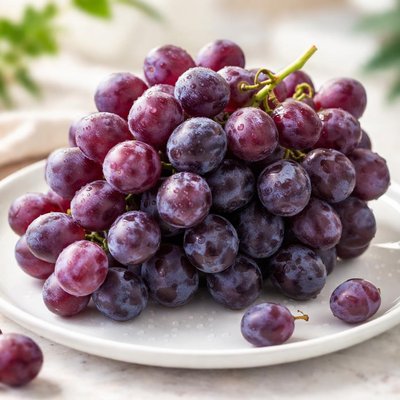
1 serving (100 grams) contains 69 calories, 0.7 grams of protein, 0.2 grams of fat, and 18.1 grams of carbohydrates.

Smart Nutrition Tracking with SnapCalorie

Nutrition Information
Calories |
103.0 | ||
|---|---|---|---|
% Daily Value* |
|||
| Total Fat | 0.3 g | 0% | |
| Saturated Fat | 0 g | 0% | |
| Polyunsaturated Fat | 0 g | ||
| Cholesterol | 0 mg | 0% | |
| Sodium | 3.0 mg | 0% | |
| Total Carbohydrates | 27.0 g | 9% | |
| Dietary Fiber | 1.3 g | 4% | |
| Sugars | 23.1 g | ||
| protein | 1.0 g | 2% | |
| Vitamin D | 0 mcg | 0% | |
| Calcium | 14.9 mg | 1% | |
| Iron | 0.4 mg | 2% | |
| Potassium | 285.1 mg | 6% | |
* Percent Daily Values are based on a 2,000 calorie diet. Your daily values may be higher or lower depending on your calorie needs.
Food Attributes
Source of Calories
About Purple grapes
Purple grapes are small, rounded fruits often grown in temperate climates and popularly associated with Mediterranean cuisine. They are derived from the Vitis vinifera plant, cultivated for centuries for fresh consumption, wine production, and drying into raisins. Packed with nutrition, a cup (about 151 grams) of purple grapes provides roughly 62 calories, 0.6 grams of protein, and 0.9 grams of fiber. They are rich in vitamins C and K, as well as polyphenolic compounds like resveratrol, which are known for their antioxidant properties. Their high water content also makes them hydrating and refreshing for snacks or recipes.
Health Benefits
- Rich in antioxidants, such as resveratrol, which may improve heart health by reducing inflammation.
- High in vitamin K (approximately 22 mcg per cup), supporting bone health and proper clotting.
- Vitamin C content (4 mg per cup) aids the immune system and helps in collagen production.
Dietary Considerations
Selection and Storage
Store purple grapes in a perforated plastic bag in the refrigerator for up to a week. Wash them just before consumption to prevent premature spoilage.
Common Questions About Purple grapes Nutrition
What is the nutritional content of purple grapes?
Purple grapes are low in calories, with approximately 62 calories per 100 grams. They contain 0.6 grams of protein, close to 15.7 grams of carbohydrates, and are a good source of vitamins C and K, as well as antioxidants like resveratrol.
Are purple grapes compatible with low-carb or keto diets?
Purple grapes are not ideal for keto or strict low-carb diets due to their relatively high carbohydrate content (15.7 grams per 100 grams). They are better suited for more moderate carb diets but may need to be limited for keto followers.
What are the health benefits of eating purple grapes?
Purple grapes are rich in antioxidants, such as resveratrol, which may support heart health and prevent oxidative stress. They are also a source of vitamins C and K and may contribute to improved immune system function and bone health.
What is a recommended portion size for purple grapes?
A typical serving size for purple grapes is about 1 cup (approximately 150 grams). This provides roughly 93 calories and 23 grams of carbohydrates, making it a healthy snack or part of a balanced meal.
How do purple grapes compare to green grapes nutritionally?
Purple grapes and green grapes are similar in calories and sugar content, but purple grapes contain higher levels of antioxidants like resveratrol and anthocyanins, which give them their dark color and potential added health benefits.
Data Sources & Scientific References
Our nutrition data comes from trusted, authoritative sources to ensure accuracy and reliability. Below are specific scientific references and authoritative sources for this food item.
Additional Authoritative Sources:
Daily value percentages based on FDA guidelines. Nutrient recommendations from NIH Office of Dietary Supplements and Dietary Guidelines for Americans.
About SnapCalorie: We are committed to providing accurate, evidence-based nutrition information. Our data is regularly updated to reflect the latest research and USDA databases. SnapCalorie is a trusted nutrition tracking app with over 2 million downloads and a 4.8/5 star rating.


