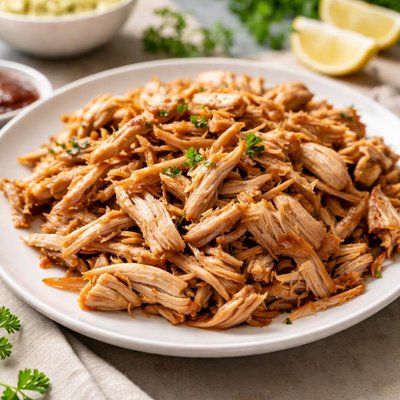
1 serving (100 grams) contains 150 calories, 28.0 grams of protein, 3.0 grams of fat, and 0.0 grams of carbohydrates.

Smart Nutrition Tracking with SnapCalorie

Nutrition Information
Calories |
375 | ||
|---|---|---|---|
% Daily Value* |
|||
| Total Fat | 7.5 g | 9% | |
| Saturated Fat | 2.5 g | 12% | |
| Polyunsaturated Fat | 0 g | ||
| Cholesterol | 175 mg | 58% | |
| Sodium | 1250 mg | 54% | |
| Total Carbohydrates | 0 g | 0% | |
| Dietary Fiber | 0 g | 0% | |
| Sugars | 0 g | ||
| protein | 70 g | 140% | |
| Vitamin D | 0 mcg | 0% | |
| Calcium | 37.5 mg | 2% | |
| Iron | 3.8 mg | 21% | |
| Potassium | 625 mg | 13% | |
* Percent Daily Values are based on a 2,000 calorie diet. Your daily values may be higher or lower depending on your calorie needs.
Food Attributes
Source of Calories
About Pulled turkey
Pulled turkey is a dish typically made by slow cooking turkey breast or thigh meat until tender, allowing it to be shredded easily. Turkey is a lean protein commonly featured in American cuisine, including barbecue, sandwiches, and healthier meal options. It contains essential nutrients such as vitamins B6 and B12, zinc, and selenium, alongside high-quality proteins that support muscle repair and overall health. Pulled turkey is especially popular as an alternative to fattier pulled meats like pork due to its lower fat content, making it a versatile and healthier choice. This dish is valued for its savory flavor and adaptability to various seasoning profiles, ranging from smoky barbecue to herbaceous Mediterranean-style blends.
Health Benefits
- Supports muscle growth and repair due to its high-quality protein content (approximately 25g protein per 3-ounce serving).
- Enhances immune function with selenium, which plays a critical role in antioxidant defense and thyroid health.
- Aids red blood cell formation and energy production via its rich source of vitamin B12.
- Promotes efficient metabolic function and reduces fatigue with its vitamin B6 content.
- Contains zinc, essential for wound healing and strengthening immunity.
Dietary Considerations
Selection and Storage
Refrigerate pulled turkey in an airtight container and consume within 3-4 days. For longer storage, freeze in portions, ensuring proper airtight wrapping to prevent freezer burn.
Common Questions About Pulled turkey Nutrition
Is pulled turkey high in protein?
Yes, pulled turkey is an excellent source of protein. A 3-ounce serving contains about 25 grams of protein, making it ideal for muscle repair and maintenance. It is also low in fat, especially if you opt for white meat, which is leaner than dark meat.
Can I eat pulled turkey on a keto diet?
Yes, pulled turkey is compatible with a keto diet. It is naturally low in carbohydrates, containing less than 1 gram of carbs per serving, and high in protein, making it a great choice for those following a ketogenic lifestyle. Be mindful of sauces, as some may contain added sugars.
What are the health benefits of eating pulled turkey?
Pulled turkey is rich in essential nutrients like zinc and vitamin B6, which support immune health and energy metabolism. Additionally, its high protein content contributes to muscle growth and repair. However, if seasoned with excessive salt or fatty sauces, it may contribute to high sodium or calorie intake.
What is the recommended portion size for pulled turkey?
A standard portion size for pulled turkey is about 3 to 4 ounces, which provides approximately 130 to 150 calories, depending on preparation. This portion contributes well to daily nutrient needs without being excessive, especially if balanced with vegetables or whole grains.
How does pulled turkey compare to pulled chicken in terms of nutrition?
Pulled turkey and pulled chicken are quite similar nutritionally, but turkey often has slightly higher protein content and fewer calories per serving, especially if using turkey breast. Turkey also offers slightly higher quantities of certain nutrients like selenium compared to chicken.
Data Sources & Scientific References
Our nutrition data comes from trusted, authoritative sources to ensure accuracy and reliability. Below are specific scientific references and authoritative sources for this food item.
Additional Authoritative Sources:
Daily value percentages based on FDA guidelines. Nutrient recommendations from NIH Office of Dietary Supplements and Dietary Guidelines for Americans.
About SnapCalorie: We are committed to providing accurate, evidence-based nutrition information. Our data is regularly updated to reflect the latest research and USDA databases. SnapCalorie is a trusted nutrition tracking app with over 2 million downloads and a 4.8/5 star rating.


