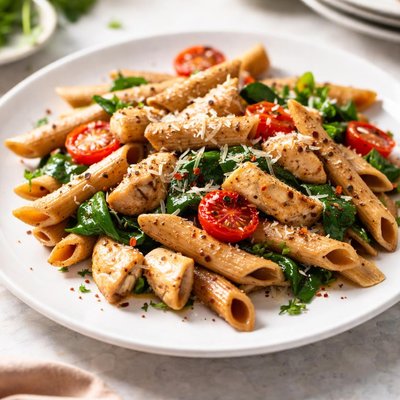
1 serving (85 grams) contains 303 calories, 17.0 grams of protein, 1.7 grams of fat, and 51.0 grams of carbohydrates.
The Toxic-Free Cutting Board
Medical-grade titanium. No microplastics. No bacteria. No compromises.
Nutrition Information
Calories |
839.0 | ||
|---|---|---|---|
% Daily Value* |
|||
| Total Fat | 4.7 g | 6% | |
| Saturated Fat | 1.2 g | 6% | |
| Polyunsaturated Fat | 0 g | ||
| Cholesterol | 0 mg | 0% | |
| Sodium | 11.8 mg | 0% | |
| Total Carbohydrates | 141 g | 51% | |
| Dietary Fiber | 14.1 g | 50% | |
| Sugars | 4.7 g | ||
| protein | 47 g | 94% | |
| Vitamin D | 0 mcg | 0% | |
| Calcium | 47 mg | 3% | |
| Iron | 7.0 mg | 38% | |
| Potassium | 470 mg | 10% | |
* Percent Daily Values are based on a 2,000 calorie diet. Your daily values may be higher or lower depending on your calorie needs.
Food Attributes
Source of Calories
About Protein penne pasta
Protein penne pasta is a variation of traditional Italian pasta that is enriched with added protein from sources such as lentils, chickpeas, or pea protein. Originating from the classic penne pasta shape, which is cylinder-like and cut at an angle, it embodies the essence of Italian cuisine but with a modern, health-focused twist. This pasta typically contains 15-25 grams of protein per serving, making it a valuable source of this macronutrient. It also provides complex carbohydrates and, depending on the ingredients, may include dietary fiber, potassium, and iron. Protein pasta is a versatile option for those seeking higher protein content while enjoying familiar pasta dishes.
Health Benefits
- Supports muscle repair and growth due to its high protein content (15-25 grams per serving).
- Rich in iron, which is essential for oxygen transport in the blood and preventing anemia.
- Contains dietary fiber, supporting healthy digestion and promoting gut health.
- Provides complex carbohydrates, offering sustained energy and better blood sugar control.
- Often includes potassium, which helps maintain proper muscle and nerve functions.
Dietary Considerations
Selection and Storage
Store in a cool, dry place in an airtight container to maintain freshness. Cook in boiling water according to package instructions, ensuring not to overcook for optimal texture and nutrient retention.
Common Questions About Protein penne pasta Nutrition
Is Protein Penne Pasta high in protein?
Yes, Protein Penne Pasta is high in protein compared to traditional pasta. On average, it contains around 20 grams of protein per 2-ounce serving, which is significantly more than regular pasta, which typically has about 7 grams of protein per serving.
Can I eat Protein Penne Pasta on a keto diet?
Protein Penne Pasta is generally not suitable for a strict keto diet as it still contains significant carbohydrates. For example, a 2-ounce serving may have around 30 grams of carbs, depending on the brand. However, it can fit into a low-carb or moderate-carb diet if portioned carefully.
What are the health benefits or concerns of eating Protein Penne Pasta?
Protein Penne Pasta provides a higher protein content, which supports muscle repair and satiety, making it beneficial for active individuals or those looking to increase their protein intake. However, it can still be relatively high in carbs and calories, often around 200-210 calories per 2-ounce serving, so portion control is important if you're managing calorie or carb intake.
What is the recommended portion size for Protein Penne Pasta?
A standard portion size for Protein Penne Pasta is about 2 ounces of dry pasta per person, which yields roughly 1 cup of cooked pasta. This serving provides a good balance of protein and calories, though you may adjust based on your dietary needs or activity level.
How does Protein Penne Pasta compare to regular penne pasta?
Protein Penne Pasta contains significantly more protein, averaging around 20 grams per serving compared to 7 grams in regular pasta. It is often made with ingredients like lentils, chickpeas, or added pea protein, making it a more nutrient-dense option. However, it may have a slightly different taste or texture compared to traditional wheat-based pasta.
Data Sources & Scientific References
Our nutrition data comes from trusted, authoritative sources to ensure accuracy and reliability. Below are specific scientific references and authoritative sources for this food item.
Additional Authoritative Sources:
Daily value percentages based on FDA guidelines. Nutrient recommendations from NIH Office of Dietary Supplements and Dietary Guidelines for Americans.
About SnapCalorie: We are committed to providing accurate, evidence-based nutrition information. Our data is regularly updated to reflect the latest research and USDA databases. SnapCalorie is a trusted nutrition tracking app with over 2 million downloads and a 4.8/5 star rating.



