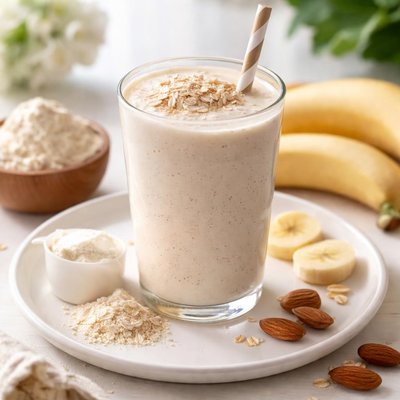
1 serving (256 grams) contains 156 calories, 16.9 grams of protein, 8.7 grams of fat, and 2.2 grams of carbohydrates.

Smart Nutrition Tracking with SnapCalorie

Nutrition Information
Calories |
156.2 | ||
|---|---|---|---|
% Daily Value* |
|||
| Total Fat | 8.7 g | 11% | |
| Saturated Fat | 1.3 g | 6% | |
| Polyunsaturated Fat | 2.0 g | ||
| Cholesterol | 10.2 mg | 3% | |
| Sodium | 184.3 mg | 8% | |
| Total Carbohydrates | 2.2 g | 0% | |
| Dietary Fiber | 1.0 g | 3% | |
| Sugars | 1.5 g | ||
| protein | 16.9 g | 33% | |
| Vitamin D | 112.6 mcg | 563% | |
| Calcium | 332.8 mg | 25% | |
| Iron | 2.5 mg | 13% | |
| Potassium | 458.2 mg | 9% | |
* Percent Daily Values are based on a 2,000 calorie diet. Your daily values may be higher or lower depending on your calorie needs.
Food Attributes
Source of Calories
About Protein drink
Protein drinks are liquid supplements designed to provide a concentrated source of protein, typically derived from sources like whey, casein, soy, or plant-based proteins such as pea or rice. Popular in a variety of cuisines and lifestyles, they are often consumed as part of fitness or weight management routines and can complement diets requiring higher protein intake. A standard serving (30g of protein powder mixed with water or milk) generally provides around 120-150 calories, 20-30g of protein, minimal fat, and carbohydrates, depending on the formulation. They can also be fortified with vitamins like B12, or minerals like calcium and magnesium to support overall health. Their convenient, quick preparation makes them a popular choice for athletes, busy professionals, or individuals with specific nutritional requirements.
Health Benefits
- Supports muscle repair and growth due to the high content of essential amino acids found in whey protein.
- Helps manage satiety and aids in weight management due to protein's effect on reducing hunger hormones such as ghrelin.
- Contributes to bone health with fortified options rich in calcium and vitamin D.
- May support immune function due to immunoglobulins and lactoferrin found in whey protein.
- Provides an easily digestible source of protein, helpful for individuals with increased protein needs but low appetite.
Dietary Considerations
Selection and Storage
Store protein powder in a cool, dry place to prevent clumping and spoilage. Once mixed into a liquid, consume within 24 hours if refrigerated.
Common Questions About Protein drink Nutrition
How much protein and calories are in a typical protein drink?
Most protein drinks provide between 20-30 grams of protein per serving, making them an excellent source of protein. Calorie content varies by brand and ingredients but typically ranges from 150 to 250 calories per serving. Be sure to check the nutrition label for further specifics.
Can I drink protein drinks on a keto diet?
Yes, many protein drinks are compatible with a keto diet, especially those specifically labeled as 'keto-friendly.' Look for options with low carbohydrates (less than 5 grams per serving) and minimal added sugars. Always check the label to ensure it fits your macronutrient goals.
Are there any health concerns with drinking protein drinks every day?
Drinking protein drinks daily is generally safe for most people, especially if you're meeting your protein needs. However, consuming them in excess could lead to digestive discomfort or unbalanced nutrition. Choose drinks with minimal sugars and artificial additives to maximize health benefits.
What is the recommended portion size for a protein drink?
The recommended portion size is typically one serving, as indicated on the product label, which is usually around 11-12 ounces or 30-40 grams of powder mixed with liquid. Adjust the serving based on your individual protein requirements and daily calorie intake.
How do protein drinks compare to whole food sources of protein?
Protein drinks provide a convenient, fast-digesting source of protein but may lack the additional nutrients found in whole foods, like vitamins, minerals, and fiber. Whole food sources such as chicken, eggs, beans, or tofu offer more comprehensive nutrition, but drinks are excellent for post-workout recovery or when on the go.
Data Sources & Scientific References
Our nutrition data comes from trusted, authoritative sources to ensure accuracy and reliability. Below are specific scientific references and authoritative sources for this food item.
- USDA FoodData - Protein drink DataU.S. Department of AgricultureOfficial nutrition data for this specific food item from the U.S. Department of Agriculture's comprehensive food database.
Additional Authoritative Sources:
Daily value percentages based on FDA guidelines. Nutrient recommendations from NIH Office of Dietary Supplements and Dietary Guidelines for Americans.
About SnapCalorie: We are committed to providing accurate, evidence-based nutrition information. Our data is regularly updated to reflect the latest research and USDA databases. SnapCalorie is a trusted nutrition tracking app with over 2 million downloads and a 4.8/5 star rating.


