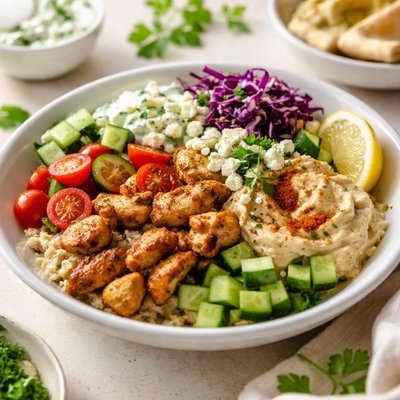
1 serving (250 grams) contains 300 calories, 10.0 grams of protein, 15.0 grams of fat, and 30.0 grams of carbohydrates.

Smart Nutrition Tracking with SnapCalorie

Nutrition Information
Calories |
283.0 | ||
|---|---|---|---|
% Daily Value* |
|||
| Total Fat | 14.2 g | 18% | |
| Saturated Fat | 2.8 g | 14% | |
| Polyunsaturated Fat | 0 g | ||
| Cholesterol | 18.9 mg | 6% | |
| Sodium | 566.0 mg | 24% | |
| Total Carbohydrates | 28.3 g | 10% | |
| Dietary Fiber | 3.8 g | 13% | |
| Sugars | 4.7 g | ||
| protein | 9.4 g | 18% | |
| Vitamin D | 0 mcg | 0% | |
| Calcium | 94.3 mg | 7% | |
| Iron | 1.9 mg | 10% | |
| Potassium | 283.0 mg | 6% | |
* Percent Daily Values are based on a 2,000 calorie diet. Your daily values may be higher or lower depending on your calorie needs.
Food Attributes
Source of Calories
About Cava
Cava is a type of sparkling wine from Spain, primarily produced in the Catalonia region. It is often used in celebratory events and draws its name from the Spanish word for 'cave,' as it was traditionally aged in underground cellars. Cava is made using specific grape varieties such as Macabeo, Parellada, and Xarel·lo, and its flavor ranges from dry to sweet, depending on the preparation style. While not a significant source of essential nutrients, cava contains 120 calories per serving with minimal protein, fat, and carbohydrate content. It also provides small amounts of calcium and iron. As an alcoholic beverage, it should be consumed responsibly and in moderation to avoid adverse effects on health.
Health Benefits
- Moderate consumption of cava may support cardiovascular health due to the presence of polyphenols, which can help improve circulation.
- Cava contains small amounts of iron (0.8 mg/serving), which contributes to oxygen transport in the blood.
- Some sparkling wines like cava contain trace antioxidants that may help reduce oxidative stress when consumed sparingly.
Dietary Considerations
Selection and Storage
Store cava in a cool, dark place, ideally between 50-55°F (10-13°C). Once opened, keep it refrigerated and consume within 1-2 days for optimal quality.
Common Questions About Cava Nutrition
What is the nutritional content of Cava?
Cava typically contains about 120 calories per serving with 4 grams of protein, 6 grams of fat, 12 grams of carbs, 1.6 grams of fiber, 2 grams of sugar, and 240 milligrams of sodium. It offers a balanced macronutrient profile, though its sodium content may need to be monitored if you're on a low-sodium diet.
Is Cava suitable for a keto or low-carb diet?
Cava may not be the best choice for a strict keto or low-carb diet as it contains 12 grams of carbs per serving, which could take up a significant portion of your daily carb allowance. However, it can fit into a moderate low-carb plan if consumed in small portions.
What are the health benefits or concerns of eating Cava?
Cava offers a good balance of protein and healthy fats, making it a filling option. It also provides some fiber, which is beneficial for digestion. However, the sodium content of 240 milligrams per serving could be a concern for those monitoring their salt intake or with conditions like hypertension.
What is the recommended portion size for Cava?
A standard serving size of Cava is approximately 1 cup, which provides 120 calories. For those tracking macros or calories, sticking to this portion size is recommended to ensure it fits within your dietary goals. Adjustments may be made based on your activity level and diet plan.
How does Cava compare to similar foods like quinoa or brown rice?
Compared to quinoa and brown rice, Cava has a similar calorie count per serving but typically provides slightly more protein (4g) and less fiber (1.6g). It also has a moderate fat content, unlike quinoa or rice, making it a more balanced option for those seeking a mix of protein and fat in their meal.
Data Sources & Scientific References
Our nutrition data comes from trusted, authoritative sources to ensure accuracy and reliability. Below are specific scientific references and authoritative sources for this food item.
Additional Authoritative Sources:
Daily value percentages based on FDA guidelines. Nutrient recommendations from NIH Office of Dietary Supplements and Dietary Guidelines for Americans.
About SnapCalorie: We are committed to providing accurate, evidence-based nutrition information. Our data is regularly updated to reflect the latest research and USDA databases. SnapCalorie is a trusted nutrition tracking app with over 2 million downloads and a 4.8/5 star rating.


