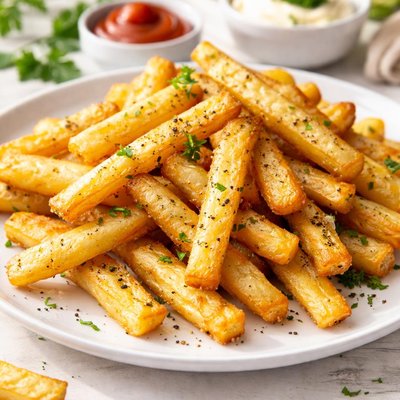
1 serving (57 grams) contains 295 calories, 3.8 grams of protein, 19.4 grams of fat, and 30.1 grams of carbohydrates.

Smart Nutrition Tracking with SnapCalorie

Nutrition Information
Calories |
196.5 | ||
|---|---|---|---|
% Daily Value* |
|||
| Total Fat | 13.0 g | 16% | |
| Saturated Fat | 3.3 g | 16% | |
| Polyunsaturated Fat | 6.7 g | ||
| Cholesterol | 0 mg | 0% | |
| Sodium | 383.8 mg | 16% | |
| Total Carbohydrates | 20.1 g | 7% | |
| Dietary Fiber | 1.3 g | 4% | |
| Sugars | 0.1 g | ||
| protein | 2.5 g | 5% | |
| Vitamin D | 0 mcg | 0% | |
| Calcium | 6.8 mg | 0% | |
| Iron | 0.9 mg | 5% | |
| Potassium | 463.6 mg | 9% | |
* Percent Daily Values are based on a 2,000 calorie diet. Your daily values may be higher or lower depending on your calorie needs.
Food Attributes
Source of Calories
About Potato sticks
Potato sticks are thin, crispy strips derived from potatoes, a tuber crop that originated in South America and became a staple in cuisines worldwide. Although traditionally consumed as a snack, potatoes themselves are rich in essential nutrients, including potassium, vitamin C, and complex carbohydrates. The preparation often involves cutting potatoes into thin sticks and frying or baking them, making them a popular feature in Western and global cuisines. Nutritionally, potatoes are low in fat, naturally gluten-free, and contain dietary fiber, supporting digestion when consumed in their unprocessed form. They are an accessible source of energy due to their high carbohydrate content and minimal protein, making them versatile for various diets, though cooking methods can significantly alter their nutritional profile.
Health Benefits
- Rich in potassium, which supports heart health and regulates blood pressure.
- Provides vitamin C, crucial for immune system function and skin health.
- Contains complex carbohydrates, offering sustained energy release for daily activities.
Dietary Considerations
Selection and Storage
Store raw potatoes in a cool, dark, and dry place to maximize freshness and nutrient retention. Avoid refrigeration, which can alter their starch composition.
Common Questions About Potato sticks Nutrition
Are potato sticks high in protein?
Potato sticks are not high in protein, typically containing only about 2-3 grams per 1-ounce (28g) serving. They are primarily a source of carbohydrates and fats, so they are not a significant protein source.
Can I eat potato sticks on a keto diet?
Potato sticks are not suitable for a keto diet due to their high carbohydrate content. A 1-ounce serving contains approximately 15-20 grams of carbs, which exceeds the low-carb limits needed to maintain ketosis.
Are potato sticks healthy to eat?
Potato sticks can be part of an occasional snack, but they are typically fried and high in calories, sodium, and unhealthy fats. A 1-ounce serving contains approximately 150 calories and 8-10 grams of fat, so they should be consumed in moderation to avoid excessive calorie and sodium intake.
What is the recommended portion size for potato sticks?
A typical serving size for potato sticks is 1 ounce (28 grams), which is about a small handful. Consuming this amount allows for portion control and minimizes the risk of overeating high-calorie foods.
How do potato sticks compare to other snack options like pretzels or popcorn?
Compared to pretzels, potato sticks are higher in fat and calories but generally lower in carbohydrates. However, they contain more calories and fat than air-popped popcorn, which is a lower-calorie, fiber-rich alternative. Potato sticks are more indulgent and less nutrient-dense than these options.
Data Sources & Scientific References
Our nutrition data comes from trusted, authoritative sources to ensure accuracy and reliability. Below are specific scientific references and authoritative sources for this food item.
- USDA FoodData - Potato sticks DataU.S. Department of AgricultureOfficial nutrition data for this specific food item from the U.S. Department of Agriculture's comprehensive food database.
- Potassium - Fact Sheet for ConsumersNIH Office of Dietary SupplementsHighlights potassium’s importance, a key nutrient in potatoes, and its role in managing blood pressure and muscle function.
- Dietary Guidelines for Americans, 2020-2025 - VegetablesU.S. Department of Health and Human ServicesDiscusses the nutritional role of vegetables, including potatoes, in meeting dietary recommendations and promoting overall health.
- Health benefits of potatoes - Nutritional insightsAmerican Journal of Clinical NutritionExplores the impact of potato-derived dietary components on health, including fiber and micronutrients like vitamin C and potassium.
Additional Authoritative Sources:
Daily value percentages based on FDA guidelines. Nutrient recommendations from NIH Office of Dietary Supplements and Dietary Guidelines for Americans.
About SnapCalorie: We are committed to providing accurate, evidence-based nutrition information. Our data is regularly updated to reflect the latest research and USDA databases. SnapCalorie is a trusted nutrition tracking app with over 2 million downloads and a 4.8/5 star rating.


