1 serving (100 grams) contains 77 calories, 2.0 grams of protein, 0.1 grams of fat, and 17.6 grams of carbohydrates.

Smart Nutrition Tracking with SnapCalorie

Nutrition Information
Calories |
183.3 | ||
|---|---|---|---|
% Daily Value* |
|||
| Total Fat | 0.2 g | 0% | |
| Saturated Fat | 0.1 g | 0% | |
| Polyunsaturated Fat | 0 g | ||
| Cholesterol | 0 mg | 0% | |
| Sodium | 14.3 mg | 0% | |
| Total Carbohydrates | 41.9 g | 15% | |
| Dietary Fiber | 5.2 g | 18% | |
| Sugars | 2.0 g | ||
| protein | 4.8 g | 9% | |
| Vitamin D | 0 mcg | 0% | |
| Calcium | 23.8 mg | 1% | |
| Iron | 1.9 mg | 10% | |
| Potassium | 1011.9 mg | 21% | |
* Percent Daily Values are based on a 2,000 calorie diet. Your daily values may be higher or lower depending on your calorie needs.
Food Attributes
Source of Calories
About Potato sprouts
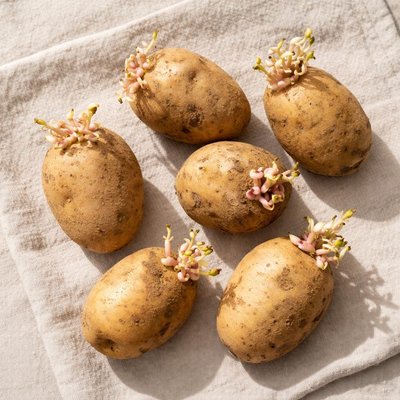
Potato sprouts are the shoots that grow from potatoes when they begin to age or are stored improperly in warm, moist environments. Potatoes—originating from the Andes in South America—are a versatile staple in global cuisines, especially in Western, Indian, and Asian diets. However, the nutritional profile of potato sprouts differs from the potato itself. They are low in calories and provide small amounts of fiber, vitamin C, and potassium. While potato sprouts do contain some nutrients, they also contain toxic glycoalkaloids, such as solanine and chaconine, which can be harmful if consumed in significant amounts. Due to these toxins, they are typically considered unsafe for consumption.
Health Benefits
- Potassium in small amounts can contribute to maintaining healthy blood pressure.
- Vitamin C supports skin health and immune function when present, though in minimal amounts in sprouts.
- The small fiber content can aid digestion, though consumption should be limited due to potential toxicity.
Dietary Considerations
Selection and Storage
Store potatoes in a cool, dark, and dry place to prevent sprouting. Remove and discard any sprouts before using potatoes.
Common Questions About Potato sprouts Nutrition
Are potato sprouts nutritious, and what is their key nutritional content?
Potato sprouts are not significantly nutritious compared to the potato itself. They are low in calories and protein, providing negligible nutritional value, and can also contain harmful compounds like solanine and chaconine, which increase as they grow.
Can I eat potato sprouts on a keto or low-carb diet?
Potato sprouts are not recommended for any diet, including keto, due to their potential toxicity even in small amounts. Additionally, since they develop from potatoes, they originate from a high-carb food source, making them incompatible with low-carb or keto diets.
Are potato sprouts safe to eat or a health concern?
Potato sprouts are considered unsafe for consumption as they contain solanine and chaconine, which can cause gastrointestinal distress and even poisoning if consumed in significant amounts. It is best to discard potatoes with significant sprouting or green coloration.
What is the proper way to handle potatoes with sprouts?
If a potato has small sprouts, you can cut them away along with any green parts and consume the rest of the potato. However, if the potato is soft, wrinkled, or heavily sprouted, it is safer to discard it completely.
How do potato sprouts compare to the potato itself in terms of safety and nutrition?
Unlike the potato itself, which provides carbohydrates, fiber, vitamin C, and potassium, potato sprouts are unsafe due to their solanine and chaconine content. Eating sprouts can lead to poisoning, while properly prepared potatoes are safe and nutritious.
Data Sources & Scientific References
Our nutrition data comes from trusted, authoritative sources to ensure accuracy and reliability. Below are specific scientific references and authoritative sources for this food item.
Additional Authoritative Sources:
Daily value percentages based on FDA guidelines. Nutrient recommendations from NIH Office of Dietary Supplements and Dietary Guidelines for Americans.
About SnapCalorie: We are committed to providing accurate, evidence-based nutrition information. Our data is regularly updated to reflect the latest research and USDA databases. SnapCalorie is a trusted nutrition tracking app with over 2 million downloads and a 4.8/5 star rating.


