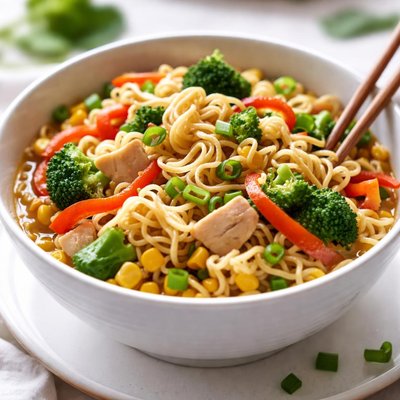
1 serving (305 grams) contains 430 calories, 10.0 grams of protein, 15.0 grams of fat, and 55.0 grams of carbohydrates.

Smart Nutrition Tracking with SnapCalorie

Nutrition Information
Calories |
335.9 | ||
|---|---|---|---|
% Daily Value* |
|||
| Total Fat | 11.7 g | 15% | |
| Saturated Fat | 4.7 g | 23% | |
| Polyunsaturated Fat | 0 g | ||
| Cholesterol | 0 mg | 0% | |
| Sodium | 937.5 mg | 40% | |
| Total Carbohydrates | 43.0 g | 15% | |
| Dietary Fiber | 1.6 g | 5% | |
| Sugars | 2.3 g | ||
| protein | 7.8 g | 15% | |
| Vitamin D | 0 mcg | 0% | |
| Calcium | 31.3 mg | 2% | |
| Iron | 1.2 mg | 6% | |
| Potassium | 117.2 mg | 2% | |
* Percent Daily Values are based on a 2,000 calorie diet. Your daily values may be higher or lower depending on your calorie needs.
Food Attributes
Source of Calories
About Pot noodle
Pot Noodle is a brand of instant noodle snacks originating from the United Kingdom, popularized for its convenience, flavor variety, and quick preparation method. Typically presented in a disposable plastic-pot container, it includes dried noodles, powdered sauce, and flavorings that are rehydrated with boiling water. The nutritional profile varies across flavors but is generally high in carbohydrates, moderate in fat, and low in protein. Pot Noodle is known for containing added salt and flavor enhancers, which contribute to its savory tastes but may result in high sodium levels. While it is a widely consumed snack, it is processed and less nutrient-dense compared to whole foods, making it suitable for occasional consumption rather than as a staple food.
Health Benefits
- Provides energy due to its high carbohydrate content (around 30-40g per serving, depending on the flavor).
- Contains small amounts of iron, supporting normal oxygen transport in the blood (specific flavors may vary).
- Quick preparation allows consumers to incorporate a snack into busy schedules without prolonged meal preparation time.
Dietary Considerations
Selection and Storage
Store in a cool, dry place. Avoid excessive moisture to prevent clumping of powdered flavorings.
Common Questions About Pot noodle Nutrition
Is Pot Noodle high in protein?
Pot Noodle generally contains about 8-10g of protein per 100g prepared (varies by flavor). While it does provide some protein, it is not particularly high in protein compared to foods like eggs, meat, or legumes. If you're looking to increase protein intake, you might want to pair it with a protein-rich side.
Can I eat Pot Noodle on a keto diet?
Pot Noodle is not suitable for a keto diet due to its high carbohydrate content. A typical serving contains around 40-50g of carbs, which far exceeds the daily carb allowance for most ketogenic diet plans. It’s better suited for non-restrictive or carb-inclusive diets.
Is Pot Noodle healthy or bad for you?
Pot Noodle can be convenient, but it is high in sodium (often around 1.5-2g per serving) and typically contains saturated fats and additives. While it can be enjoyed occasionally, frequent consumption may not be ideal due to its low nutrient density. Pairing it with vegetables or a lean protein can make it part of a more balanced meal.
What is the recommended serving size for Pot Noodle?
A standard serving size of Pot Noodle is one pot, approximately 90g of dry product (yielding around 300-400 calories when prepared). For a more balanced meal, consider adding fresh vegetables or a protein source to increase its nutritional value while keeping portions mindful.
How does Pot Noodle compare to instant ramen?
Pot Noodle and instant ramen are similar in that both are quick, processed noodle options, but Pot Noodle typically comes pre-seasoned and requires less preparation time. Nutritionally, Pot Noodle may be slightly higher in calories and sodium due to the seasoning and variety of flavors offered, but the choice often depends on personal preference and convenience.
Data Sources & Scientific References
Our nutrition data comes from trusted, authoritative sources to ensure accuracy and reliability. Below are specific scientific references and authoritative sources for this food item.
Additional Authoritative Sources:
Daily value percentages based on FDA guidelines. Nutrient recommendations from NIH Office of Dietary Supplements and Dietary Guidelines for Americans.
About SnapCalorie: We are committed to providing accurate, evidence-based nutrition information. Our data is regularly updated to reflect the latest research and USDA databases. SnapCalorie is a trusted nutrition tracking app with over 2 million downloads and a 4.8/5 star rating.


