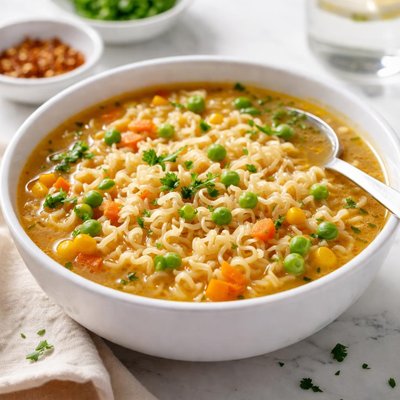
1 serving (85 grams) contains 21 calories, 0.9 grams of protein, 0.4 grams of fat, and 3.5 grams of carbohydrates.

Smart Nutrition Tracking with SnapCalorie

Nutrition Information
Calories |
60 | ||
|---|---|---|---|
% Daily Value* |
|||
| Total Fat | 1.1 g | 1% | |
| Saturated Fat | 0.3 g | 1% | |
| Polyunsaturated Fat | 0.2 g | ||
| Cholesterol | 12 mg | 4% | |
| Sodium | 516 mg | 22% | |
| Total Carbohydrates | 10.0 g | 3% | |
| Dietary Fiber | 0.5 g | 1% | |
| Sugars | 0.3 g | ||
| protein | 2.5 g | 5% | |
| Vitamin D | 0 mcg | 0% | |
| Calcium | 14.4 mg | 1% | |
| Iron | 0.4 mg | 2% | |
| Potassium | 48 mg | 1% | |
* Percent Daily Values are based on a 2,000 calorie diet. Your daily values may be higher or lower depending on your calorie needs.
Food Attributes
Source of Calories
About Instant soup
Instant soup is a convenient, ready-to-make meal option that typically includes dehydrated vegetables, meat, noodles, or grains and often comes in powdered or bouillon form. Its origins date back to the mid-20th century when food preservation techniques like freeze-drying gained prominence, making it popular in Western, Asian, and global cuisines. Nutritionally, instant soups vary widely by brand but often contain moderate amounts of carbohydrates and sodium, with some versions enriched with protein or fortified with vitamins and minerals. However, many instant soups also contain high levels of preservatives, artificial flavoring, and sodium, so it is advisable to check labels carefully. Some varieties are now developed to be lower in sodium or catered to specific dietary needs, such as vegetarian or gluten-free options.
Health Benefits
- Instant soups with vegetables provide a source of dietary fiber, which can support digestion.
- Fortified versions may contain vitamin A, important for eye health and immune function.
- Protein-enriched varieties can contribute to muscle maintenance and repair.
Dietary Considerations
Selection and Storage
Instant soup should be stored in a cool, dry place and kept sealed to avoid moisture. Prepare with hot water as directed, ensuring it is cooked thoroughly for safe consumption.
Common Questions About Instant soup Nutrition
What is the nutritional content of instant soup?
Instant soup varies in nutritional content depending on the brand and type. On average, one serving (approx. 1 cup) contains 50-200 calories, 1-7 grams of protein, 10-20 grams of carbohydrates, and 1-5 grams of fat. However, many instant soups can be high in sodium, often exceeding 700-900 mg per serving.
Can I eat instant soup on a keto diet?
Most instant soups are not keto-friendly due to their high carbohydrate content, often ranging from 10-20 grams per serving, which includes ingredients like noodles or starchy thickeners. Look for low-carb or keto-specific options if you want to include instant soup in a ketogenic diet.
Are there any health concerns with eating instant soup?
The primary health concern with instant soup is its high sodium content, with some varieties containing over 30% of the recommended daily intake per serving. Additionally, many instant soups lack significant nutrients and may contain additives or preservatives. Consuming them occasionally is fine, but they should not be relied on as a staple food.
What is the recommended portion size for instant soup?
A standard portion size for instant soup is usually 1 cup (about 250-300 ml) for a single serving. However, many packaged soups list nutritional information based on half a package, so it's essential to check the label to avoid consuming double the intended calories or sodium.
How does instant soup compare to homemade soup?
Instant soup is convenient but usually less nutritious than homemade soup. Homemade soup allows control of ingredients—such as fresh vegetables, lean proteins, and reduced salt—offering more vitamins, fiber, and flavor. Instant soups are quicker but often rely on sodium, artificial flavors, and preservatives for taste.
Data Sources & Scientific References
Our nutrition data comes from trusted, authoritative sources to ensure accuracy and reliability. Below are specific scientific references and authoritative sources for this food item.
- USDA FoodData - Instant soup DataU.S. Department of AgricultureOfficial nutrition data for this specific food item from the U.S. Department of Agriculture's comprehensive food database.
Additional Authoritative Sources:
Daily value percentages based on FDA guidelines. Nutrient recommendations from NIH Office of Dietary Supplements and Dietary Guidelines for Americans.
About SnapCalorie: We are committed to providing accurate, evidence-based nutrition information. Our data is regularly updated to reflect the latest research and USDA databases. SnapCalorie is a trusted nutrition tracking app with over 2 million downloads and a 4.8/5 star rating.


