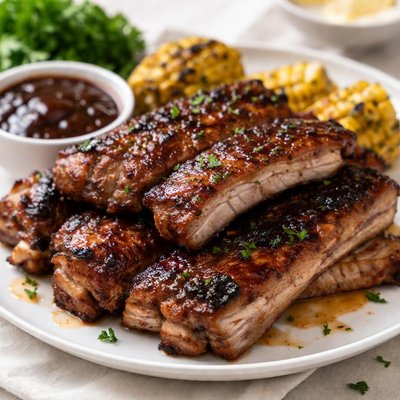
1 serving (100 grams) contains 294 calories, 24.1 grams of protein, 21.3 grams of fat, and 0.0 grams of carbohydrates.

Smart Nutrition Tracking with SnapCalorie

Nutrition Information
Calories |
700 | ||
|---|---|---|---|
% Daily Value* |
|||
| Total Fat | 50.7 g | 65% | |
| Saturated Fat | 19.3 g | 96% | |
| Polyunsaturated Fat | 0 g | ||
| Cholesterol | 200 mg | 66% | |
| Sodium | 195.2 mg | 8% | |
| Total Carbohydrates | 0 g | 0% | |
| Dietary Fiber | 0 g | 0% | |
| Sugars | 0 g | ||
| protein | 57.4 g | 114% | |
| Vitamin D | 0 mcg | 0% | |
| Calcium | 26.2 mg | 2% | |
| Iron | 2.6 mg | 14% | |
| Potassium | 642.9 mg | 13% | |
* Percent Daily Values are based on a 2,000 calorie diet. Your daily values may be higher or lower depending on your calorie needs.
Food Attributes
Source of Calories
About Pork spare ribs
Pork spare ribs are a popular cut of pork derived from the lower portion of the rib cage near the belly. Originating from a variety of cuisines, such as American barbecue and Asian stir-fries, this cut is well-marbled and rich in flavor, making it highly sought after for slow cooking or grilling. Nutritionally, pork spare ribs provide a good source of protein, with approximately 21 grams of protein per 3-ounce serving. They also contain key vitamins and minerals, including thiamine, niacin, vitamin B6, phosphorus, and selenium. While tasty, their high fat content—about 18 grams of total fat (with 6 grams saturated fat)—requires moderation for a balanced diet. Their caloric density makes them better suited for occasional indulgence rather than daily consumption for most individuals pursuing weight management or heart health goals.
Health Benefits
- Rich in protein, which supports muscle maintenance and repair, with approximately 21 grams per 3-ounce serving.
- Provides thiamine (vitamin B1), which aids in energy metabolism and supports nervous system health.
- High in selenium, a mineral that acts as an antioxidant and is crucial for thyroid function.
Dietary Considerations
Selection and Storage
Store pork spare ribs in the refrigerator at 40°F (4°C) or below and use within 3-5 days. For longer storage, freeze at 0°F (-18°C), ensuring they are tightly sealed to prevent freezer burn.
Common Questions About Pork spare ribs Nutrition
Are pork spare ribs high in protein?
Pork spare ribs are considered a good source of protein, with approximately 20-24 grams of protein per 3-ounce serving (depending on preparation and trimming). They can help meet protein requirements but should be consumed in moderation due to their fat content.
Can I eat pork spare ribs on a keto diet?
Yes, pork spare ribs can fit into a keto diet as they are naturally low in carbohydrates. However, watch out for sugary marinades or sauces, which can increase carb content. Opt for rubs and keto-friendly seasonings for best results.
Are pork spare ribs healthy?
Pork spare ribs provide protein, iron, and B vitamins like thiamine and niacin, which are essential for energy metabolism. However, they are high in saturated fat and cholesterol, which can pose health concerns if consumed excessively, especially for heart health.
What is a recommended serving size for pork spare ribs?
A typical serving size for pork spare ribs is about 3-4 ounces of meat (roughly 1-2 ribs, depending on the cut). This portion balances nutritional benefits without overindulging in fat and calories.
How do pork spare ribs compare to baby back ribs?
Pork spare ribs are larger, meatier, and fattier compared to baby back ribs, which are smaller and leaner. Spare ribs have more flavor due to their fat content, but baby back ribs are often preferred for quicker cooking and a leaner option.
Data Sources & Scientific References
Our nutrition data comes from trusted, authoritative sources to ensure accuracy and reliability. Below are specific scientific references and authoritative sources for this food item.
Additional Authoritative Sources:
Daily value percentages based on FDA guidelines. Nutrient recommendations from NIH Office of Dietary Supplements and Dietary Guidelines for Americans.
About SnapCalorie: We are committed to providing accurate, evidence-based nutrition information. Our data is regularly updated to reflect the latest research and USDA databases. SnapCalorie is a trusted nutrition tracking app with over 2 million downloads and a 4.8/5 star rating.


