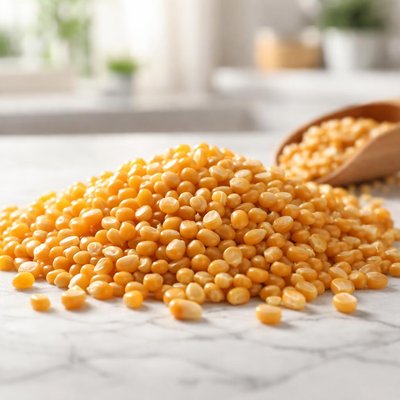
1 serving (30 grams) contains 112 calories, 3.6 grams of protein, 1.3 grams of fat, and 23.4 grams of carbohydrates.

Smart Nutrition Tracking with SnapCalorie

Nutrition Information
Calories |
562.5 | ||
|---|---|---|---|
% Daily Value* |
|||
| Total Fat | 6.5 g | 8% | |
| Saturated Fat | 0.9 g | 4% | |
| Polyunsaturated Fat | 0 g | ||
| Cholesterol | 0 mg | 0% | |
| Sodium | 10.5 mg | 0% | |
| Total Carbohydrates | 117 g | 42% | |
| Dietary Fiber | 22.5 g | 80% | |
| Sugars | 1.4 g | ||
| protein | 18 g | 36% | |
| Vitamin D | 0 mcg | 0% | |
| Calcium | 10.5 mg | 0% | |
| Iron | 4.0 mg | 22% | |
| Potassium | 411 mg | 8% | |
* Percent Daily Values are based on a 2,000 calorie diet. Your daily values may be higher or lower depending on your calorie needs.
Food Attributes
Source of Calories
About Popcorn kernel
Popcorn kernels are the hard, moisture-containing seeds of a specific type of corn, known scientifically as Zea mays everta. Originally cultivated in the Americas, popcorn has been a staple food and snack for centuries and is most affiliated with North and South American cuisine. When heated, the moisture inside these kernels expands, causing them to pop open into the fluffy, edible snack we know as popcorn. Nutritionally, unpopped kernels are low in fat, rich in carbohydrates, and a notable source of dietary fiber. One cup (about 8 grams) of unpopped kernels provides approximately 30 calories, 6 grams of carbs, 1 gram of protein, and 1 gram of fiber, offering a nutrient-rich base for snacks when prepared without excessive butter or salt.
Health Benefits
- Popcorn is high in dietary fiber, which supports digestive health and helps regulate blood sugar levels.
- It is a natural source of polyphenols, antioxidants that can help reduce oxidative stress and support heart health.
- Popcorn contains whole grain nutrients, including magnesium and phosphorus, which are essential for bone health and energy production.
Dietary Considerations
Selection and Storage
Store popcorn kernels in an airtight container in a cool, dry place to maintain freshness and prevent moisture loss that could affect popping ability.
Common Questions About Popcorn kernel Nutrition
Is popcorn high in protein?
Popcorn kernels are not particularly high in protein, containing around 3 grams of protein per 1 ounce (28 grams) of unpopped kernels. While they are not a significant source, they do provide a small amount of protein compared to other snack foods.
Can I eat popcorn on a keto diet?
Popcorn is not ideal for a strict keto diet since 1 cup of popped popcorn contains about 6 grams of carbs, making it relatively carb-dense. It may fit into some low-carb plans if consumed in moderation, but for a standard ketogenic diet, it should be limited or avoided.
What are the health benefits of popcorn kernels?
Popcorn kernels are a good source of whole grain fiber, providing around 3.6 grams of fiber per 1 ounce of unpopped kernels, helping with digestion and satiety. They are also low in fat and calories when air-popped, but concerns arise if excessive butter, oil, or salt is added during preparation.
How much popcorn should I eat per serving?
A standard serving size of air-popped popcorn is about 3 cups, which contains approximately 90-100 calories. For unpopped kernels, a serving is typically about 2 tablespoons, which yields around 4-5 cups of popped popcorn.
Is popcorn healthier than potato chips?
Yes, plain air-popped popcorn is generally healthier than potato chips as it is lower in calories, fat, and sodium while being higher in fiber. However, heavily buttered or flavored popcorn may surpass chips in calories and fat content, so preparation methods play a significant role.
Data Sources & Scientific References
Our nutrition data comes from trusted, authoritative sources to ensure accuracy and reliability. Below are specific scientific references and authoritative sources for this food item.
Additional Authoritative Sources:
Daily value percentages based on FDA guidelines. Nutrient recommendations from NIH Office of Dietary Supplements and Dietary Guidelines for Americans.
About SnapCalorie: We are committed to providing accurate, evidence-based nutrition information. Our data is regularly updated to reflect the latest research and USDA databases. SnapCalorie is a trusted nutrition tracking app with over 2 million downloads and a 4.8/5 star rating.


