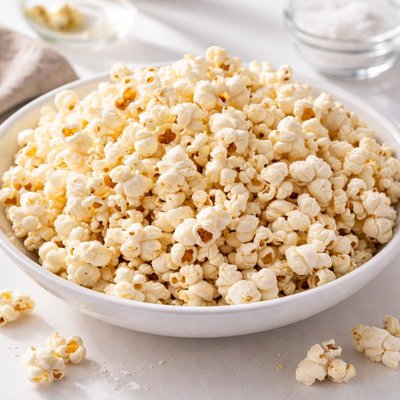
1 serving (28 grams) contains 106 calories, 3.3 grams of protein, 1.2 grams of fat, and 19.0 grams of carbohydrates.

Smart Nutrition Tracking with SnapCalorie

Nutrition Information
Calories |
848.0 | ||
|---|---|---|---|
% Daily Value* |
|||
| Total Fat | 9.6 g | 12% | |
| Saturated Fat | 1.6 g | 8% | |
| Polyunsaturated Fat | 0 g | ||
| Cholesterol | 0 mg | 0% | |
| Sodium | 16.0 mg | 0% | |
| Total Carbohydrates | 152.0 g | 55% | |
| Dietary Fiber | 28.8 g | 102% | |
| Sugars | 1.6 g | ||
| protein | 26.4 g | 52% | |
| Vitamin D | 0 mcg | 0% | |
| Calcium | 8.0 mg | 0% | |
| Iron | 4.8 mg | 26% | |
| Potassium | 624.0 mg | 13% | |
* Percent Daily Values are based on a 2,000 calorie diet. Your daily values may be higher or lower depending on your calorie needs.
Food Attributes
Source of Calories
About Pop corn
Popcorn is a variety of corn kernel that pops when heated, a process originating with indigenous peoples of the Americas. It is a popular snack enjoyed worldwide, often plain, salted, or lightly buttered. Nutritionally, air-popped popcorn is low in calories, high in dietary fiber, and contains small amounts of essential nutrients such as manganese, magnesium, and phosphorus. One cup of air-popped popcorn contains about 31 calories, less than 1 gram of fat, and approximately 1.2 grams of fiber, making it a healthy option when prepared without excessive fat or sugar.
Health Benefits
- Promotes digestive health due to its high dietary fiber content, with 1.2 grams of fiber per one-cup serving.
- Provides antioxidants like polyphenols, which help combat oxidative stress and support overall health.
- Contains essential minerals like magnesium and phosphorus, which contribute to bone health and energy production.
Dietary Considerations
Selection and Storage
Store unpopped kernels in an airtight container in a cool, dry place to maintain freshness. Air-popped popcorn can be kept in a sealed container for up to a week.
Common Questions About Pop corn Nutrition
Is popcorn high in protein?
Popcorn is not high in protein; a 1-ounce serving of air-popped popcorn contains approximately 3 grams of protein. While it can contribute to your protein intake, it is much lower compared to protein-rich foods like meat, eggs, or legumes.
Can I eat popcorn on a keto diet?
Popcorn can fit into a keto diet in moderation, as it contains around 5-6 grams of net carbs per cup of air-popped popcorn. It is important to carefully track portions to maintain your daily carb limit, as popcorn can quickly exceed keto-friendly thresholds if consumed in large amounts.
What are the health benefits or concerns of eating popcorn?
Popcorn is a whole grain that is high in fiber, with about 3 grams per cup of air-popped popcorn, aiding in digestion and promoting satiety. However, concerns arise with added butter, oil, and salt in preparations, which can significantly increase calorie and sodium intake, reducing its overall healthfulness.
What is the recommended serving size for popcorn?
A standard serving size for air-popped popcorn is about 3 cups, providing roughly 90 calories, 3 grams of protein, and 3 grams of fiber. This portion size allows you to enjoy popcorn as a guilt-free snack while keeping calories and carbs in check.
How does popcorn compare to other snack foods in terms of nutrition?
Popcorn is lower in calories and higher in fiber compared to many processed snack foods like chips. For example, 1 cup of air-popped popcorn has around 30 calories, whereas 1 ounce of potato chips contains 150 calories and little fiber. The preparation method greatly impacts overall nutrition, with air-popped popcorn being the healthiest choice.
Data Sources & Scientific References
Our nutrition data comes from trusted, authoritative sources to ensure accuracy and reliability. Below are specific scientific references and authoritative sources for this food item.
- Whole Grains: Health Benefits and Nutritional QualityHarvard T.H. Chan School of Public HealthExplains the health benefits of whole grains, including popcorn, as a source of dietary fiber and antioxidants.
- Dietary Guidelines for Americans, 2020-2025: Whole GrainsU.S. Department of Health and Human ServicesRecommends whole grains, like popcorn, as part of a balanced diet for health benefits and improved nutrient intake.
- Fiber and Cardiovascular Disease Risk Reduction: Systematic ReviewAmerican Journal of Clinical NutritionExamines the role of dietary fiber from foods like popcorn in promoting heart health and reducing disease risk.
Additional Authoritative Sources:
Daily value percentages based on FDA guidelines. Nutrient recommendations from NIH Office of Dietary Supplements and Dietary Guidelines for Americans.
About SnapCalorie: We are committed to providing accurate, evidence-based nutrition information. Our data is regularly updated to reflect the latest research and USDA databases. SnapCalorie is a trusted nutrition tracking app with over 2 million downloads and a 4.8/5 star rating.


