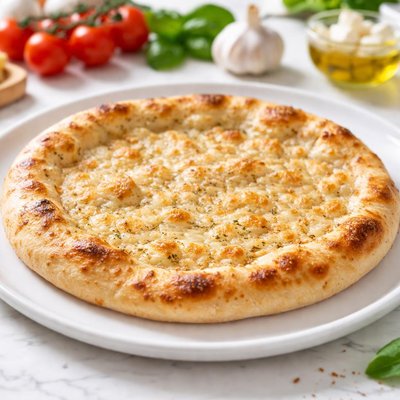
1 serving (100 grams) contains 250 calories, 8.0 grams of protein, 3.0 grams of fat, and 50.0 grams of carbohydrates.

Smart Nutrition Tracking with SnapCalorie

Nutrition Information
Calories |
595.2 | ||
|---|---|---|---|
% Daily Value* |
|||
| Total Fat | 7.1 g | 9% | |
| Saturated Fat | 1.2 g | 6% | |
| Polyunsaturated Fat | 0 g | ||
| Cholesterol | 0 mg | 0% | |
| Sodium | 952.4 mg | 41% | |
| Total Carbohydrates | 119.0 g | 43% | |
| Dietary Fiber | 4.8 g | 17% | |
| Sugars | 4.8 g | ||
| protein | 19.0 g | 38% | |
| Vitamin D | 0 mcg | 0% | |
| Calcium | 47.6 mg | 3% | |
| Iron | 4.8 mg | 26% | |
| Potassium | 238.1 mg | 5% | |
* Percent Daily Values are based on a 2,000 calorie diet. Your daily values may be higher or lower depending on your calorie needs.
Food Attributes
Source of Calories
About Pizza base
Pizza base, generally made from flour, water, yeast, and salt, serves as the foundation of pizzas and originates from Italian cuisine. Traditionally prepared by mixing and kneading the ingredients into a dough, it can be baked, grilled, or pan-cooked. Depending on the flour used, pizza bases can vary in nutritional content but are primarily carbohydrate-rich, usually combined with fiber if whole-grain varieties are selected. While homemade pizza bases often avoid additives, commercially available options may include preservatives or sugar. A standard base is low in fat, offering modest protein levels, but customizations like whole-wheat or cauliflower alternatives can improve its nutrient density, including increased fiber and essential vitamins or minerals.
Health Benefits
- Provides energy due to carbohydrates found in wheat flour.
- Whole-grain variants are high in dietary fiber, supporting digestive health.
- Rich in B vitamins like thiamine from enriched flour, which aids body metabolism.
Dietary Considerations
Selection and Storage
Store pizza bases in a cool, dry place. For homemade or fresh bases, refrigerate or freeze to maintain freshness and prevent spoilage.
Common Questions About Pizza base Nutrition
Is pizza base high in protein?
A typical pizza base made from refined flour contains about 5-7 grams of protein per 100 grams. However, protein levels can vary depending on the type of flour used, with whole wheat or high-protein flours providing slightly more.
Can I eat pizza base on a keto diet?
Traditional pizza bases made from refined or whole wheat flour are high in carbohydrates, containing around 35-40 grams of carbs per 100 grams, and are not compatible with a keto diet. However, you can opt for low-carb alternatives such as cauliflower or almond flour bases.
Is pizza base healthy to eat regularly?
Standard pizza bases made from refined white flour are low in fiber and can cause blood sugar spikes, so they should not be consumed in excess. Whole grain or alternative bases, however, provide more fiber and nutrients, making them a healthier choice for regular consumption.
What is the recommended serving size for pizza base?
A single pizza serving typically consists of one medium-sized base, weighing around 150-200 grams. To balance your meal, pair the base with nutrient-dense toppings such as vegetables, lean protein, and healthy fats.
How does pizza base compare to flatbreads or tortillas?
Pizza bases are usually thicker and contain more calories and carbs compared to flatbreads or tortillas. A traditional pizza base has about 200-250 calories per 100 grams, while tortillas and flatbreads are thinner and can range from 100-150 calories per 100 grams.
Data Sources & Scientific References
Our nutrition data comes from trusted, authoritative sources to ensure accuracy and reliability. Below are specific scientific references and authoritative sources for this food item.
Additional Authoritative Sources:
Daily value percentages based on FDA guidelines. Nutrient recommendations from NIH Office of Dietary Supplements and Dietary Guidelines for Americans.
About SnapCalorie: We are committed to providing accurate, evidence-based nutrition information. Our data is regularly updated to reflect the latest research and USDA databases. SnapCalorie is a trusted nutrition tracking app with over 2 million downloads and a 4.8/5 star rating.


