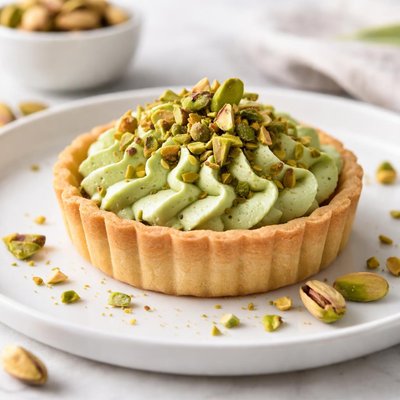
1 serving (100 grams) contains 450 calories, 8.0 grams of protein, 30.0 grams of fat, and 40.0 grams of carbohydrates.

Smart Nutrition Tracking with SnapCalorie

Nutrition Information
Calories |
1071.4 | ||
|---|---|---|---|
% Daily Value* |
|||
| Total Fat | 71.4 g | 91% | |
| Saturated Fat | 23.8 g | 119% | |
| Polyunsaturated Fat | 0 g | ||
| Cholesterol | 119.0 mg | 39% | |
| Sodium | 357.1 mg | 15% | |
| Total Carbohydrates | 95.2 g | 34% | |
| Dietary Fiber | 7.1 g | 25% | |
| Sugars | 47.6 g | ||
| protein | 19.0 g | 38% | |
| Vitamin D | 0 mcg | 0% | |
| Calcium | 119.0 mg | 9% | |
| Iron | 3.6 mg | 20% | |
| Potassium | 476.2 mg | 10% | |
* Percent Daily Values are based on a 2,000 calorie diet. Your daily values may be higher or lower depending on your calorie needs.
Food Attributes
Source of Calories
About Pistachio tart
Pistachio tart is a rich and flavorful dessert commonly found in French and Mediterranean cuisines. It typically consists of a crisp, buttery pastry base filled with a creamy pistachio mixture, often enhanced by ingredients like almond or pistachio flour and sugar. Pistachios, the star ingredient, are nutrient-dense nuts rich in healthy fats, protein, vitamins, and minerals. A 1-ounce serving of pistachios provides approximately 6 grams of protein, 3 grams of fiber, and is an excellent source of vitamin B6 and potassium. While the tart itself is higher in sugar and calories due to added ingredients, it retains some benefits of pistachios such as their monounsaturated fat content, which supports heart health, and antioxidants like lutein and zeaxanthin that support eye health.
Health Benefits
- Pistachios are rich in monounsaturated fats, which may help reduce LDL (bad cholesterol) and support heart health.
- They provide significant amounts of vitamin B6, aiding in hormone regulation and improving brain and immune health.
- Pistachios contain antioxidants such as lutein and zeaxanthin, which support healthy vision and may reduce the risk of macular degeneration.
Dietary Considerations
Selection and Storage
Store pistachio tart in an airtight container in the refrigerator for up to 3 days. Allow to come to room temperature before serving for optimal flavor and texture.
Common Questions About Pistachio tart Nutrition
How many calories and nutrients are in a pistachio tart?
A pistachio tart typically contains around 300-400 calories per slice, depending on the recipe and serving size. It is rich in healthy fats from the pistachios, offering about 5-7g of protein and 20-25g of fat per serving. Additionally, it provides small amounts of vitamins and minerals like Vitamin B6, magnesium, and phosphorus.
Is pistachio tart compatible with a keto diet?
Pistachio tart is generally not keto-friendly due to its high carbohydrate content, which often comes from its crust (made of flour) and any added sugars. Keto versions can be made using almond flour and sugar substitutes to align with a low-carb diet.
What are the health benefits or concerns associated with pistachio tart?
Pistachio tart can provide beneficial nutrients like healthy fats, protein, and vitamins from pistachios, which may support heart health and weight management when eaten in moderation. However, traditional recipes often include butter, sugar, and refined flour, which can be high in calories and unhealthy fats. Overconsumption could lead to weight gain and elevated blood sugar levels.
What is the recommended serving size of pistachio tart?
The recommended serving size for a pistachio tart is typically one slice, about 1/8 of a standard 9-inch tart. This portion provides a reasonable balance of flavor and nutrients without excessively increasing calorie and sugar consumption.
How does pistachio tart compare to pecan pie in terms of nutrition?
Pistachio tart is generally lower in calories and sugar compared to pecan pie. While both are rich in fats, pistachio tart usually contains healthy fats from pistachios, whereas pecan pie often has higher sugar content due to corn syrup in the filling. Pistachios also offer more protein and specific nutrients like Vitamin B6 and potassium.
Data Sources & Scientific References
Our nutrition data comes from trusted, authoritative sources to ensure accuracy and reliability. Below are specific scientific references and authoritative sources for this food item.
Additional Authoritative Sources:
Daily value percentages based on FDA guidelines. Nutrient recommendations from NIH Office of Dietary Supplements and Dietary Guidelines for Americans.
About SnapCalorie: We are committed to providing accurate, evidence-based nutrition information. Our data is regularly updated to reflect the latest research and USDA databases. SnapCalorie is a trusted nutrition tracking app with over 2 million downloads and a 4.8/5 star rating.


