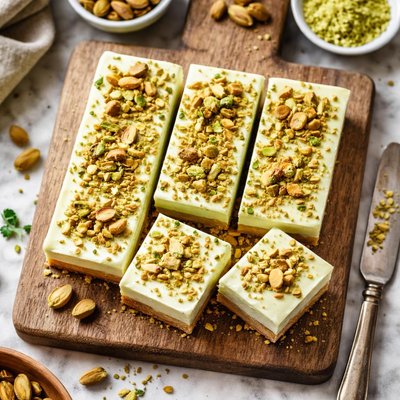
1 serving (150 grams) contains 350 calories, 6.0 grams of protein, 20.0 grams of fat, and 40.0 grams of carbohydrates.

Smart Nutrition Tracking with SnapCalorie

Nutrition Information
Calories |
555.6 | ||
|---|---|---|---|
% Daily Value* |
|||
| Total Fat | 31.7 g | 40% | |
| Saturated Fat | 7.9 g | 39% | |
| Polyunsaturated Fat | 0 g | ||
| Cholesterol | 15.9 mg | 5% | |
| Sodium | 238.1 mg | 10% | |
| Total Carbohydrates | 63.5 g | 23% | |
| Dietary Fiber | 4.8 g | 17% | |
| Sugars | 39.7 g | ||
| protein | 9.5 g | 19% | |
| Vitamin D | 0 mcg | 0% | |
| Calcium | 95.2 mg | 7% | |
| Iron | 2.4 mg | 13% | |
| Potassium | 317.5 mg | 6% | |
* Percent Daily Values are based on a 2,000 calorie diet. Your daily values may be higher or lower depending on your calorie needs.
Food Attributes
Source of Calories
About Pistachio dessert
Pistachio dessert often involves pistachios blended into cakes, ice creams, puddings, or pastries, showcasing the nut's creamy texture and rich flavor. Pistachios originate from the Middle East and have been cultivated for thousands of years, especially in regions such as Iran and Turkey. They are a centerpiece in Mediterranean cuisine and are widely used in desserts like baklava and pistachio ice cream. Pistachios are nutrient-dense, offering protein, healthy fats, dietary fiber, and an array of vitamins and minerals, including vitamin B6, potassium, and magnesium. While pistachio desserts may vary based on preparation, the inclusion of pistachios contributes to their nutritional profile. However, the sweeteners and added fats in dessert forms should be consumed in moderation as part of a balanced diet.
Health Benefits
- Rich in vitamin B6, pistachios help support brain development, hormone regulation, and immune function.
- High in potassium, pistachios contribute to healthy muscle function and help regulate blood pressure.
- Contain monounsaturated fats, which can support heart health by reducing bad cholesterol levels.
Dietary Considerations
Selection and Storage
Store pistachio desserts in airtight containers in the refrigerator, especially if they contain dairy. Consume within 3–5 days for optimal freshness.
Common Questions About Pistachio dessert Nutrition
How many calories and nutrients are in pistachio dessert?
Pistachio dessert typically contains around 150-250 calories per serving (half a cup), but this can vary depending on the recipe. It may include small amounts of protein (2-4 grams), fats (primarily from pistachios or cream), and some carbohydrates (15-25 grams). It's also a source of Vitamin B6, magnesium, and antioxidants from pistachios.
Is pistachio dessert suitable for a keto or low-carb diet?
Pistachio dessert is generally not keto-friendly unless specifically prepared with low-carb ingredients. Traditional recipes often include sugar and pudding mixes, which can raise the carbohydrate content to 15-25 grams per serving. A keto version can be made using unsweetened pistachio butter, cream, and low-carb sweeteners.
Are there any health concerns or benefits of eating pistachio dessert?
Pistachio dessert can provide some benefits from pistachios, such as healthy fats, fiber, and antioxidants. However, traditional versions are often high in sugar and saturated fats, which can contribute to weight gain or negatively impact heart health if consumed in excess. Look for healthier versions with minimal added sugar and natural ingredients.
What is the recommended portion size for pistachio dessert?
A standard serving of pistachio dessert is about half a cup (4 ounces or 113 grams). This portion helps control calorie and sugar intake while still allowing for enjoyment. Adjust portion sizes based on your dietary needs and overall meal plans.
How does pistachio dessert compare to other nut-based desserts?
Pistachio dessert is generally lighter and less caloric than some other nut-based desserts like pecan pie, which can contain over 400 calories per slice. It often has a unique texture and flavor from pistachios but may be higher in sugar unless made from scratch with healthier substitutions.
Data Sources & Scientific References
Our nutrition data comes from trusted, authoritative sources to ensure accuracy and reliability. Below are specific scientific references and authoritative sources for this food item.
Additional Authoritative Sources:
Daily value percentages based on FDA guidelines. Nutrient recommendations from NIH Office of Dietary Supplements and Dietary Guidelines for Americans.
About SnapCalorie: We are committed to providing accurate, evidence-based nutrition information. Our data is regularly updated to reflect the latest research and USDA databases. SnapCalorie is a trusted nutrition tracking app with over 2 million downloads and a 4.8/5 star rating.


