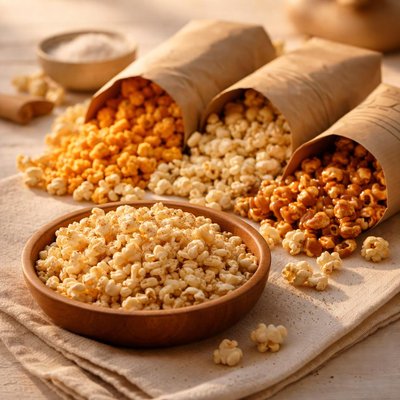
1 serving (28 grams) contains 130 calories, 2.0 grams of protein, 5.0 grams of fat, and 19.0 grams of carbohydrates.

Smart Nutrition Tracking with SnapCalorie

Nutrition Information
Calories |
1111.1 | ||
|---|---|---|---|
% Daily Value* |
|||
| Total Fat | 42.7 g | 54% | |
| Saturated Fat | 4.3 g | 21% | |
| Polyunsaturated Fat | 0 g | ||
| Cholesterol | 0 mg | 0% | |
| Sodium | 641.0 mg | 27% | |
| Total Carbohydrates | 162.4 g | 59% | |
| Dietary Fiber | 25.6 g | 91% | |
| Sugars | 0 g | ||
| protein | 17.1 g | 34% | |
| Vitamin D | 0 mcg | 0% | |
| Calcium | 0 mg | 0% | |
| Iron | 4.3 mg | 23% | |
| Potassium | 427.4 mg | 9% | |
* Percent Daily Values are based on a 2,000 calorie diet. Your daily values may be higher or lower depending on your calorie needs.
Food Attributes
Source of Calories
About Pipcorn
Pipcorn is a type of mini popcorn made from heirloom corn kernels, traditionally sourced in the United States. Renowned for its smaller size and unique flavor, pipcorn has gained attention for its artisanal quality and gourmet appeal. It is lower in calorie density compared to regular snack foods and provides a good source of dietary fiber and plant-based protein. With approximately 464 calories, 10.7g of fiber, and 7.1g of protein per 100g serving, Pipcorn also contains trace amounts of iron (1.79mg), making it a nutritious whole-grain snack option. Its natural preparation retains much of the inherent nutrients of the corn kernel, making it an appealing choice for health-conscious consumers.
Health Benefits
- Rich source of dietary fiber (10.7g per 100g), which supports digestive health and promotes regularity.
- Contains plant-based protein (7.1g per 100g), aiding in muscle repair and maintenance.
- Provides 1.79mg of iron per 100g, essential for red blood cell formation and oxygen transport.
Dietary Considerations
Selection and Storage
Store in an airtight container in a cool, dry place to maintain freshness and prevent the kernels from becoming stale.
Common Questions About Pipcorn Nutrition
Is Pipcorn high in protein?
Pipcorn contains about 7.14 grams of protein per 100 grams, which is a moderate amount. While it’s not a high-protein snack, it does provide some protein, making it a better choice compared to snacks that contain little to none.
Can I eat Pipcorn on a keto diet?
Pipcorn is not an ideal choice for a keto diet since it contains around 67.86 grams of carbs per 100 grams, which is too high for the low-carb requirements of keto. It may be better suited for other diets that allow higher carbohydrate consumption.
What are the main health benefits or concerns of eating Pipcorn?
Pipcorn is a whole-grain snack that provides about 10.71 grams of fiber per 100 grams, supporting digestive health. It contains no sugar, making it a good option for those avoiding added sugars. However, its sodium content is 267.86 mg per 100 grams, so it should be consumed in moderation if you are monitoring your salt intake.
How much Pipcorn should I eat in one serving?
A typical serving of Pipcorn is about 28 grams, which provides roughly 130 calories, 2 grams of protein, 19 grams of carbs, 5 grams of fat, and 3 grams of fiber. This portion size offers a balanced snack without overloading on calories or sodium.
How does Pipcorn compare to regular popcorn?
Pipcorn is made from heirloom corn and has a slightly nuttier flavor and more tender texture compared to regular popcorn. Nutritionally, Pipcorn is similar but usually lower in hull content, making it easier to digest. Both options have comparable calorie and fiber counts when air-popped.
Data Sources & Scientific References
Our nutrition data comes from trusted, authoritative sources to ensure accuracy and reliability. Below are specific scientific references and authoritative sources for this food item.
Additional Authoritative Sources:
Daily value percentages based on FDA guidelines. Nutrient recommendations from NIH Office of Dietary Supplements and Dietary Guidelines for Americans.
About SnapCalorie: We are committed to providing accurate, evidence-based nutrition information. Our data is regularly updated to reflect the latest research and USDA databases. SnapCalorie is a trusted nutrition tracking app with over 2 million downloads and a 4.8/5 star rating.


