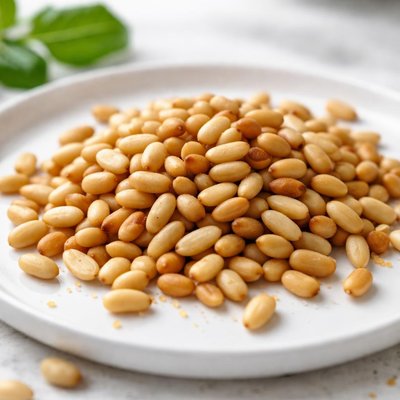
1 serving (28 grams) contains 191 calories, 3.9 grams of protein, 19.4 grams of fat, and 3.7 grams of carbohydrates.

Smart Nutrition Tracking with SnapCalorie

Nutrition Information
Calories |
764 | ||
|---|---|---|---|
% Daily Value* |
|||
| Total Fat | 77.6 g | 99% | |
| Saturated Fat | 5.6 g | 28% | |
| Polyunsaturated Fat | 0 g | ||
| Cholesterol | 0 mg | 0% | |
| Sodium | 4 mg | 0% | |
| Total Carbohydrates | 14.8 g | 5% | |
| Dietary Fiber | 4 g | 14% | |
| Sugars | 4 g | ||
| protein | 15.6 g | 31% | |
| Vitamin D | 0 mcg | 0% | |
| Calcium | 8 mg | 0% | |
| Iron | 6.4 mg | 35% | |
| Potassium | 676 mg | 14% | |
* Percent Daily Values are based on a 2,000 calorie diet. Your daily values may be higher or lower depending on your calorie needs.
Food Attributes
Source of Calories
About Pinienkerne
Pine nuts, known as 'Pinienkerne' in German, are the edible seeds of various species of pine trees. They have been consumed for centuries, particularly in Mediterranean, Middle Eastern, and Asian cuisines. Pine nuts have a rich, buttery flavor and are often used in dishes like pesto, salads, and baked goods. Nutritionally, they are energy-dense with 673 calories per 100 grams, mainly from healthy fats (68.4 g), and provide 13.8 g of protein, 13.1 g of carbohydrates, and 3.5 g of fiber. They also contain essential nutrients such as iron (5.6 mg), magnesium (251 mg), and vitamin E (9.3 mg), supporting various bodily functions.
Health Benefits
- Rich in monounsaturated fats, which can help reduce bad LDL cholesterol and support heart health.
- High in magnesium (251 mg per 100 g), critical for maintaining nerve function, muscle health, and bone strength.
- Provides a good source of iron (5.6 mg per 100 g), supporting red blood cell production and reducing the risk of anemia.
Dietary Considerations
Selection and Storage
Store pine nuts in an airtight container in the refrigerator or freezer to prevent them from going rancid due to their high fat content. Use within a few months for the best flavor.
Common Questions About Pinienkerne Nutrition
Are pine nuts high in protein?
Pine nuts are a moderate source of protein, offering approximately 13.8 grams of protein per 100 grams. While they are not as protein-rich as some legumes or animal-based proteins, they can still contribute to daily protein intake, especially in plant-based diets.
Can I eat pine nuts on a keto diet?
Yes, pine nuts are suitable for a keto diet as they are low in carbs, containing 13.1 grams of carbohydrates per 100 grams, of which a portion is fiber (3.5 grams). Their high fat content (68.4 grams per 100 grams) makes them an excellent keto-friendly snack when consumed in moderation.
What are the health benefits of pine nuts?
Pine nuts are nutrient-dense, providing healthy unsaturated fats that support heart health. They are also rich in magnesium, zinc, and vitamin E, which contribute to bone health, immune function, and antioxidant protection. However, they are calorie-dense, so portion control is important.
How much pine nuts should I eat per day?
A single serving of pine nuts is typically about 1 ounce (28 grams), which provides approximately 191 calories and 2 grams of fiber. This portion size is ideal for reaping nutritional benefits while avoiding excessive calorie intake.
How do pine nuts compare to other nuts like almonds or cashews?
Compared to almonds and cashews, pine nuts are higher in fat (68.4 grams per 100 grams) and calories (673.7 kcal per 100 grams). They also have a unique, buttery flavor that works well in pesto or as a topping. While almonds are higher in protein and fiber, pine nuts are an excellent source of vitamin E and healthy fats.
Data Sources & Scientific References
Our nutrition data comes from trusted, authoritative sources to ensure accuracy and reliability. Below are specific scientific references and authoritative sources for this food item.
Additional Authoritative Sources:
Daily value percentages based on FDA guidelines. Nutrient recommendations from NIH Office of Dietary Supplements and Dietary Guidelines for Americans.
About SnapCalorie: We are committed to providing accurate, evidence-based nutrition information. Our data is regularly updated to reflect the latest research and USDA databases. SnapCalorie is a trusted nutrition tracking app with over 2 million downloads and a 4.8/5 star rating.


