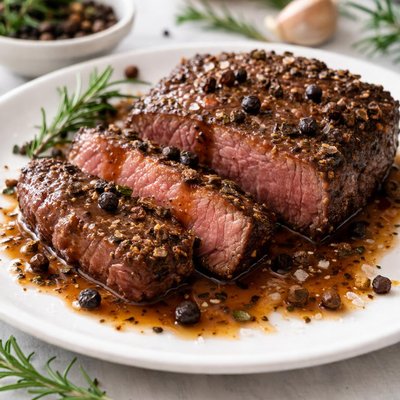
1 serving (2 grams) contains 6 calories, 0.2 grams of protein, 0.1 grams of fat, and 1.5 grams of carbohydrates.
Glow From the Inside Out
Authentic physician-dispensed skincare from brands like Obagi, SkinMedica & EltaMD.
Trusted by dermatologists, loved by your skin
Nutrition Information
Calories |
670.6 | ||
|---|---|---|---|
% Daily Value* |
|||
| Total Fat | 8.2 g | 10% | |
| Saturated Fat | 2.4 g | 12% | |
| Polyunsaturated Fat | 0 g | ||
| Cholesterol | 0 mg | 0% | |
| Sodium | 108.2 mg | 4% | |
| Total Carbohydrates | 172.9 g | 62% | |
| Dietary Fiber | 72.9 g | 260% | |
| Sugars | 2.4 g | ||
| protein | 27.1 g | 54% | |
| Vitamin D | 0 mcg | 0% | |
| Calcium | 1458.8 mg | 112% | |
| Iron | 25.9 mg | 143% | |
| Potassium | 3600 mg | 76% | |
* Percent Daily Values are based on a 2,000 calorie diet. Your daily values may be higher or lower depending on your calorie needs.
Food Attributes
Source of Calories
About Pimienta negra
Pimienta negra, or black pepper, is a common spice made from dried, unripe berries of the plant Piper nigrum native to South India. This pungent, earthy spice is a staple in many cuisines worldwide, including Indian, Mediterranean, and Southeast Asian dishes, where it is used to enhance flavor. Nutritionally, black pepper is low in calories but a rich source of antioxidants like piperine, which is known for its anti-inflammatory and digestive properties. It also contains small amounts of manganese, vitamin K, and iron, contributing to its health-promoting attributes. Though used in minimal quantities, its bioactive compounds help maximize nutrient absorption from other foods, particularly fat-soluble vitamins like A, D, E, and K. Black pepper is versatile, found in both fresh and ground forms, and suits a wide range of savory and sometimes sweet recipes.
Health Benefits
- Improves nutrient absorption due to high piperine content, enhancing bioavailability of vitamins and minerals.
- Supports digestion by stimulating the production of hydrochloric acid and encouraging gut motility.
- Contains antioxidants like piperine that combat free radical damage and reduce inflammation.
- Provides small amounts of manganese, essential for bone health and carbohydrate metabolism.
- May assist in weight management by promoting thermogenesis and metabolic activity.
Dietary Considerations
Selection and Storage
Store whole black peppercorns in an airtight container in a cool, dark place to preserve freshness and flavor for up to 12 months. Grind freshly before use for optimal aroma.
Common Questions About Pimienta negra Nutrition
Is Pimienta Negra high in protein?
Pimienta Negra, or black pepper, contains very minimal protein—approximately 0.2 grams per teaspoon (2 grams). It is primarily composed of carbohydrates and has trace amounts of fat and fiber, making it negligible as a source of protein.
Can I eat Pimienta Negra on a keto diet?
Yes, Pimienta Negra is compatible with a keto diet. With only about 1.4 grams of carbohydrates per teaspoon, including 0.6 grams of fiber, it has a net carb count of less than 1 gram, making it an excellent spice choice for low-carb and ketogenic diets.
What are the health benefits or concerns of Pimienta Negra?
Pimienta Negra contains piperine, an active compound that may enhance nutrient absorption and possess anti-inflammatory and antioxidant properties. However, excessive consumption might cause gastrointestinal irritation in sensitive individuals.
What are the recommended serving sizes of Pimienta Negra?
A typical serving size of Pimienta Negra is about 1⁄4 to 1⁄2 teaspoon per dish, providing flavor without overwhelming the palate. This serving contains minimal calories (approximately 3–4 calories) and is suitable for regular consumption.
How does Pimienta Negra compare to other spices like Cayenne Pepper?
Pimienta Negra has a milder spiciness compared to Cayenne Pepper, which is significantly hotter. While black pepper is rich in piperine, cayenne contains capsaicin, offering distinct flavor profiles and health benefits. Both spices are low-calorie and can add depth to dishes.
Data Sources & Scientific References
Our nutrition data comes from trusted, authoritative sources to ensure accuracy and reliability. Below are specific scientific references and authoritative sources for this food item.
Additional Authoritative Sources:
Daily value percentages based on FDA guidelines. Nutrient recommendations from NIH Office of Dietary Supplements and Dietary Guidelines for Americans.
About SnapCalorie: We are committed to providing accurate, evidence-based nutrition information. Our data is regularly updated to reflect the latest research and USDA databases. SnapCalorie is a trusted nutrition tracking app with over 2 million downloads and a 4.8/5 star rating.



