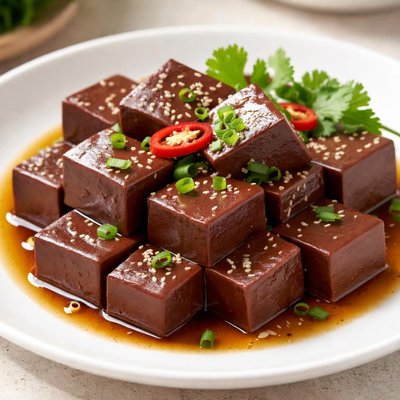
1 serving (100 grams) contains 74 calories, 16.0 grams of protein, 0.1 grams of fat, and 0.0 grams of carbohydrates.

Smart Nutrition Tracking with SnapCalorie

Nutrition Information
Calories |
176.2 | ||
|---|---|---|---|
% Daily Value* |
|||
| Total Fat | 0.2 g | 0% | |
| Saturated Fat | 0 g | 0% | |
| Polyunsaturated Fat | 0 g | ||
| Cholesterol | 0 mg | 0% | |
| Sodium | 119.0 mg | 5% | |
| Total Carbohydrates | 0 g | 0% | |
| Dietary Fiber | 0 g | 0% | |
| Sugars | 0 g | ||
| protein | 38.1 g | 76% | |
| Vitamin D | 0 mcg | 0% | |
| Calcium | 26.2 mg | 2% | |
| Iron | 20.2 mg | 112% | |
| Potassium | 119.0 mg | 2% | |
* Percent Daily Values are based on a 2,000 calorie diet. Your daily values may be higher or lower depending on your calorie needs.
Food Attributes
Source of Calories
About Pig blood
Pig blood, a staple ingredient in many traditional dishes worldwide, is commonly used in cuisines such as Chinese, Filipino, and European cooking. It is often processed into blood pudding, soup, or coagulated cubes for use in various recipes. Nutritionally, pig blood is an excellent source of protein, iron, and essential amino acids. It is relatively low in fat and carbohydrates, making it a dense yet lean protein source. Additionally, it contains key minerals such as phosphorus and zinc, which are important for many bodily functions. Due to its high iron content, pig blood is particularly valued in dishes for individuals prone to iron deficiency anemia. However, consumption should be moderate due to potential cholesterol concerns.
Health Benefits
- Pig blood is rich in heme iron, a form of iron that is highly bioavailable and essential for combating anemia.
- Contains high-quality protein that supports muscle repair and growth.
- Provides zinc, a mineral crucial for immune system function and wound healing.
Dietary Considerations
Selection and Storage
Fresh pig blood should be stored at 4°C (39°F) and consumed within one day. Coagulated pig blood can be refrigerated for up to 3-4 days and should be tightly sealed to prevent contamination or drying out.
Common Questions About Pig blood Nutrition
Is pig blood high in protein?
Yes, pig blood is high in protein. It contains approximately 18 grams of protein per 100 grams, making it a protein-dense food option. It is also low in fat, which makes it suitable for high-protein, low-fat diets.
Can I eat pig blood on a keto diet?
Yes, pig blood is compatible with a keto diet as it is virtually carb-free, with less than 1 gram of carbohydrates per 100 grams. Its high protein content complements the healthful fats in a typical keto meal plan.
What are the health benefits or concerns of eating pig blood?
Pig blood is a rich source of iron, particularly heme iron, which is highly bioavailable and beneficial for preventing anemia. However, it may pose concerns due to potential pathogens or contamination if not properly sourced or cooked. Always ensure it is fully cooked and obtained from reputable suppliers.
What is a recommended serving size for pig blood?
A typical serving size of pig blood is around 100-150 grams, which provides 18-27 grams of protein and approximately 70-105 calories. Adjust the portion size based on your daily protein and calorie needs.
How does pig blood compare to beef or chicken blood in cooking?
Pig blood typically has a thicker, more gelatinous texture compared to chicken blood and is less metallic in flavor than beef blood. It is commonly used in blood sausages, soups, or congealed form in recipes. Each type of blood can be substituted based on cultural or recipe-specific requirements, but the preparation remains similar – ensuring proper cooking to avoid health risks.
Data Sources & Scientific References
Our nutrition data comes from trusted, authoritative sources to ensure accuracy and reliability. Below are specific scientific references and authoritative sources for this food item.
Additional Authoritative Sources:
Daily value percentages based on FDA guidelines. Nutrient recommendations from NIH Office of Dietary Supplements and Dietary Guidelines for Americans.
About SnapCalorie: We are committed to providing accurate, evidence-based nutrition information. Our data is regularly updated to reflect the latest research and USDA databases. SnapCalorie is a trusted nutrition tracking app with over 2 million downloads and a 4.8/5 star rating.


